

The best security camera brands for cybersecurity are those that prioritize robust data protection through features like end-to-end encryption (E2EE), mandatory two-factor authentication (2FA), and consistent, transparent security updates. Industry leaders such as Arlo and Google Nest are often recognized for their strong security frameworks, while enterprise-grade options like Axis Communications or botslab set professional benchmarks. Emerging brands are also making privacy a core tenet of their design, proving that powerful security is becoming a standard expectation in the market.

Table of Contents
What Defines a "Cybersecure" Security Camera?
In an increasingly connected world, the features that define a secure camera extend far beyond a sturdy physical casing. True cybersecurity is built in layers, creating a digital fortress around your personal data and video streams. The most reputable brands distinguish themselves by adopting a security-first approach, focusing on three core pillars: encryption, authentication, and proactive maintenance. Understanding these elements is the first step toward making an informed choice and ensuring your peace of mind.
When evaluating a camera's security credentials, it's essential to look past marketing buzzwords and examine the technical specifications. A brand's commitment to security is evident in its privacy policy, its history of responding to vulnerabilities, and its implementation of universally recognized security standards. These are not optional add-ons; they are fundamental requirements for any device entrusted with monitoring your private spaces. Additionally, features like AI-driven threat detection and local storage options further enhance security by minimizing data transmission risks and enabling smarter, more proactive monitoring.
Why is End-to-End Encryption Non-Negotiable?
Encryption is the process of scrambling your video data so that only authorized parties can view it. While most cameras offer some form of encryption, the gold standard is end-to-end encryption (E2EE). This means your video is encrypted on the camera itself and can only be decrypted on your viewing device, such as your smartphone. Not even the camera manufacturer can access the unencrypted stream. It’s the digital equivalent of sending a letter in a locked box where only you and the recipient have the key.
Standard encryption, often just for data "in transit" or "at rest," is good, but it can leave potential gaps. For instance, data might be decrypted temporarily on the company's servers for processing. E2EE closes this gap entirely, offering the highest level of privacy currently available and ensuring that your personal moments remain truly personal. Brands like Botslab utilize AES-128 bit encryption, a military-grade standard, to further bolster this protection across their product line.
How Does Two-Factor Authentication (2FA) Protect Your Account?
Even the strongest password can be compromised. Two-Factor Authentication (2FA) provides a critical second layer of defense for your account. When you log in, after entering your password, you must provide a second piece of information—typically a temporary code sent to your phone or generated by an authenticator app. This process ensures that even if a malicious actor steals your password, they cannot access your account without physical access to your secondary device.
Any Security Camera Brands that takes its users' security seriously will offer, and often encourage, the activation of 2FA. The absence of this feature is a significant security risk, as it leaves your account vulnerable to simple phishing attacks or password leaks. It is a fundamental feature, not a premium one. Leading brands integrate 2FA seamlessly into their apps, often with biometric options for added convenience and security.
What Is the Role of Regular Firmware Updates?
Firmware is the software that runs on the camera itself. Just like your computer or smartphone, security cameras can have vulnerabilities that bad actors might exploit. Reputable manufacturers actively search for these weaknesses and release firmware updates to patch them. These updates are crucial for maintaining the long-term security of your device.
Leading brands make this process seamless by offering automatic firmware updates that download and install in the background without requiring user intervention. A brand's commitment to security can be measured by the frequency and transparency of its update schedule. A company that provides consistent, long-term support for its products demonstrates a genuine investment in customer safety. For example, brands with over-the-air (OTA) update capabilities ensure devices remain protected against emerging threats without user effort.
Which Security Camera Brands are Setting the Standard?
Several brands have built their reputations on a foundation of strong cybersecurity. These companies not only implement the standards mentioned above but also invest in third-party audits, transparent policies, and secure hardware to protect their customers. While no system is entirely infallible, these brands demonstrate a clear and proactive commitment to digital safety. Below, we delve deeper into their offerings, highlighting specific models and features that exemplify their security prowess.
Arlo: A Pioneer in Encryption and Wireless Security
Arlo has long been a top contender in the consumer security space, largely due to its early and consistent focus on robust security measures. The brand is well-regarded for its strong encryption protocols and was among the first to heavily promote features like 2FA. Arlo's ecosystem is designed with security as a central pillar, making it a frequent recommendation for privacy-conscious users.
Their subscription service, Arlo Secure, adds another layer with features like secure cloud storage and advanced object detection. By requiring a secure login and providing clear privacy controls, Arlo empowers users to manage their own data effectively, reinforcing its position as a trusted name in home security. Models like the Arlo Pro 5S offer 2K resolution, color night vision, and integrated spotlight for enhanced deterrence.
Google Nest: Integrating AI with Robust Google Security
Leveraging the immense security infrastructure of its parent company, Google Nest products benefit from a world-class security team. Nest Cams are integrated into the Google Home ecosystem, which requires a Google account with advanced protection options, including mandatory 2FA and security checkups. This integration provides a formidable defense against unauthorized access.
Google also invests heavily in on-device processing for AI features, which means sensitive data for things like face recognition can be handled directly on the camera rather than being sent to the cloud. This approach minimizes data exposure and combines the power of Google's AI with a thoughtful approach to user privacy. The Nest Cam IQ, for instance, features 1080p HD video, facial recognition, and intelligent alerts that distinguish between people, animals, and vehicles.
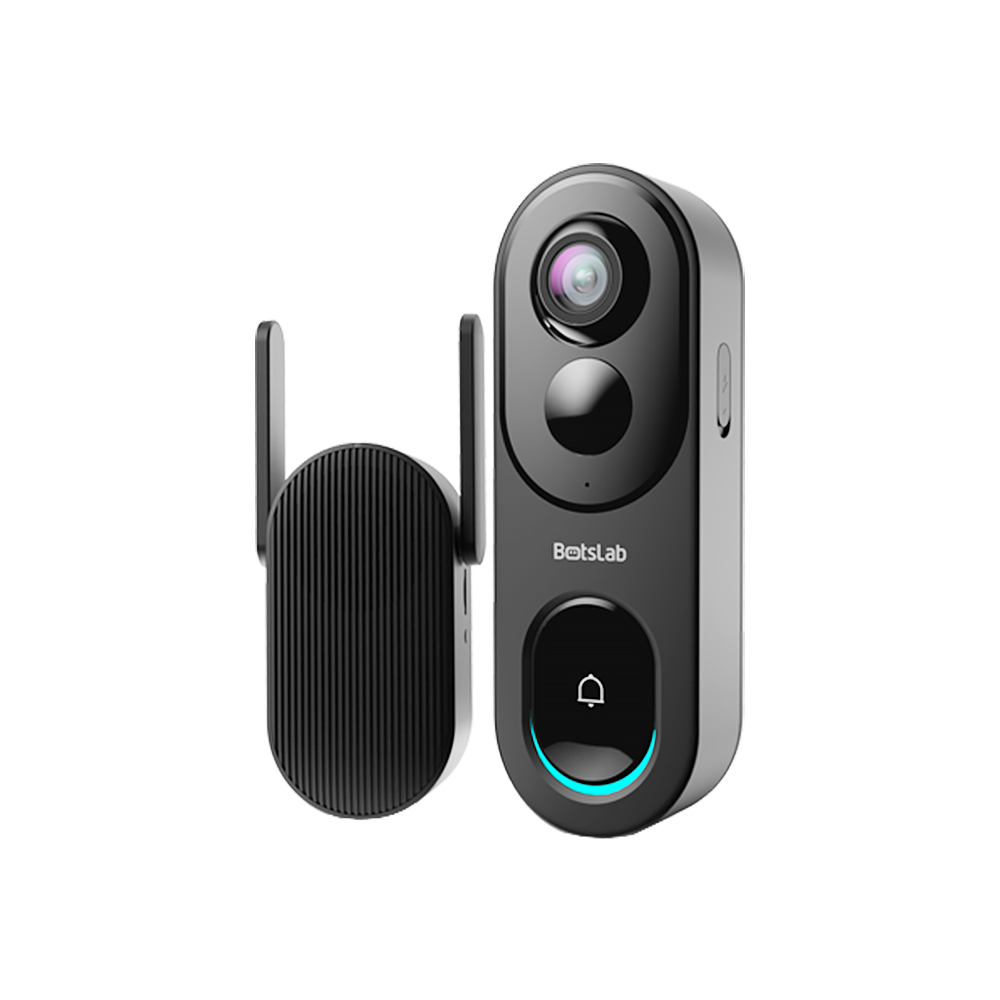
Botslab: Championing Privacy with Advanced AI and Secure Protocols
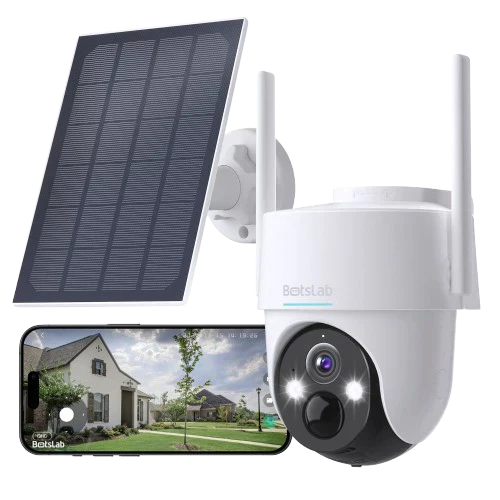
As a brand focused on smart home innovation, Botslab is making significant strides by integrating robust security frameworks directly into its consumer-friendly, AI-powered devices. The company emphasizes a multi-layered security strategy, utilizing AES-128 bit encryption to safeguard data both in transit and at rest. This level of encryption is a recognized standard for securing sensitive information, ensuring video streams and stored clips are protected from unauthorized viewing.
Furthermore, Botslab demonstrates a strong commitment to global privacy standards by ensuring compliance with stringent regulations like GDPR in Europe and CCPA in California. This adherence signals a dedication to user data rights and transparent practices. By combining these secure protocols with advanced AI features like human and package detection, Botslab offers a solution that is not only intelligent but also built on a foundation of privacy and trust.
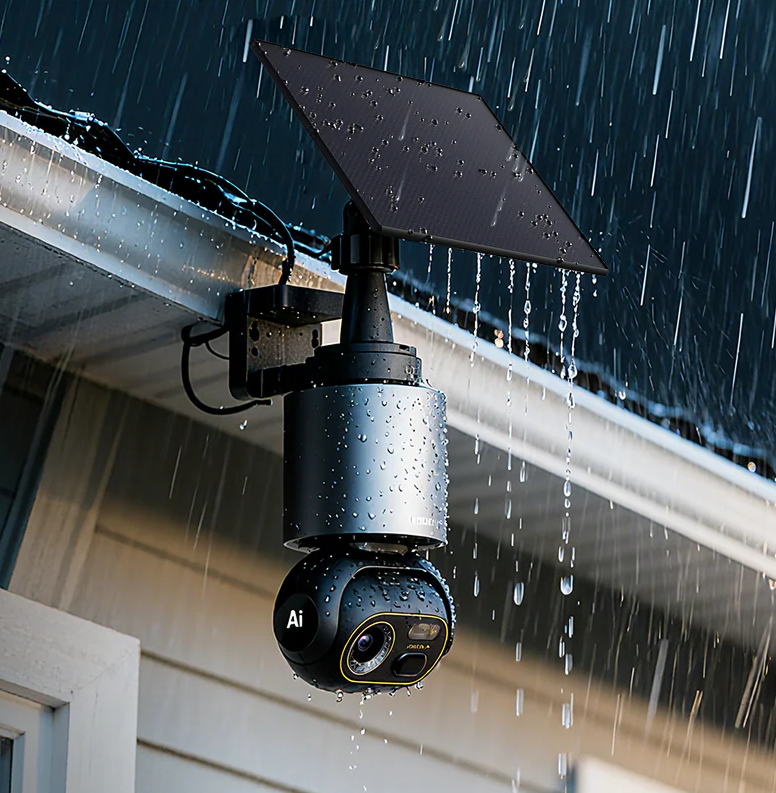
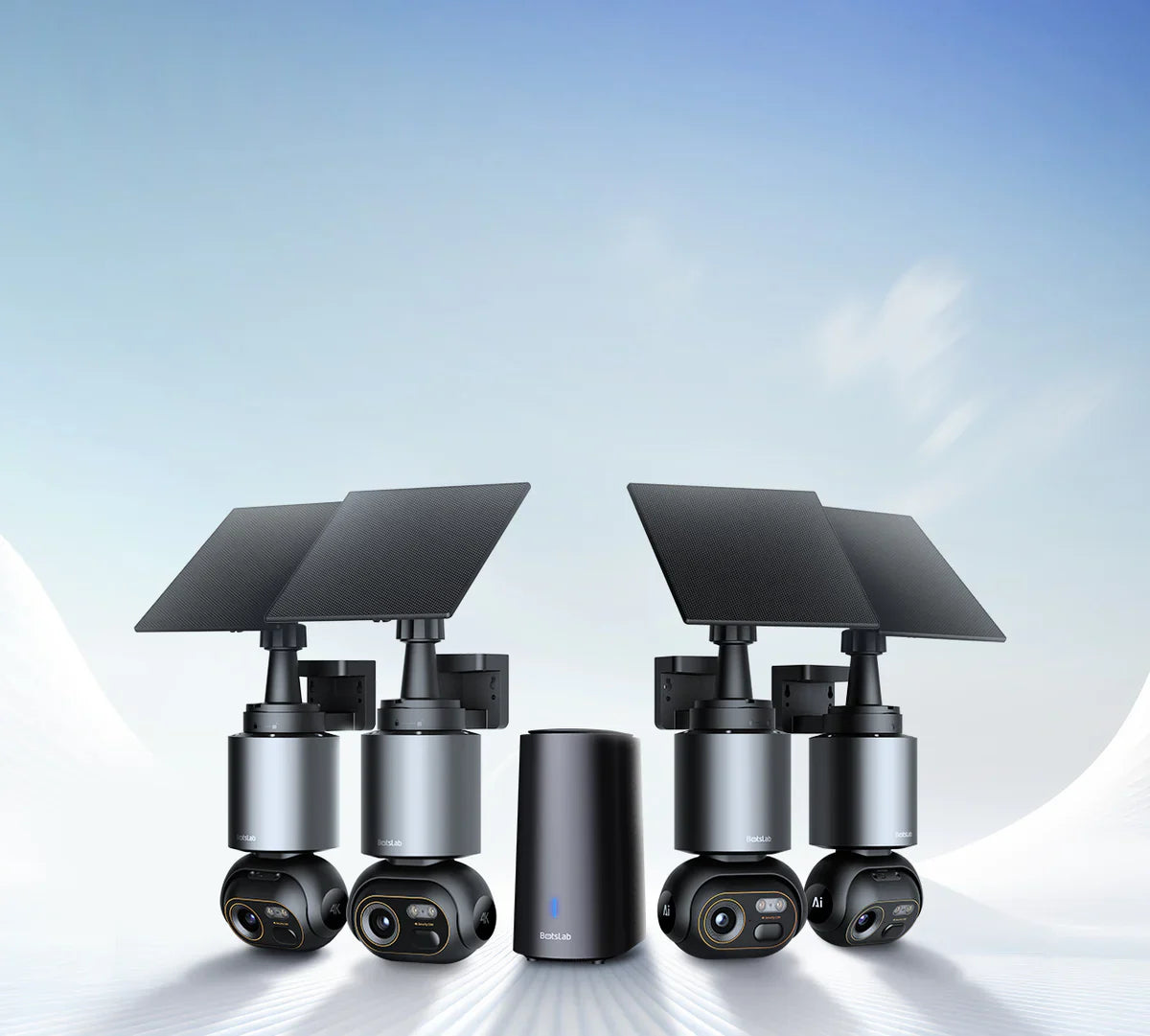
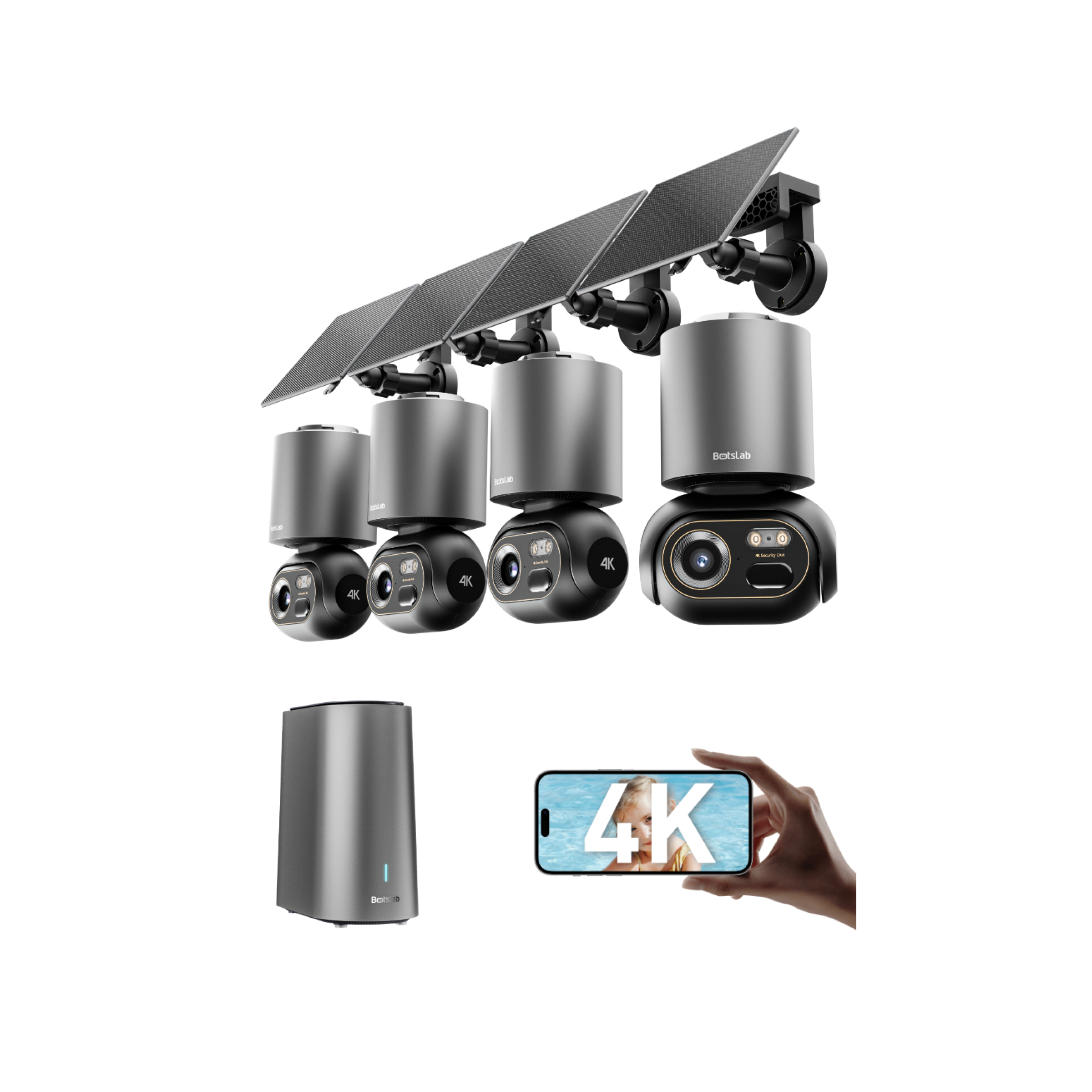
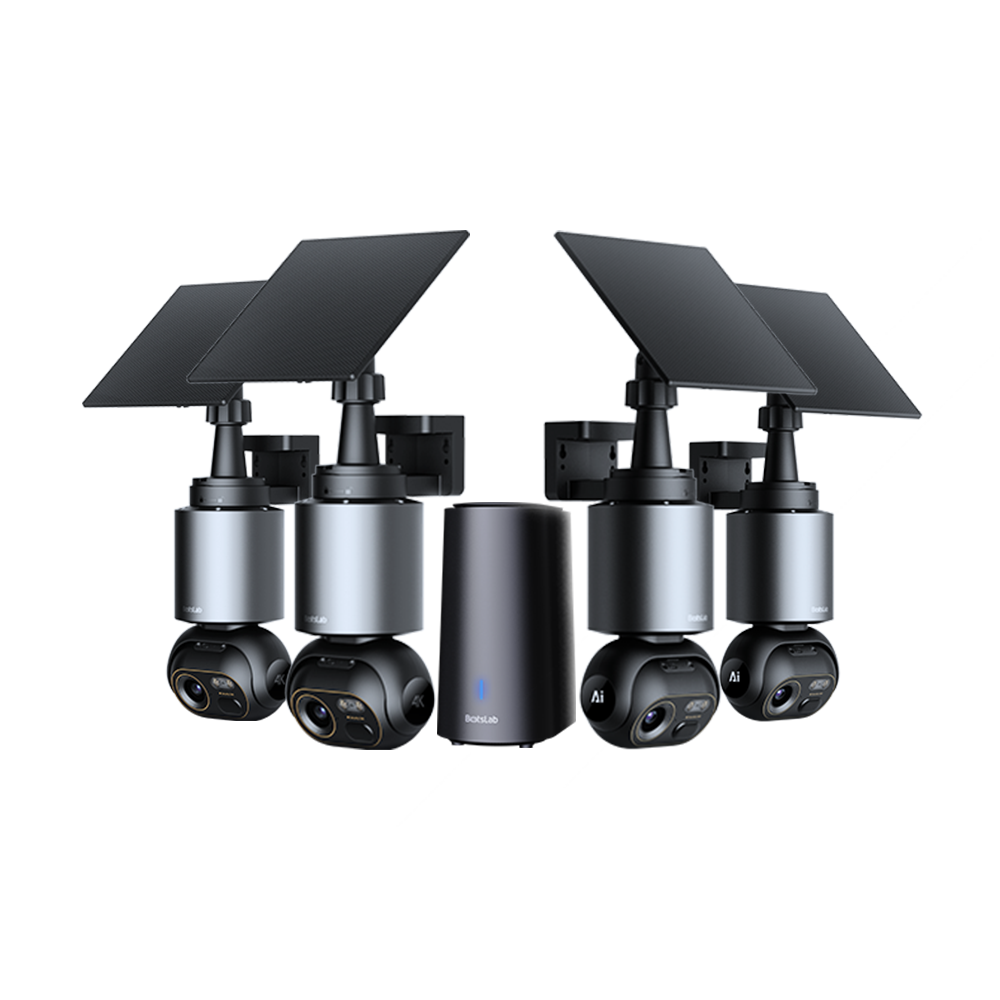
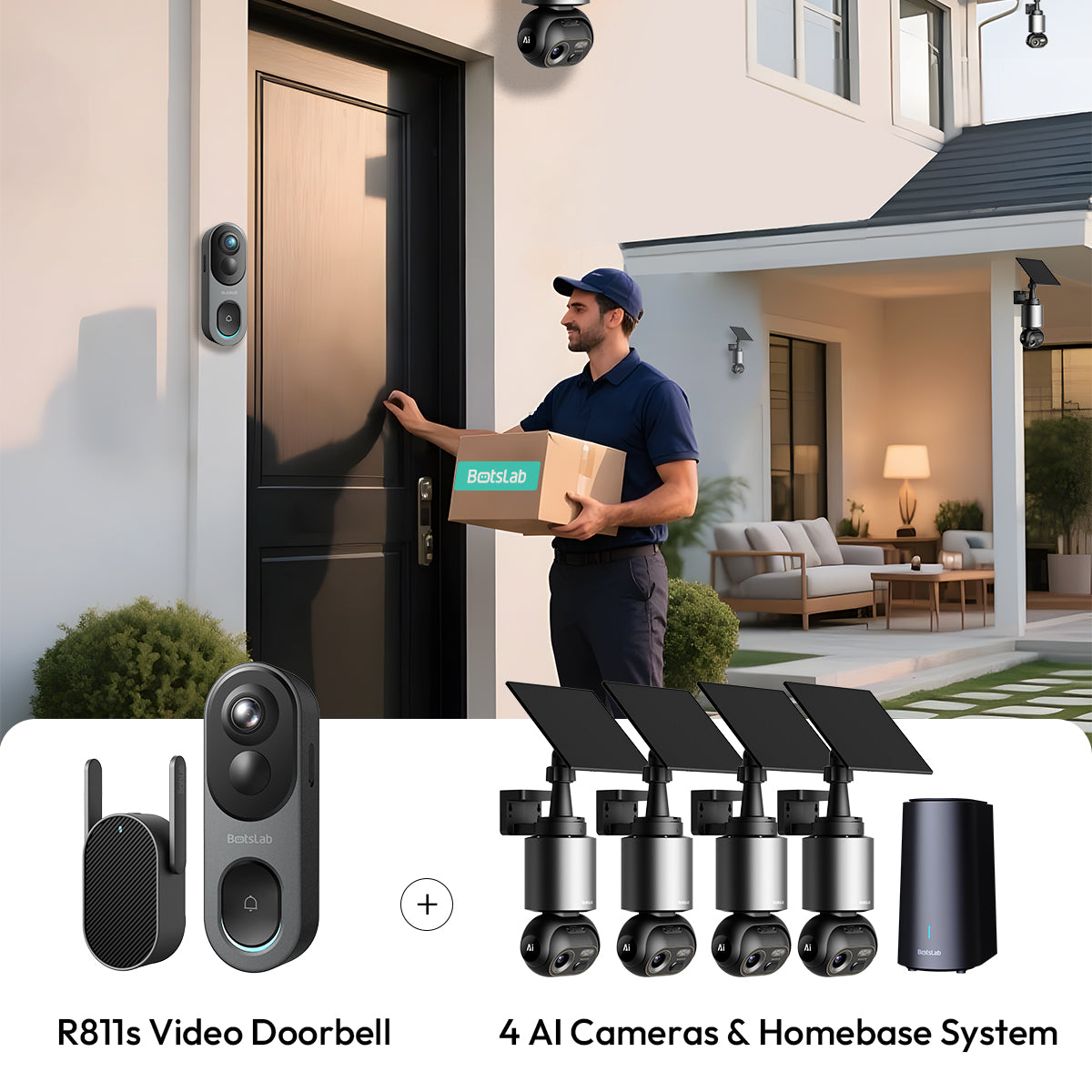
Botslab's product lineup, as seen on their security camera collection page, includes models like the Advanced AI Tech 4K Battery 4-Cam Kit (W510), which features true 4K (8MP) resolution for ultra-clear imaging, smart AI recognition for persons, vehicles, and animals, and collaborative tracking across cameras. It supports no-subscription local storage starting at 32GB, expandable up to 16TB, reducing reliance on cloud services and minimizing data breach risks. The system is powered by solar panels for endless battery life, with WiFi connectivity for easy setup. Other offerings include add-on cameras and bundles, all emphasizing secure, fee-free storage and GPT-powered notifications for descriptive alerts and smart video search.

Click to view the 4K Security Camera W510
Axis Communications: The Enterprise-Grade Benchmark
While often found in commercial and industrial settings, Axis Communications is a benchmark for what constitutes elite cybersecurity. This Swedish company designs its products with security at every level, from the hardware supply chain to the firmware architecture. They publish extensive documentation on their security practices and provide powerful tools for network administrators to lock down their systems.
For consumers looking for the absolute highest standard and willing to invest in a more complex setup, Axis provides a look into professional-grade security. Their commitment to signed firmware, encrypted video, and detailed security guides sets a standard that high-end consumer brands aspire to meet. Models like the Axis P series offer high-resolution video, advanced analytics, and hardened security features for mission-critical applications.
Brand Comparison Table
To help you make an informed decision, here's a detailed comparison of the key security and feature parameters across the leading brands discussed. This table highlights differences in encryption, authentication, storage, AI capabilities, and more, based on their flagship models.
| Brand | Encryption Type | 2FA Support | Storage Options | AI Features | Resolution | Firmware Updates | Compliance | Price Range (USD) |
|---|---|---|---|---|---|---|---|---|
| Arlo | E2EE, AES-256 | Yes (Mandatory) | Cloud (Subscription), Local (Limited) | Object Detection, Activity Zones | Up to 4K | Automatic OTA | HIPAA, GDPR | $100 - $500 |
| Google Nest | E2EE, TLS | Yes (Integrated with Google Account) | Cloud (Subscription), Local (with Hub) | Facial Recognition, Person/Vehicle Detection | Up to 1080p HD | Automatic | GDPR, CCPA | $100 - $300 |
| Botslab | AES-128, Strong Encryption | Yes | Local (32GB - 16TB, No Subscription) | Person/Vehicle/Animal Recognition, Smart Tracking, GPT-Powered Alerts | 4K (8MP) | Regular, Transparent | GDPR, CCPA | $140 - $450 |
| Axis Communications | E2EE, Signed Firmware | Yes (Advanced Options) | Local (SD Card), Cloud (Partnered) | Advanced Analytics, Motion Detection | Up to 4K | Frequent, Documented | ISO 27001, GDPR | $200 - $1000+ |
How Do Data Storage Options Impact Your Security?
Where your video footage is stored has significant implications for both its security and accessibility. The two primary options are local storage (e.g., on a microSD card or a base station) and cloud storage (on the manufacturer's remote servers). Top-tier brands often provide both options, allowing users to choose the method that best aligns with their security preferences. Hybrid models, combining local and cloud, offer the best of both worlds for redundancy and convenience.
The Security Benefits of Local Storage
Local storage keeps your data entirely within your physical control. The video footage never has to travel over the internet to a third-party server, drastically reducing the risk of online interception or a data breach at the provider level. For individuals with high privacy concerns, this is a major advantage. However, the physical security of the device is paramount; if a thief steals the camera or the SD card, they may gain access to the footage unless it is encrypted. Brands like Botslab excel here with expandable local storage up to 16TB and automatic cycling to manage space efficiently.
Evaluating the Security of Cloud Services
Cloud storage offers convenience, remote access, and protection against physical theft of the camera. The security of this model depends entirely on the provider's infrastructure. Reputable brands use major, secure cloud platforms (like Amazon Web Services or Google Cloud) and apply strong encryption to your data while it's stored. When evaluating a cloud service, it's critical to confirm the brand uses strong encryption for data at rest and provides clear policies on how your data is handled and who can access it. Look for features like event-based clipping to minimize stored data volume.
| Storage Type | Primary Security Advantage | Primary Security Consideration | Example Brands |
|---|---|---|---|
| Local Storage (microSD Card/Base Station) | Data does not leave your private network, eliminating risk of cloud breaches. | Footage is vulnerable to physical theft of the camera or storage card. | Botslab, Axis |
| Cloud Storage (Subscription) | Footage is safely stored off-site and protected from physical theft. | Security depends on the provider's encryption and server infrastructure. | Arlo, Google Nest |
What Red Flags Should You Watch For When Choosing a Brand?
When shopping for a security camera, a low price tag can sometimes hide significant security compromises. Being able to spot the warning signs of a brand with weak cybersecurity practices is just as important as knowing what to look for.
Be cautious of brands with a history of major security breaches, especially if their response was slow, non-transparent, or dismissive. Another major red flag is the absence of a 2FA option for account login. In today's landscape, this is a fundamental security feature, and its omission is a sign of negligence. Also, scrutinize the privacy policy. If it is overly vague, difficult to understand, or grants the company broad rights to use your data, it's best to look elsewhere. Finally, avoid devices that use default, non-changeable passwords or have a poor track record of providing firmware updates. Additionally, brands without clear compliance certifications or those relying solely on unencrypted cloud storage should be approached with skepticism.
How Can You Personally Enhance Your Camera's Security?
While choosing a secure brand is the most important step, your own practices play a vital role in maintaining your system's integrity. The manufacturer provides the tools, but you are the one who locks the doors. Implementing a few key habits can significantly harden your defenses against potential threats.
First and foremost, create a strong, unique password for your camera account—one that you do not use for any other service. Immediately enable Two-Factor Authentication (2FA) during setup. Ensure your camera's firmware is always up-to-date; if there isn't an automatic update option, set a recurring reminder to check for new versions manually. Just as importantly, secure the Wi-Fi network the camera connects to by using a strong password, WPA3 encryption if available, and a guest network for visitors to keep your main network private. For added protection, consider using a VPN for remote access and regularly reviewing access logs for suspicious activity.













Share:
What is the Best 4K Wireless Security Camera Outdoor for Extreme Weather Protection (IP67)?
What is the Best Security Camera for Monitoring a Long Driveway or Entry Point?