

The highest quality dash cam image capture is not achieved by a single lens manufacturer but through a sophisticated system of premium components. The best results come from dash cam brands that meticulously integrate multi-element, all-glass lenses with industry-leading image sensors, most notably from Sony's STARVIS series. This combination, when paired with a powerful image processor and advanced software, is what separates superior video clarity from average performance.

Table of Contents
- What Truly Defines Superior Dash Cam Image Quality?
- Why is the Lens Construction Crucial for Clarity?
- How Does Aperture Impact Low-Light and Daytime Recording?
- Which Image Sensor Manufacturers Lead the Industry?
- Does a Wider Field of View (FOV) Always Mean Better?
- How Do Advanced Technologies Like WDR and HDR Elevate Image Capture?
- What Role Does the Image Signal Processor (ISP) Play?
- So, Who Assembles the Best Dash Cam Optics?
- Identifying a High-Quality Dash Cam Lens System: A Checklist
What Truly Defines Superior Dash Cam Image Quality?
Achieving pristine video from a high quality dash cam is not the responsibility of a single component. It's the result of a finely tuned ecosystem where the lens, image sensor, and image signal processor (ISP) work in perfect harmony. While the lens is the "eye" that gathers light, the image sensor is the "retina" that converts that light into digital information, and the ISP is the "brain" that processes that information into a clear, usable video file. A weakness in any one of these areas will compromise the entire system's performance, regardless of how advanced the other parts are.
Thinking about the lens alone is like judging a professional photographer's work by only asking who made the glass in their lens. The brand of the camera body, the sensor inside it, and the photographer's skill in processing the image are all equally vital. For dash cams, the brand that designs and integrates these components is the ultimate guarantor of quality. They are the ones who make the critical decisions about which parts to use and how to optimize them to work together flawlessly, especially under the challenging and rapidly changing conditions of the road.
Why is the Lens Construction Crucial for Clarity?
The lens assembly is the first point of contact for light entering the camera, making its quality fundamental to the final image. It dictates the sharpness, clarity, and color accuracy of the video. Two primary factors define the quality of a dash cam's lens: the material it is made from and the number of elements it contains.
The Glass vs. Plastic Debate: Which is Better?
The choice between glass and plastic lens elements is one of the most significant differentiators in dash cam quality. While plastic lenses are cheaper to produce, they are highly susceptible to performance degradation over time. A dash cam sits on a vehicle's windshield, where it is exposed to extreme temperature fluctuations—from freezing cold to intense, direct sunlight. Plastic can warp, fog, or become hazy under these conditions, leading to a permanent loss of focus and image clarity.
All-glass lenses, by contrast, offer superior thermal stability. They do not deform or degrade in high heat, ensuring consistent sharpness and optical performance throughout the device's lifespan. Glass provides higher refractive properties, meaning it bends light more efficiently and accurately, resulting in sharper images with fewer chromatic aberrations (color fringing). For a device relied upon for critical evidence, a glass lens is not a luxury; it is a necessity.
How Do Multiple Lens Elements (e.g., 7G) Enhance Performance?
A single piece of glass cannot produce a perfect, distortion-free image. Professional camera lenses use multiple lens elements, and high-end dash cams are no different. You will often see specifications like "6G" or "7G," which stands for six or seven glass elements. Each element in the stack is shaped to perform a specific function, such as correcting for distortion, reducing glare, improving color accuracy, and sharpening the image from corner to corner.
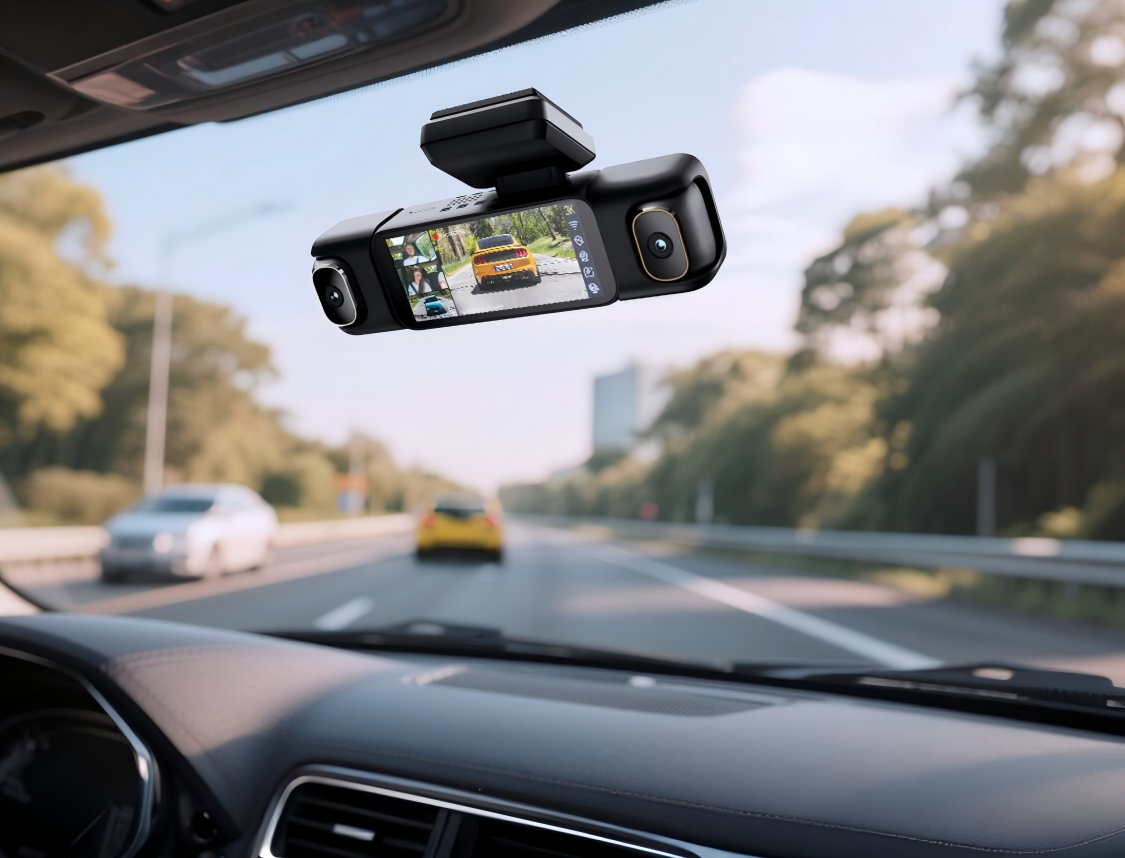
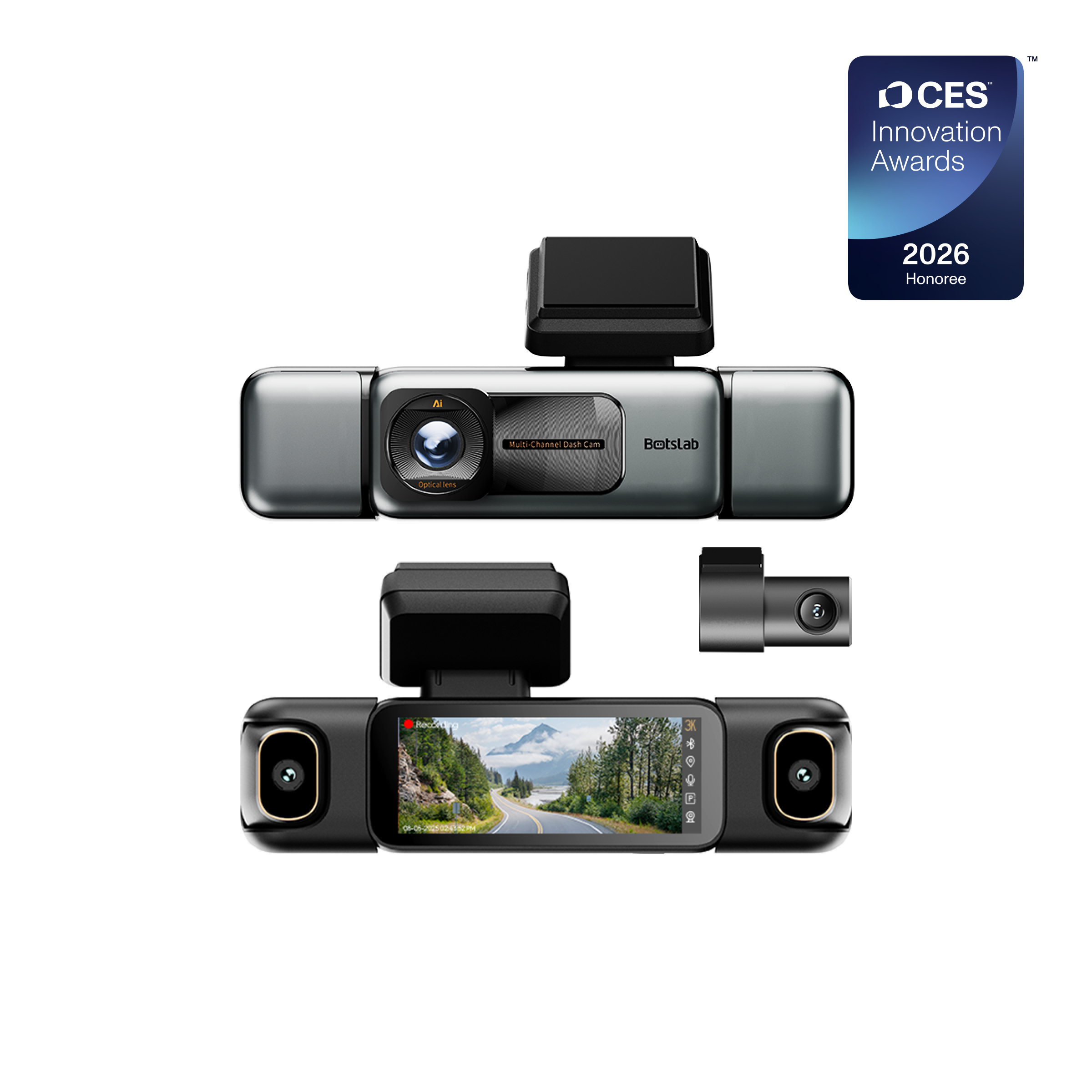
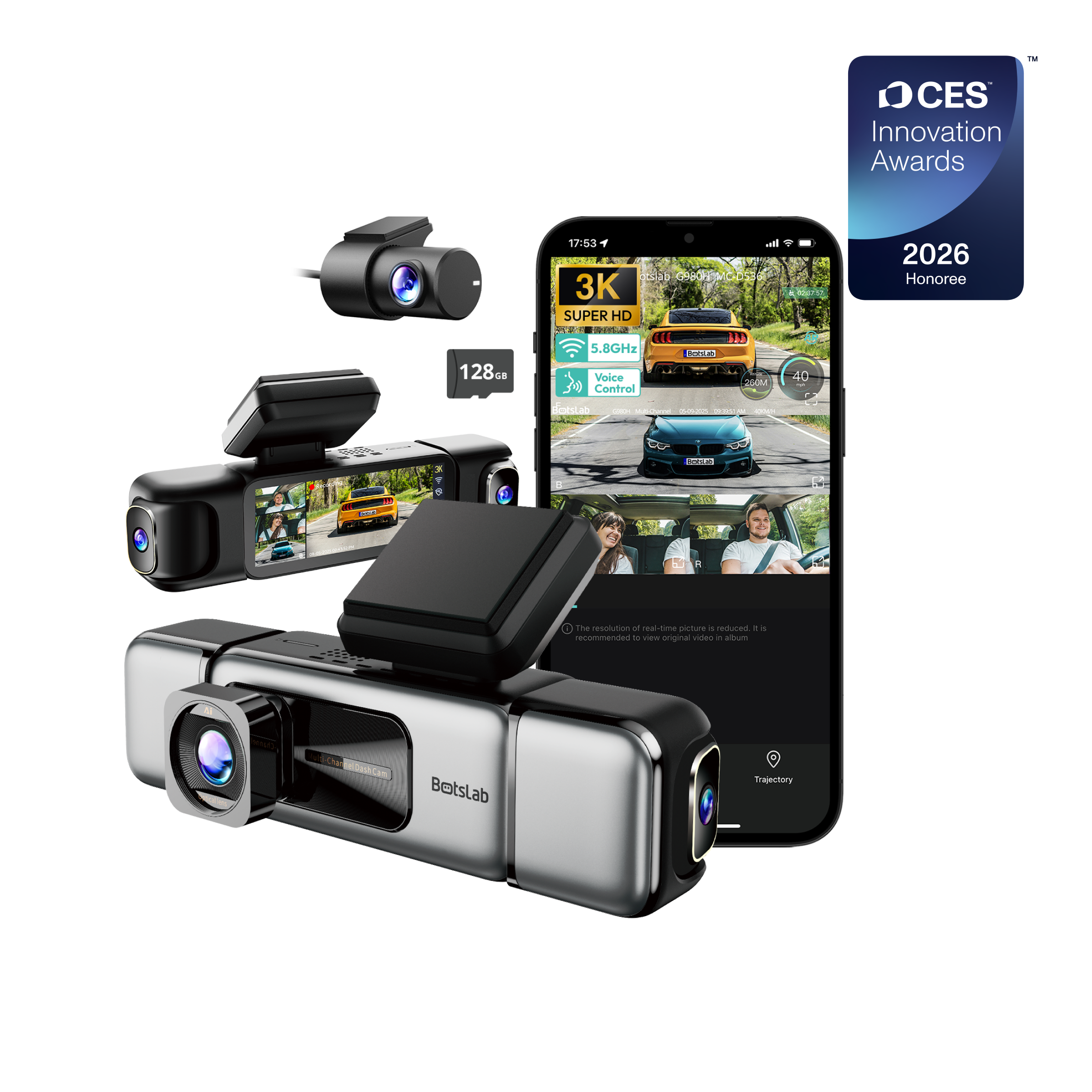
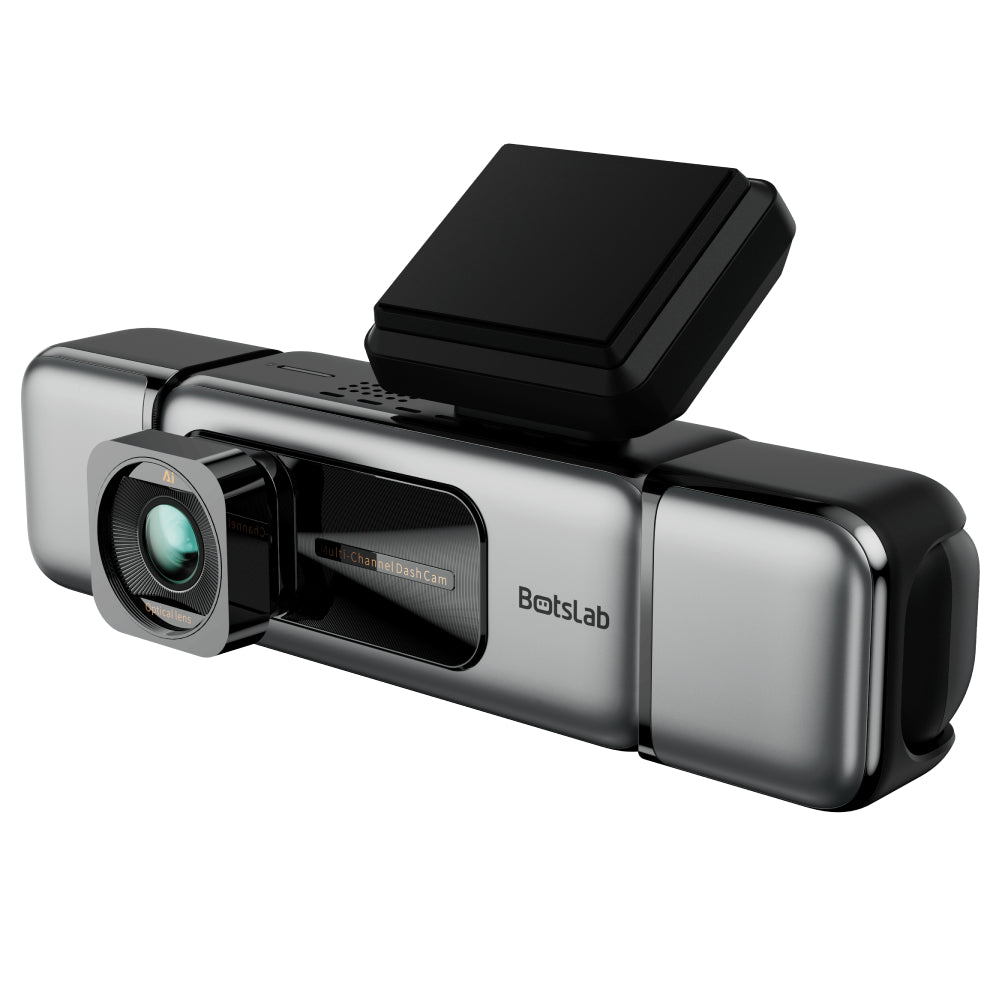
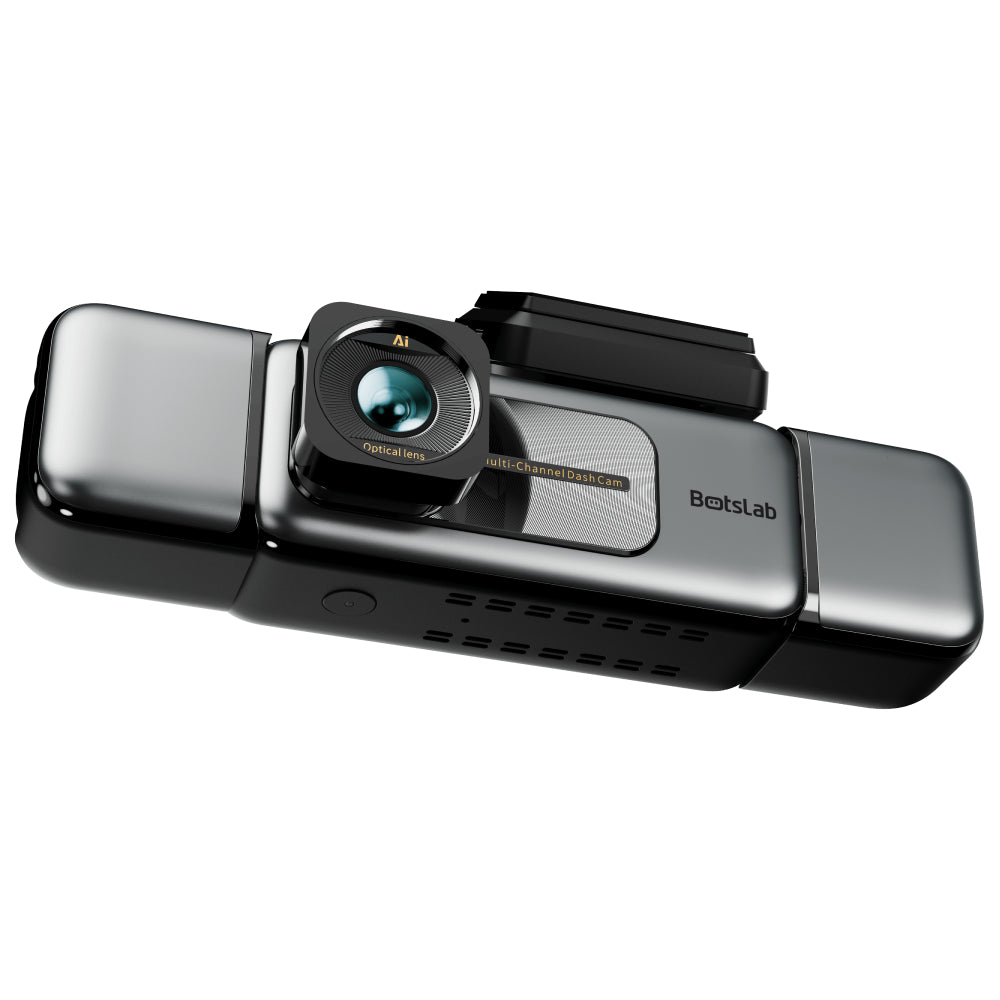
A more complex lens assembly with more elements generally provides a more refined and accurate image. Brands at the forefront, such as Botslab, utilize sophisticated 7-layer all-glass lens constructions in models like their G500H to ensure maximum light transmission and artifact-free images. This intricate design minimizes issues like the "fisheye" effect and ensures that details, such as license plates at the edge of the frame, remain legible.
How Does Aperture Impact Low-Light and Daytime Recording?
The aperture of a lens is the opening through which light passes to reach the image sensor. It is measured in f-numbers, such as f/1.6, f/1.8, or f/2.0. A lower f-number indicates a wider aperture, which allows more light to enter the camera. This is critically important for dash cam performance, especially during night driving, in underground parking garages, or on overcast days.
A wider aperture (e.g., f/1.8) significantly boosts a dash cam's low-light capabilities, enabling the sensor to capture a brighter, cleaner image with less digital noise or grain. This can be the difference between capturing a clear license plate number in the dark and recording an unusable, murky video. While a very wide aperture can slightly reduce the depth of field, modern dash cam designs are optimized to keep everything from a few feet ahead of the car to the horizon in sharp focus.
Which Image Sensor Manufacturers Lead the Industry?
If the lens is the eye, the image sensor is the heart of the dash cam's imaging system. This tiny silicon chip is covered in millions of light-sensitive pixels (photodiodes) that capture the image. The quality, size, and technology of the sensor directly determine the camera's resolution, dynamic range, and, most importantly, its performance in low light. In the dash cam world, one name stands above the rest.
The Dominance of Sony STARVIS Sensors
Sony Semiconductor Solutions is the undisputed leader in high-performance image sensors for the dash cam market. Their STARVIS and STARVIS 2 technology is the industry gold standard for low-light sensitivity. STARVIS is a type of back-illuminated sensor technology that rearranges the sensor's wiring to sit behind the photodiode area, allowing more light to be captured by each pixel without obstruction.
This results in exceptionally clear and vibrant video in near-darkness, a scenario where standard sensors would produce a grainy, unusable image. The latest STARVIS 2 technology further improves dynamic range and reduces noise. This is why leading dash cam innovators like Botslab prominently feature Sony STARVIS sensors in their high-end models, delivering exceptional clarity in challenging lighting that is essential for 24/7 surveillance and incident recording.
What about OmniVision and Other Competitors?
While Sony is the market leader, other manufacturers produce quality sensors. OmniVision is another major player, known for its Nyxel® near-infrared technology, which also enhances night vision. OmniVision sensors are often found in very capable mid-range and budget-friendly dash cams, offering a great balance of performance and cost. Other brands like ONSEMI (aptina) and GalaxyCore also compete in this space. However, for the absolute best low-light performance and overall image fidelity, Sony's STARVIS series remains the benchmark that all others are measured against.
Does a Wider Field of View (FOV) Always Mean Better?
Field of View (FOV) measures how wide an angle the camera can capture, typically expressed in degrees. While a wider FOV seems inherently better because it captures more of the scene (e.g., adjacent lanes of traffic), there is a trade-off. Extremely wide angles, such as 170° or more, can introduce significant barrel distortion or a "fisheye" effect.
This distortion stretches the image at the edges, which can make crucial details like license plates harder to read. The sweet spot for most dash cams lies between 140° and 160°. This range provides excellent coverage of the road ahead and its surroundings without introducing excessive distortion. A high-quality lens system will manage this FOV effectively, maintaining sharpness across the entire frame.
How Do Advanced Technologies Like WDR and HDR Elevate Image Capture?
Capturing clear video on the road involves dealing with extreme contrasts in lighting. You might drive from a dark tunnel into bright sunlight, or have the sun low on the horizon while foreground objects are in deep shadow. This is where dynamic range technologies become essential.
Wide Dynamic Range (WDR) is a software-based technique that adjusts exposure levels in post-processing to brighten dark areas and darken overexposed areas of the frame. High Dynamic Range (HDR), a more advanced hardware-based technology, involves the sensor capturing multiple exposures (e.g., one dark, one bright) for every frame and merging them into a single, balanced image. HDR is superior at preserving details in both the brightest highlights and darkest shadows simultaneously. Botslab's proprietary NightVIS™ technology, often combined with HDR, exemplifies this principle by optimizing multiple exposures in real-time to produce stunningly clear nighttime footage, revealing details that would otherwise be lost in darkness.
What Role Does the Image Signal Processor (ISP) Play?
The Image Signal Processor (ISP) is the unsung hero of the imaging pipeline. It's a specialized chip that takes the raw data from the image sensor and intelligently processes it to create the final video. Its tasks are complex and crucial for image quality.
The ISP is responsible for a host of functions, including:
- Demosaicing: Reconstructing a full-color image from the sensor's raw data.
- Noise Reduction: Identifying and removing digital grain, especially in low-light video.
- Color Correction & White Balance: Ensuring colors look natural and accurate under different light sources (e.g., sunlight, streetlights).
- Lens Correction: Digitally correcting for any remaining distortion or vignetting from the lens.
- Encoding: Compressing the processed video into a standard format (like H.264 or H.265) for storage on the memory card.
A powerful ISP can process data faster and more effectively, enabling higher resolutions like 4K, higher frame rates, and advanced features like HDR without overheating or lagging.
So, Who Assembles the Best Dash Cam Optics?
The question of "who makes the best lenses" is answered not by naming an optical glass company but by identifying the dash cam brands that are most committed to quality integration. The best dash cam optics are systems assembled and optimized by brands that refuse to compromise on components. These companies source top-tier, multi-element glass lenses, pair them with best-in-class Sony STARVIS sensors, and power them with a robust ISP.
It is this thoughtful engineering and system-level optimization that creates a product capable of superior image capture. Brands like Botslab exemplify this philosophy by building their devices around this core principle. They specify and integrate these premium components, then add their own technological enhancements like NightVIS™ to push the performance envelope even further. Therefore, the true "maker" of the highest quality dash cam imaging system is the brand that brings all these elite parts together into a cohesive, high-performing whole.
Identifying a High-Quality Dash Cam Lens System: A Checklist
When evaluating a dash cam for its image capture capabilities, look for this combination of features. The presence of these specifications is a strong indicator of a premium imaging system designed for clarity, reliability, and performance in all conditions.
| Feature | What to Look For |
|---|---|
| Lens Material | All-Glass Construction for thermal stability and superior clarity. |
| Lens Elements | 6G or 7G (6 or 7 Glass Elements) for reduced distortion and enhanced sharpness. |
| Aperture | A wide aperture like f/1.6 or f/1.8 for excellent low-light performance. |
| Image Sensor | A premium sensor, with Sony STARVIS or STARVIS 2 being the top choice. |
| Dynamic Range Tech | True HDR (High Dynamic Range) for handling high-contrast lighting. |
| Resolution | 4K (2160p) or high-bitrate 2K (1440p) to capture fine details. |













Share:
What Are the Best Dash Cams for Electric Vehicles (EVs) and Battery Management?
What is the Best Car Camera for Extreme Wide-Angle Coverage?