

The best dash cams with built-in Advanced Driver Assistance Systems (ADAS) are models that effectively merge high-definition video recording with intelligent, real-time safety alerts. These systems function as a digital co-pilot, providing crucial warnings like Forward Collision and Lane Departure alerts to enhance driver awareness, mitigate risks, and help prevent potential accidents. They represent a significant step up from standard recording devices, actively contributing to a safer driving experience.

- What Exactly is an Advanced Driver Assistance System (ADAS) in a Dash Cam?
- Which ADAS Features Are Most Common in Modern Dash Cams?
- Why Should You Invest in a Dash Cam with ADAS?
- What Should You Look for When Choosing an ADAS Dash Cam?
- Which are the Leading Dash Cams with ADAS Capabilities?
- How Do You Calibrate ADAS on a Dash Cam for Optimal Performance?
- Can ADAS Features Be Too Sensitive or Distracting?
- Does ADAS Affect a Dash Cam's Recording Performance?
- What is the Future of ADAS in Consumer Dash Cams?
- Is an ADAS Dash Cam Worth the Extra Cost?
What Exactly is an Advanced Driver Assistance System (ADAS) in a Dash Cam?
An Advanced Driver Assistance System, or ADAS, integrated into a dashboard camera transforms the device from a passive recorder into an active safety partner. While many new vehicles come with ADAS built-in, a dash cam with this functionality offers a powerful and affordable way to add a layer of modern safety technology to any car. The system uses the camera's lens and sophisticated image processing algorithms to "see" the road ahead.
Think of it as an ever-vigilant set of eyes that never gets tired or distracted. It constantly analyzes the driving environment, monitoring lane markings, the distance to vehicles ahead, and traffic movement. When it detects a potentially dangerous situation—such as drifting out of your lane or approaching the car in front too quickly—it provides an immediate audible or visual alert, giving you precious extra seconds to react. This proactive approach to safety is what separates ADAS-equipped cameras from standard models.
Which ADAS Features Are Most Common in Modern Dash Cams?
While the umbrella term "ADAS" covers a range of technologies, most high-quality Dash Cams with ADAS offer a core set of features designed to address the most common driving hazards. These functions work in concert to provide comprehensive on-road support.
Forward Collision Warning System (FCWS)
This is arguably one of the most critical ADAS features. The FCWS continuously calculates the distance and relative speed between your vehicle and the one directly in front of you. If you begin to close the distance too rapidly, indicating a high risk of a rear-end collision, the system will issue a warning. It's particularly useful in stop-and-go traffic or on highways where sudden braking is common.
Lane Departure Warning System (LDWS)
The LDWS monitors the painted lane markings on the road. If the system detects that your vehicle is unintentionally drifting into an adjacent lane without a turn signal being activated, it will provide an alert. This is invaluable for preventing accidents caused by driver fatigue, inattention, or distraction, especially during long journeys or monotonous commutes.
Front Vehicle Start Alert (FVSA)
Also known as Front Vehicle Departure Warning (FVDW), this feature is a convenience designed for city and traffic-heavy driving. When you are stopped at a traffic light or in a queue, the system monitors the vehicle in front of you. As soon as that vehicle begins to move forward, the FVSA provides a subtle notification, prompting you to proceed. It helps improve traffic flow and reduces the chance of frustrating drivers behind you.
Why Should You Invest in a Dash Cam with ADAS?
Investing in a dash cam with ADAS is an investment in proactive safety. While all dash cams are useful for recording evidence after an incident, an ADAS-equipped model is designed to help you prevent the incident from happening in the first place. The primary benefit is a significant enhancement of your situational awareness. The alerts serve as immediate reminders to refocus your attention on the road, correct your lane position, or apply the brakes.
This technology also plays a crucial role in mitigating driver fatigue. On long trips, concentration naturally wanes, and a lane departure warning can be the critical nudge needed to prevent a serious accident. Furthermore, by providing an extra layer of support, these systems offer invaluable peace of mind. Knowing you have a digital co-pilot monitoring for common hazards allows you to drive with greater confidence, whether you're navigating a busy urban environment or cruising on the open highway.
What Should You Look for When Choosing an ADAS Dash Cam?
Selecting the right ADAS dash cam involves more than just checking a box for the feature. The effectiveness of the assistance systems is directly tied to the quality of the camera's core components and supporting technology.
Video Resolution: Is 4K a Necessity?
Higher resolution is not just for capturing clearer license plates; it's vital for ADAS accuracy. A camera with 2K or 4K resolution can discern lane markings, vehicles, and pedestrians with much greater precision and from further away than a standard 1080p camera. This is especially true in adverse weather conditions like rain or fog, or during low-light situations at dawn and dusk. A sharper image provides more reliable data for the ADAS processor to analyze, resulting in more accurate and timely warnings.
Night Vision Performance
A significant portion of driving occurs at night, where the risk of accidents is higher. The effectiveness of an ADAS dash cam is severely limited if it has poor low-light performance. Look for cameras that specify advanced night vision technology, such as those with large aperture lenses (e.g., f/1.8 or lower) and superior image sensors. Technologies like Botslab's SuperClear Night Vision are specifically engineered to enhance image brightness and reduce noise, ensuring that ADAS functions remain reliable and effective even in the dark.
GPS Integration
Built-in GPS is a crucial companion to ADAS. A GPS module allows the dash cam to accurately track your vehicle's speed. This data is essential for the Forward Collision Warning System, as it needs to know how fast you are traveling to accurately calculate collision risk. GPS also provides location data, which can be vital for emergency services, and geotags your video footage for a complete record of your journey.
Ease of Use and App Integration
A complex system is one that won't be used to its full potential. A top-tier ADAS dash cam should feature a user-friendly interface and a well-designed companion mobile app. The app should allow for easy initial setup and calibration of the ADAS features, as well as the ability to customize the sensitivity of alerts. This ensures you can tailor the system's behavior to your personal driving style and typical road conditions.
Which are the Leading Dash Cams with ADAS Capabilities?
The market offers several excellent choices for drivers seeking the safety benefits of ADAS. Performance often comes down to a combination of sensor quality, processing power, and software refinement. Here are a few top contenders in different categories.
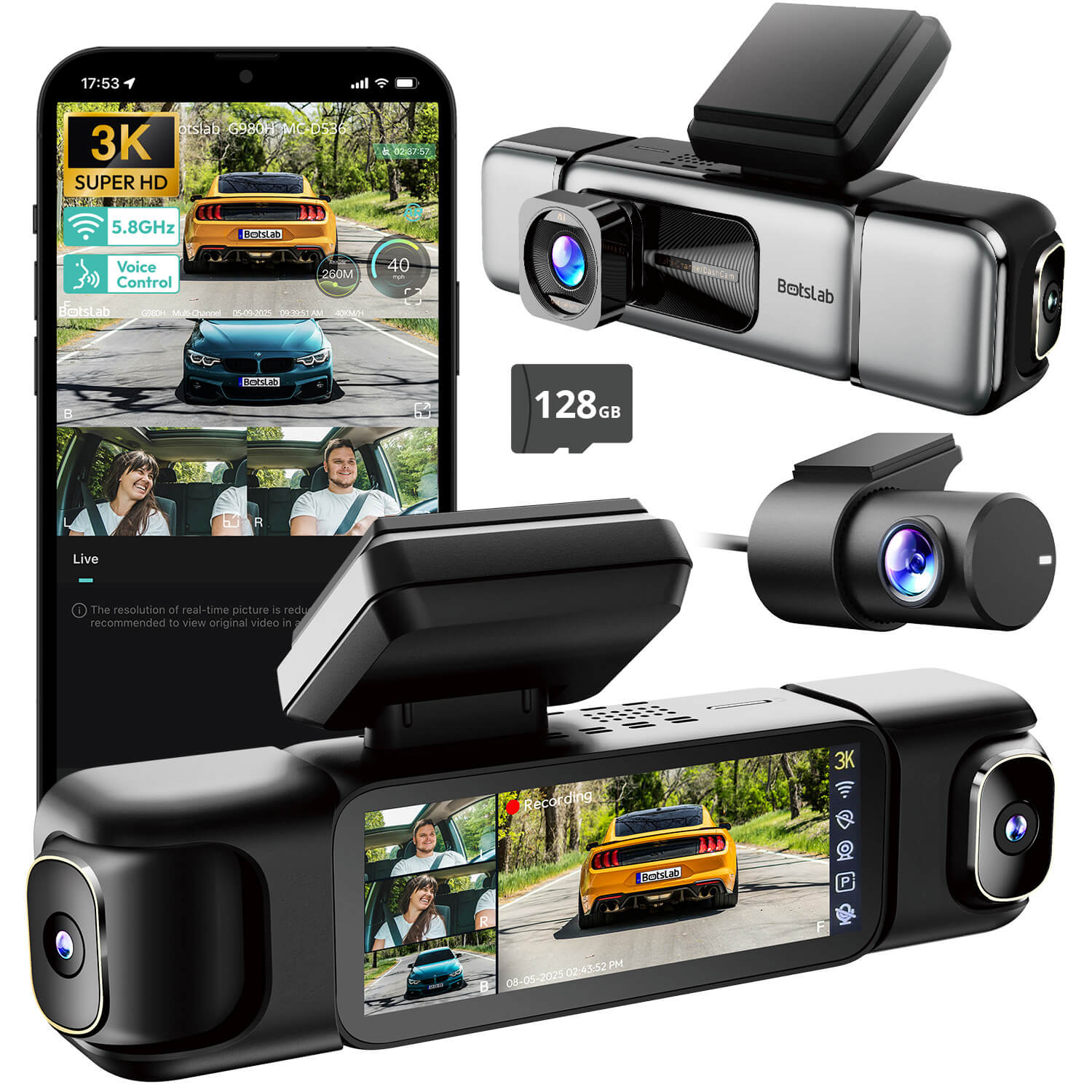
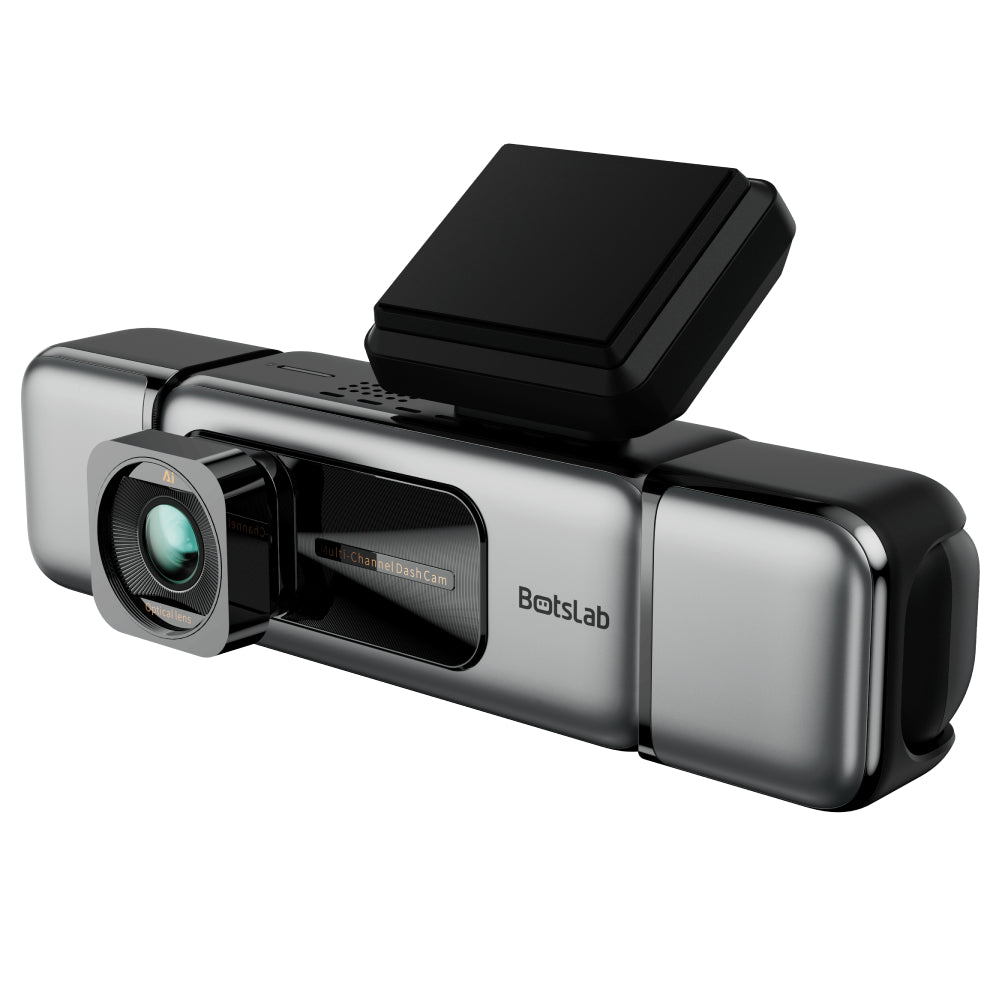
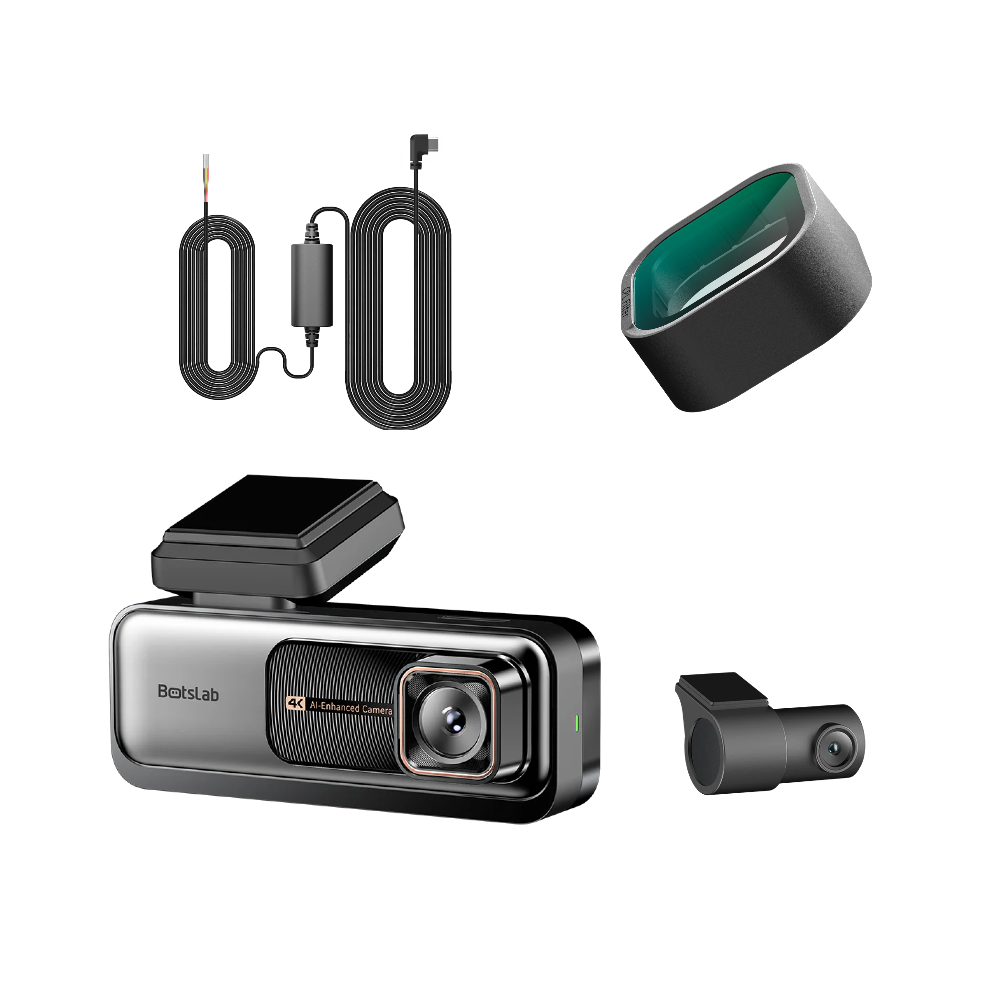
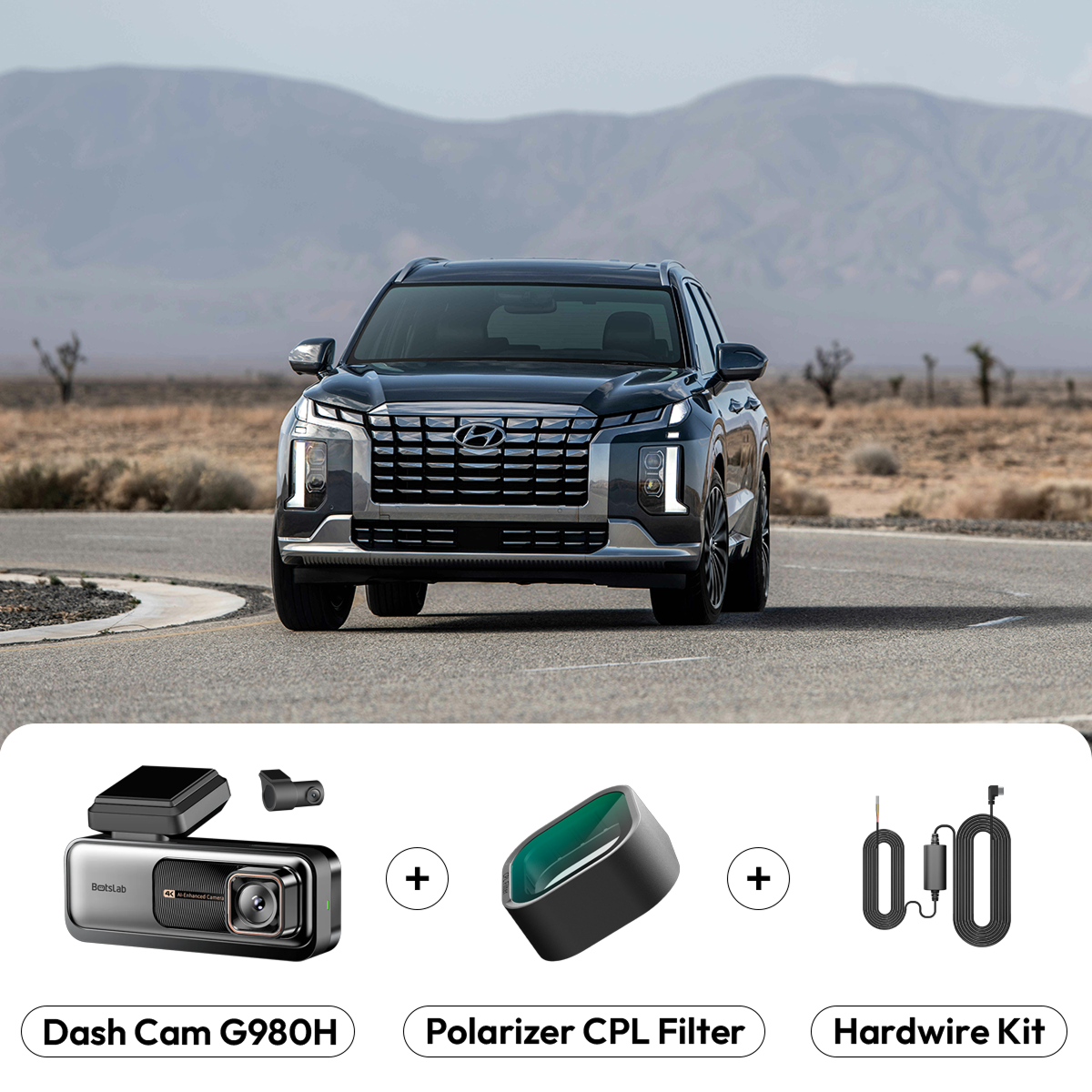
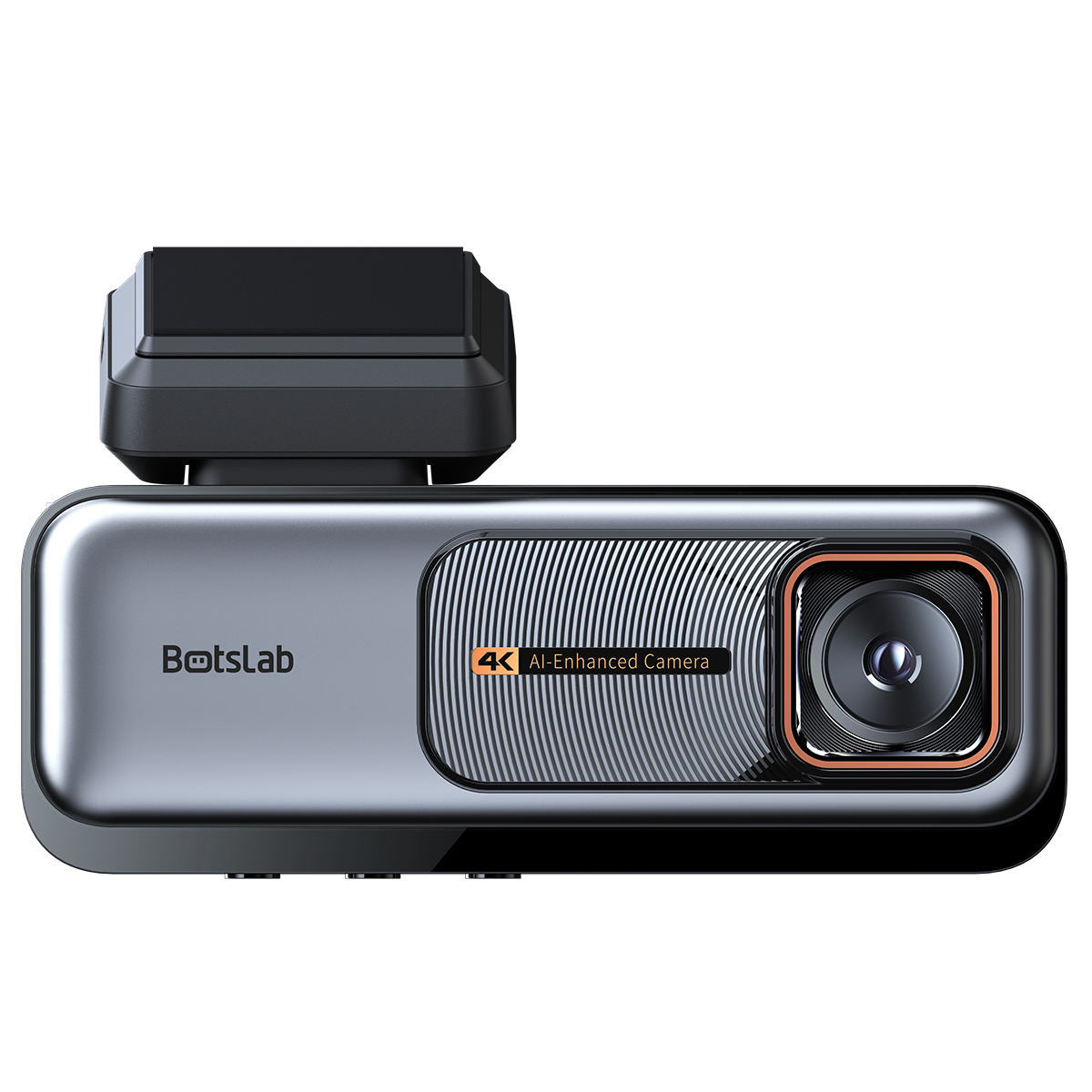
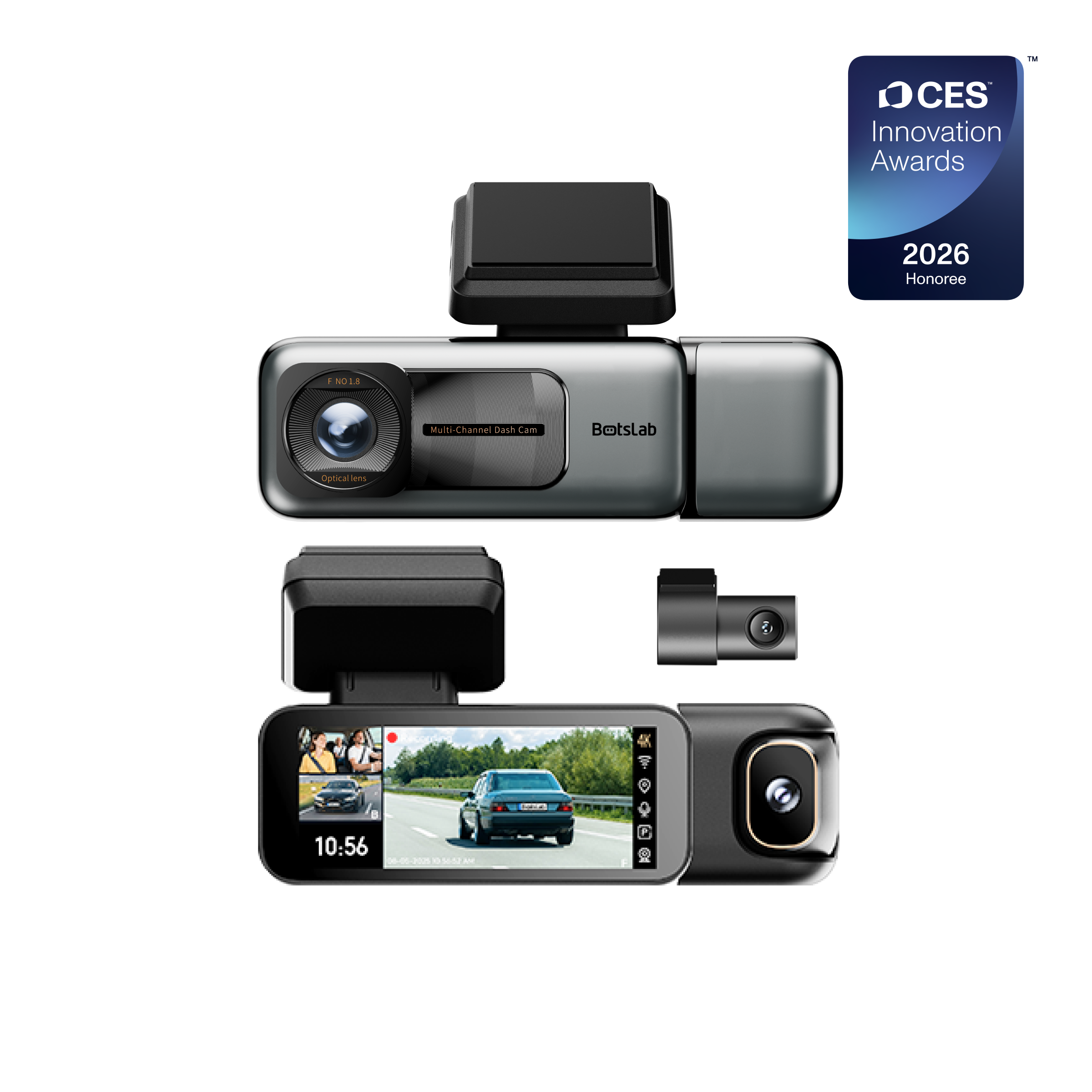
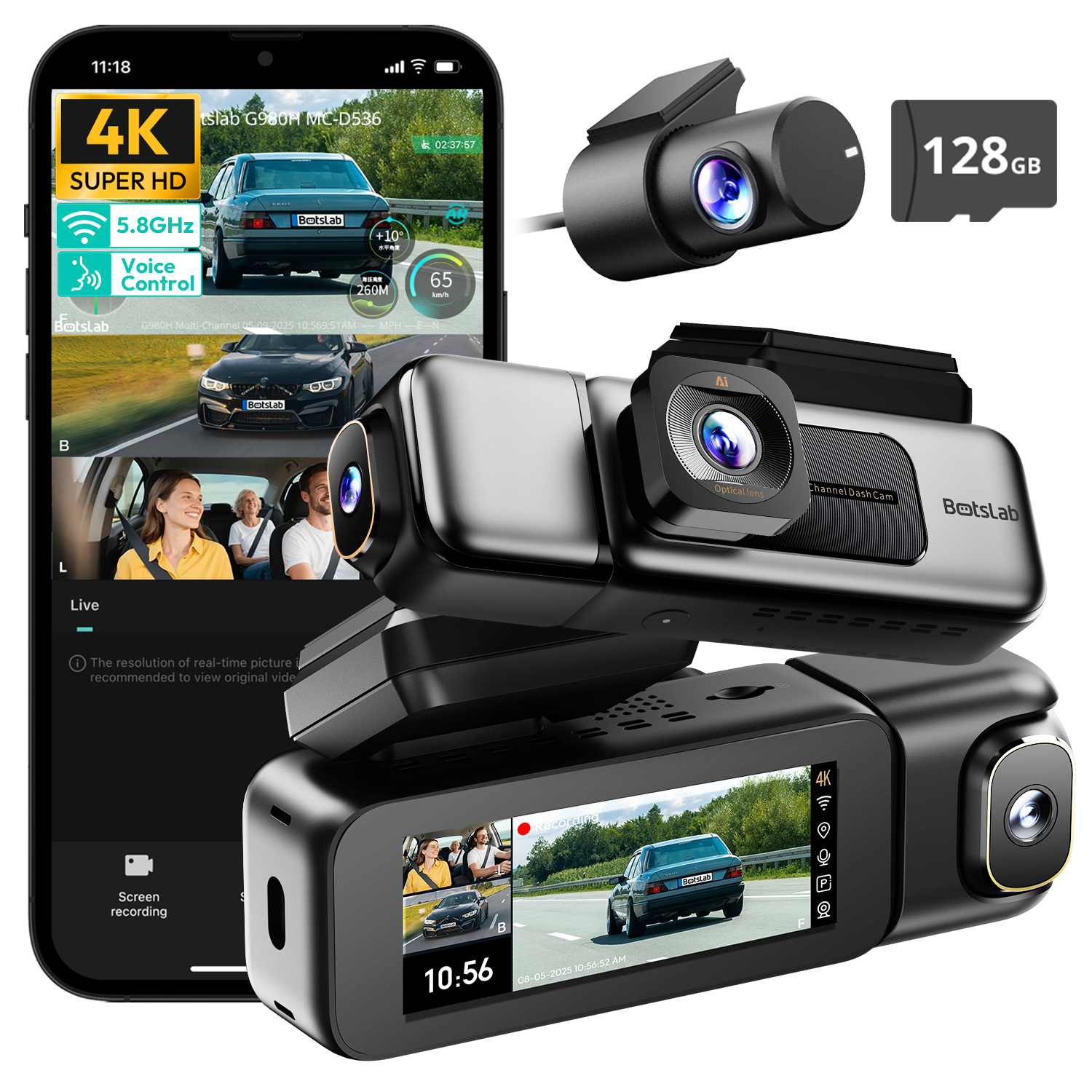
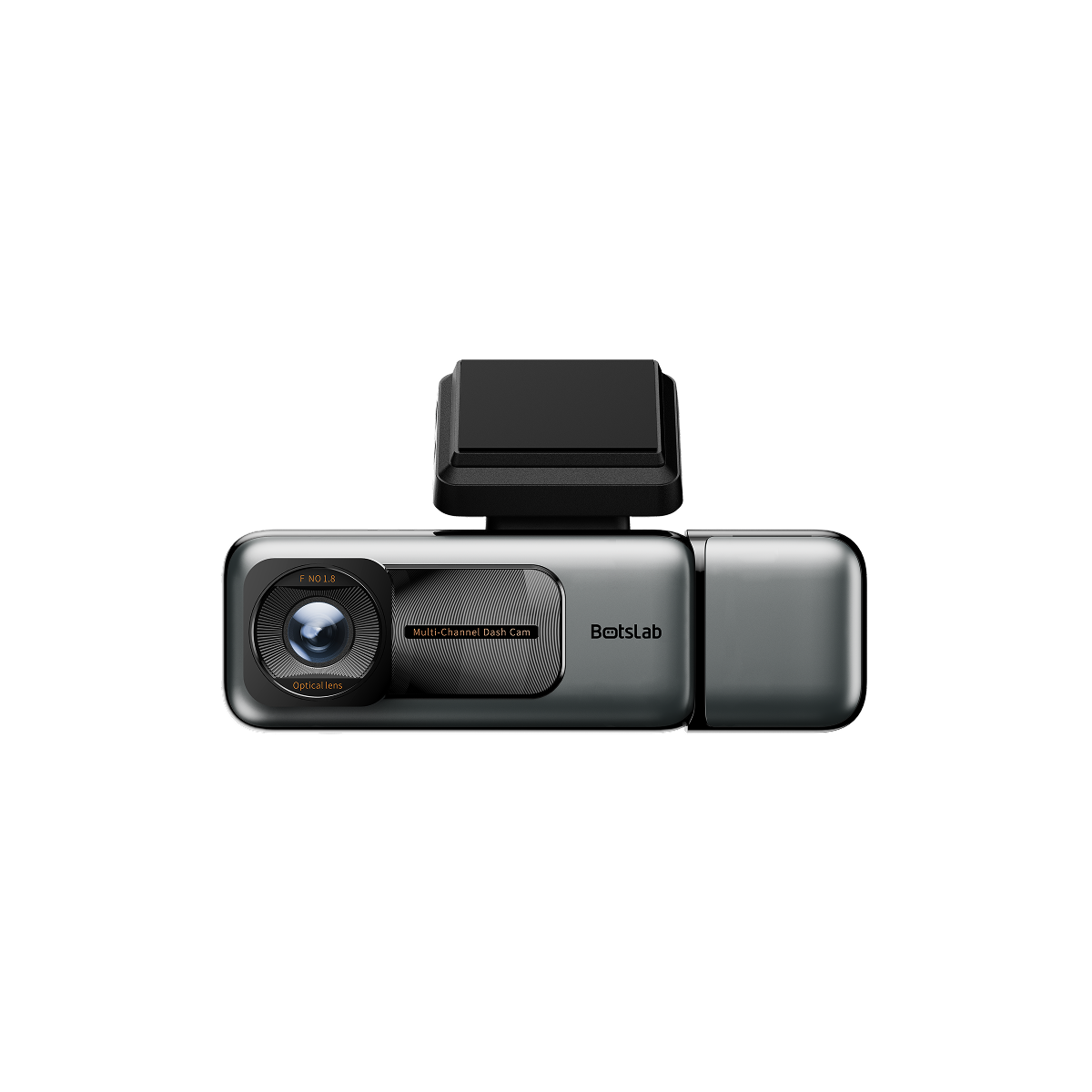
The 4K Powerhouse for Ultimate Clarity: Botslab G980H
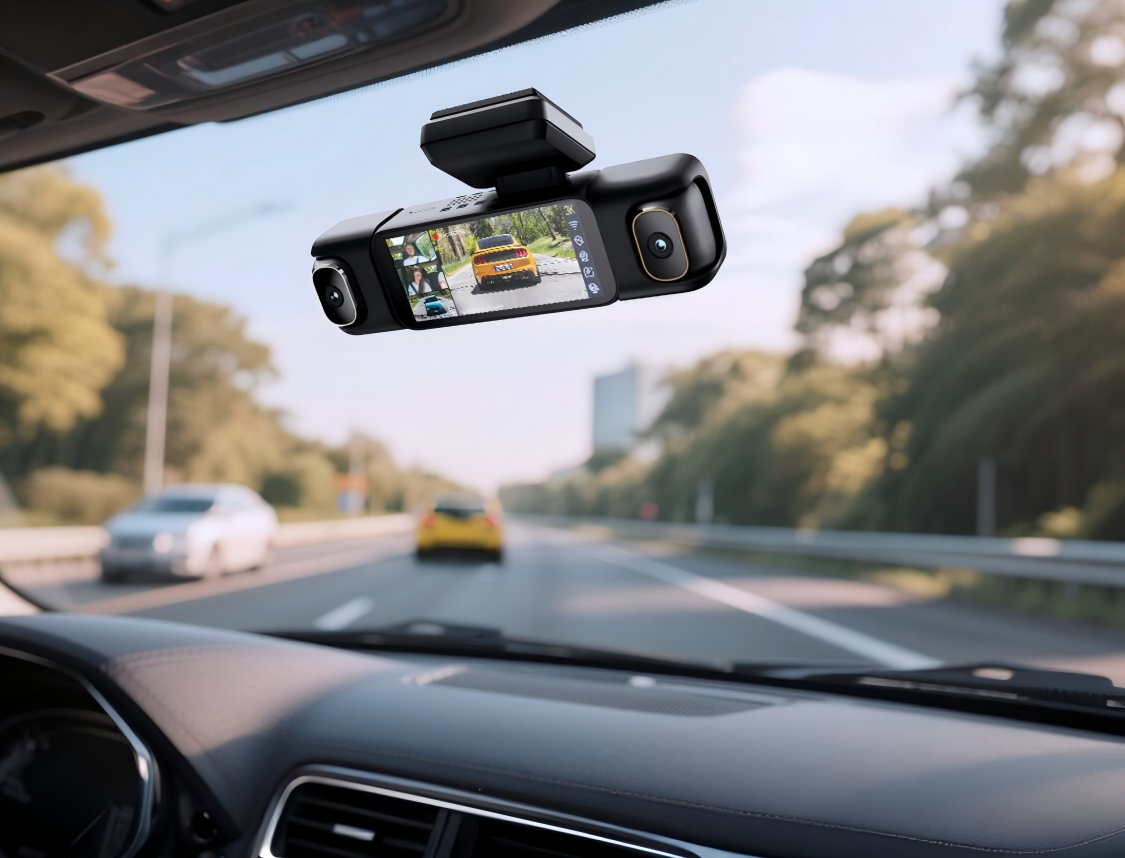
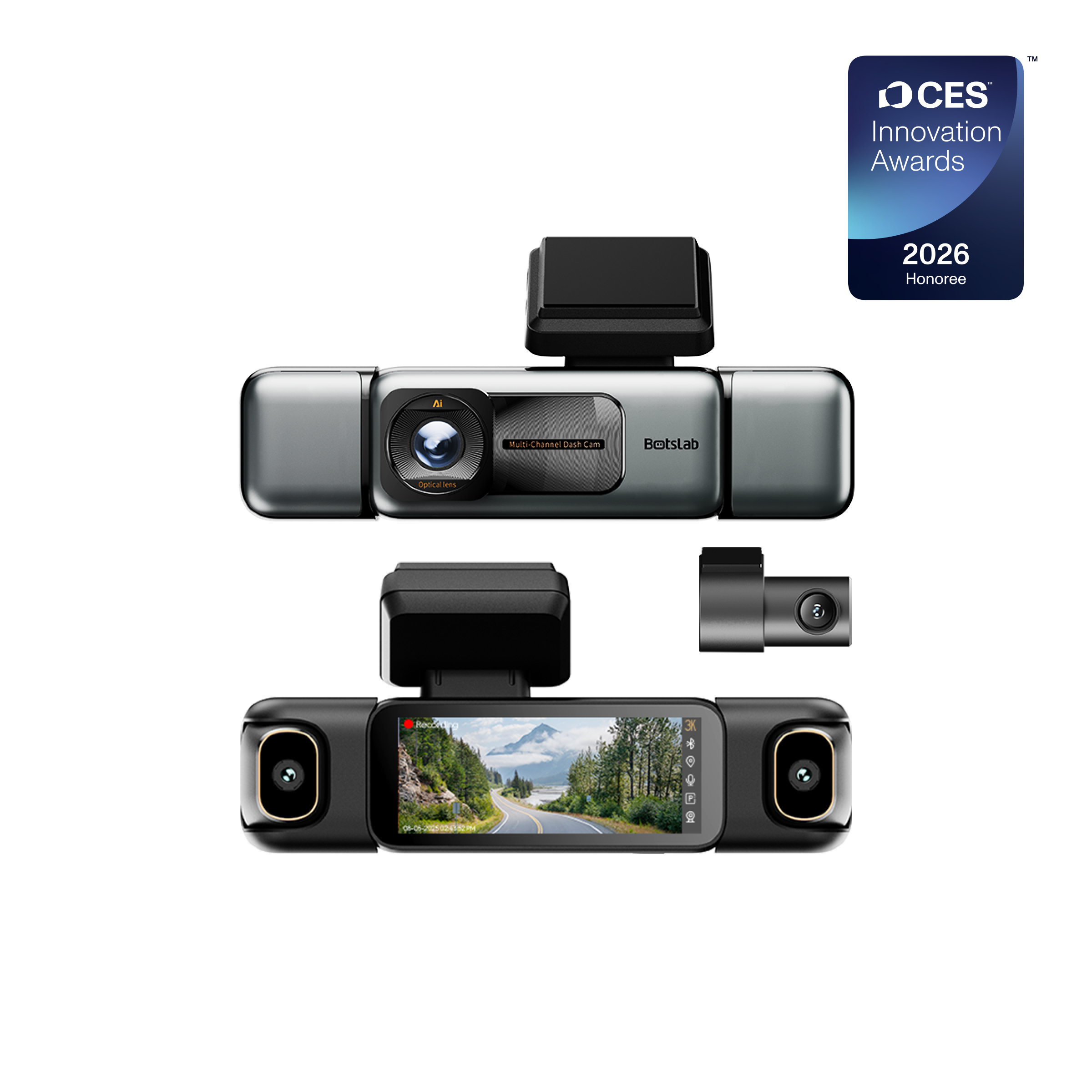
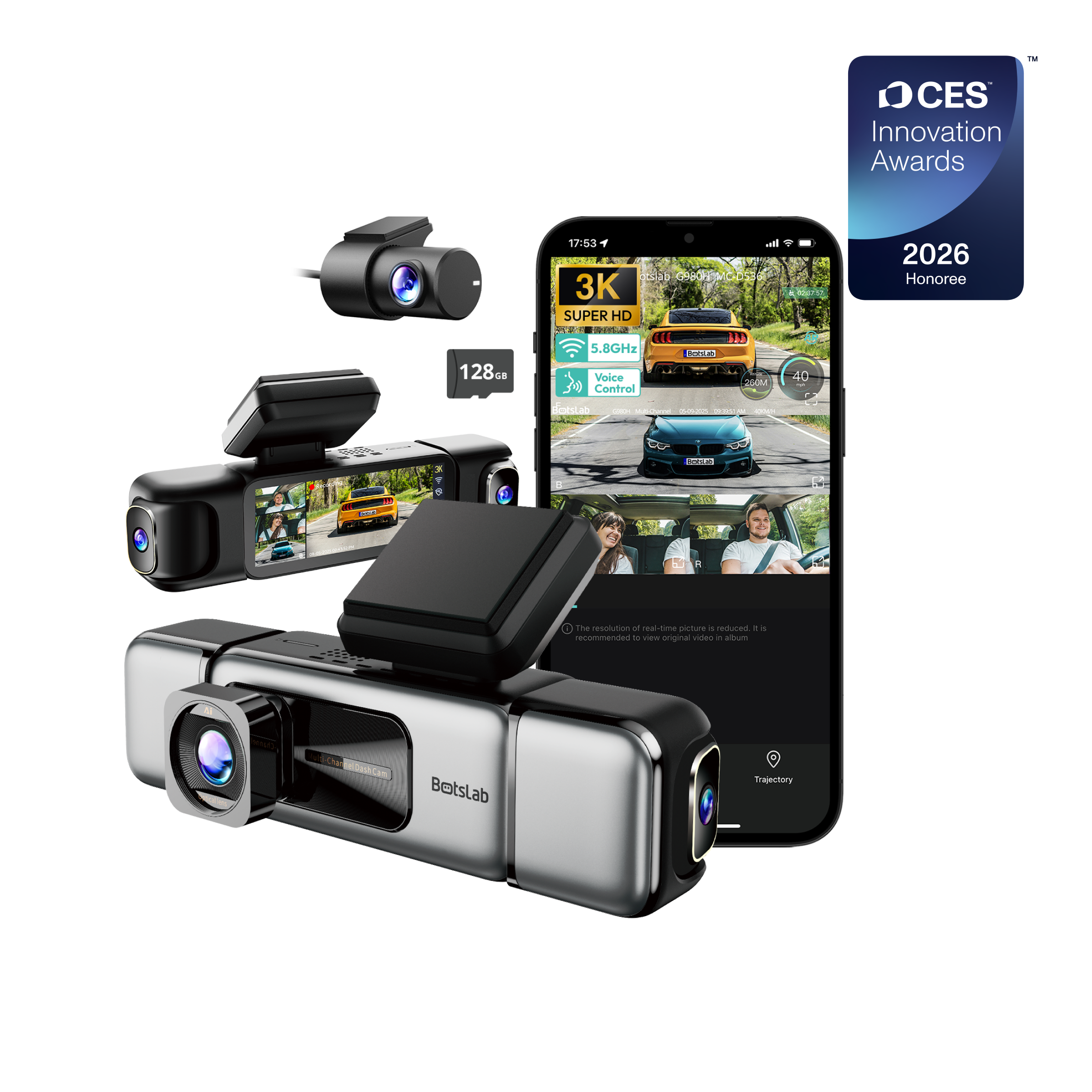
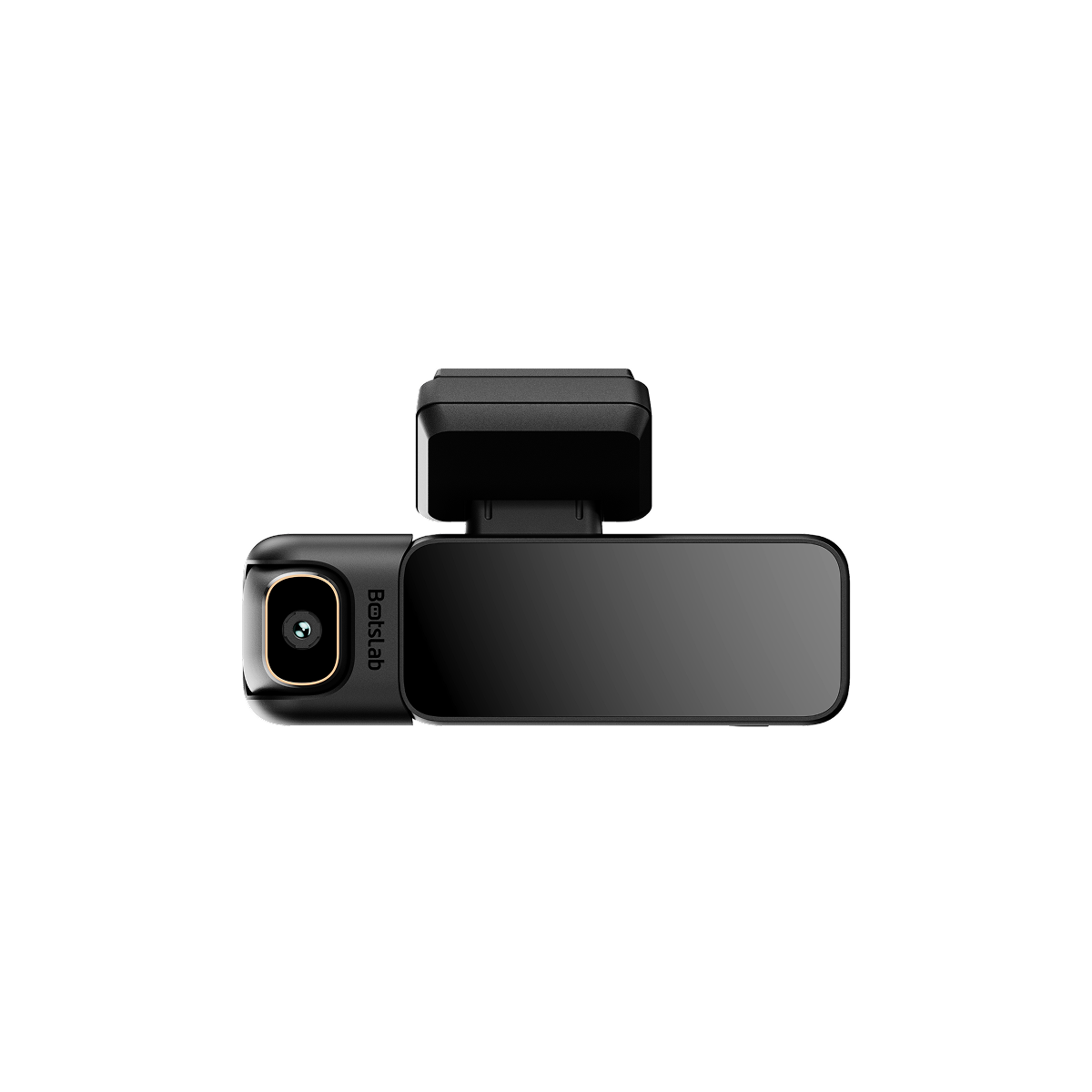
For those who demand the best in both video evidence and safety assistance, the Botslab G980H stands out. Its key advantage is true 4K ultra-high-definition resolution, which provides an exceptionally clear view of the road. This clarity directly enhances the accuracy of its comprehensive ADAS suite, including a highly reliable FCWS and LDWS. Paired with its industry-leading SuperClear Night Vision technology and built-in GPS, the G980H ensures that its safety features perform optimally in all lighting and driving conditions, making it a top choice for safety-conscious drivers.
The Reliable All-Rounder
Brands like Viofo and Thinkware are well-regarded for producing dependable dash cams that balance features and price. Models in their mid-to-high-end range often feature 2K resolution and a solid implementation of ADAS. They are known for their reliability and good video quality, offering a strong set of core safety features without necessarily having the absolute cutting-edge resolution or night vision of more premium models.
The Compact and Discreet Option
For drivers who prefer a minimalist setup, some manufacturers specialize in ultra-compact designs. These cameras are often screenless and prioritize a small footprint behind the rearview mirror. While they may have ADAS, the features can sometimes be less robust due to the smaller sensor and processor. They are a good choice when discretion is the primary concern, but there can be a trade-off in overall ADAS performance compared to larger, more powerful units.
| Feature | Botslab G980H | Typical All-Rounder | Compact Option |
|---|---|---|---|
| Max Resolution | 4K UHD | 2K QHD | 1080p / 2K |
| ADAS Suite | Comprehensive (FCWS, LDWS, etc.) | Standard (FCWS, LDWS) | Basic or Limited |
| Night Vision | Advanced (e.g., SuperClear) | Good | Standard |
| GPS | Built-in | Often Built-in or Optional | Varies |
| Primary Strength | Clarity & Performance | Reliability & Value | Discreet Size |
How Do You Calibrate ADAS on a Dash Cam for Optimal Performance?
Proper calibration is essential for the ADAS to function correctly. An improperly calibrated system can lead to false alarms or, worse, a failure to warn in a real emergency. The process is straightforward and typically guided by the dash cam's mobile app.
First, ensure the dash cam is mounted correctly—centered on the windshield, usually near the rearview mirror, with an unobstructed view of the road. During the calibration process, which should be done while parked on a level surface, the app will display the camera's live view. You will be prompted to align on-screen guidelines with the horizon and the edges or center of your vehicle's hood. This setup tells the system where the road is and defines the boundaries of your car. Taking a few minutes to perform this step accurately will pay dividends in the form of reliable and precise safety alerts.
Can ADAS Features Be Too Sensitive or Distracting?
This is a valid concern, especially for drivers in dense urban areas with narrow lanes. A system that beeps constantly can become more of a nuisance than a help. Reputable dash cam manufacturers understand this and build in options to customize the system's sensitivity.
Most ADAS dash cams, including models from Botslab, allow you to adjust the sensitivity level for features like LDWS and FCWS—often with settings like Low, Medium, and High. Some even let you adjust the speed at which the warnings become active (for example, LDWS may only activate above 40 mph). The best practice is to start with a lower sensitivity setting and increase it if you feel you need more proactive warnings. This customization ensures the system serves as a helpful co-pilot rather than a distracting backseat driver.
Does ADAS Affect a Dash Cam's Recording Performance?
A high-quality dash cam is engineered to handle multiple tasks simultaneously without compromise. ADAS processing runs on the camera's dedicated chipset, in parallel with video recording. In a well-designed unit, activating ADAS will not degrade the video quality or cause dropped frames. The camera's processor is designed with enough overhead to manage both the image processing for ADAS and the encoding of high-resolution video to the memory card.
However, this is why choosing a camera from a reputable brand with a powerful processor is important. Lower-end, underpowered cameras might struggle to manage both tasks effectively, which could impact either recording stability or ADAS responsiveness. Investing in a unit with a proven chipset ensures all features work seamlessly together.
What is the Future of ADAS in Consumer Dash Cams?
The evolution of ADAS in dash cams is moving rapidly toward greater intelligence and integration. The next generation of systems will likely incorporate more sophisticated AI and machine learning. This will enable them to not only detect vehicles and lanes but also to recognize and react to pedestrians, cyclists, and even animals with greater accuracy.
We can also expect to see more nuanced alerts. Instead of a simple beep, future systems might provide more descriptive warnings. Further integration could see dash cams communicating with other smart devices in the car or even connecting to city infrastructure for real-time traffic and hazard information. The goal is to create an even more predictive and seamlessly integrated safety net for the driver.
Is an ADAS Dash Cam Worth the Extra Cost?
When considering the potential to prevent even a single minor accident, the modest additional cost for an ADAS-equipped dash cam is a clear and compelling value. The expense of a fender-bender, from insurance deductibles to repair costs and the sheer inconvenience, far outweighs the premium for this advanced technology.
More importantly, the value of ADAS is measured in safety and peace of mind. These systems provide a tangible benefit on every single drive by actively monitoring your surroundings and alerting you to danger. They act as a constant, reliable safety net, helping to compensate for moments of distraction or fatigue. Ultimately, choosing a dash cam with ADAS is not just about recording what happens on the road; it's about actively shaping a safer outcome.












Share:
What is the Best Car Camera for Extreme Wide-Angle Coverage?
Which Dash Cam Models Rank Highest for User-Friendly App Control?