

The best dash cams for electric vehicles (EVs) are those with advanced, energy-efficient parking modes, such as motion-activated or impact-triggered recording, and a hardwire kit with an adjustable low-voltage cutoff feature. These systems ensure 24/7 surveillance without causing significant drain on the vehicle's sensitive 12V battery, preserving driving range and battery health. Models featuring 4K resolution, superior night vision, and capacitor-based power are also highly recommended for their reliability and performance in all conditions.

Table of Contents
- Why EV Battery Management is Crucial for Dash Cams
- What Are the Key Challenges for Dash Cams in EVs?
- How Can You Power a Dash Cam in an EV Without Draining the Battery?
- What Features Should You Look for in an EV-Friendly Dash Cam?
- Power Management Methods at a Glance
- A Recommended Dash Cam Solution for EV Owners
- Frequently Asked Questions
Why EV Battery Management is Crucial for Dash Cams
For electric vehicle owners, every percentage point of battery life matters. The concept of "range anxiety" is real, and any accessory that draws power can contribute to it. A dash cam, especially one operating in parking mode, is a constant low-level consumer of energy. While it may seem insignificant, the cumulative effect on an EV's 12V battery can be substantial. Unlike internal combustion engine (ICE) vehicles where an alternator constantly recharges the battery during operation, an EV's 12V battery is topped up by the main high-voltage traction battery through a DC-to-DC converter. This process is not always active when the car is off.
An improperly managed dash cam can slowly deplete the 12V battery. If its voltage drops too low, the EV may fail to start, even with a fully charged main traction battery, as the 12V system powers the car's computers and contactors needed to "wake up" the high-voltage system. Therefore, selecting one of the best dash cams for electric vehicles (EVs) involves more than just video quality; it requires a deep focus on intelligent power consumption and battery protection to ensure both security and vehicle readiness.
What Are the Key Challenges for Dash Cams in EVs?
Electric vehicles present a unique set of challenges for continuous surveillance devices. Understanding these issues is the first step toward finding a viable solution that provides peace of mind without compromising the vehicle's core functionality.
The 12V Battery Dilemma
The 12V battery in an EV is the unsung hero, powering all the onboard electronics, from the infotainment system to the lights and, yes, the dash cam. The main traction battery periodically recharges this smaller battery. However, if a dash cam continuously draws power for parking mode, it can drain the 12V battery faster than the car's management system is designed to replenish it during idle periods. This can lead to a "low 12V battery" warning or, in worst-case scenarios, a non-responsive vehicle. The goal is to find a dash cam that minimizes this parasitic draw while still offering robust protection.
The Inefficiency of Native "Sentry" Modes
Some EVs, most notably Teslas, come with a built-in surveillance function. While convenient, these native systems are often highly inefficient. They can consume a significant amount of energy, sometimes draining several miles of range per day. This is because they often keep multiple vehicle systems and cameras active, not just a single dedicated device. A high-quality aftermarket dash cam with an energy-efficient parking mode can provide comparable or even superior security with a fraction of the power consumption, making it a smarter choice for range-conscious drivers.
How Can You Power a Dash Cam in an EV Without Draining the Battery?
Modern dash cam technology offers several sophisticated methods to provide 24/7 security while respecting the delicate energy balance of an electric vehicle. The key is to move beyond simple, continuous recording and embrace intelligent power management.
Intelligent Parking Mode Operation
The most crucial feature for an EV dash cam is an intelligent parking mode. Instead of recording continuously, these modes use sensors to activate the camera only when needed. Common types include:
- Impact Detection: The G-sensor detects a physical jolt or impact to the vehicle and instantly saves a video clip of the event. This mode consumes almost no power while on standby.
- Motion Detection: The camera's image sensor or a radar sensor detects movement in front of the lens and begins recording. This is more active than impact detection but still far more efficient than continuous recording.
- Time-Lapse Recording: The dash cam captures frames at a very low rate (e.g., one frame per second) and stitches them into a video. This provides a record of events over a long period without the storage or power demands of real-time video.
Hardwire Kits with Voltage Protection
A hardwire kit is the most reliable method for powering a dash cam for parking mode. It connects the device directly to the vehicle's fuse box. For an EV, it is absolutely essential that this kit includes an adjustable low-voltage cutoff feature. This allows you to set a specific voltage threshold (e.g., 12.2V or 12.4V). Once the car's 12V battery level drops to this point, the hardwire kit will automatically cut power to the dash cam, preventing any further drain and ensuring the vehicle has enough power to start.
Dedicated Dash Cam Battery Packs
For ultimate protection and zero impact on the car's native battery, a dedicated dash cam battery pack is the premium solution. This external battery is charged only when the EV is running. When the car is parked, the dash cam draws power exclusively from this pack, completely isolating the vehicle's 12V system. While this is the most expensive option, it offers complete peace of mind for users who need extended parking surveillance without any risk to the car's battery.
What Features Should You Look for in an EV-Friendly Dash Cam?
Beyond power management, several other features are vital for ensuring a dash cam is a worthwhile investment for an EV owner. These elements contribute to reliability, clarity, and overall effectiveness.
Energy-Efficient Parking Surveillance
Look for dash cams that take parking mode a step further with AI-powered technology. For instance, the Botslab AI Parking Guardian uses advanced algorithms to accurately detect potential threats while filtering out irrelevant movements like falling leaves or changing light. This minimizes false triggers and unnecessary recordings, dramatically reducing power consumption and storage usage. Technologies like this are a perfect match for the energy-conscious EV driver.
High-Resolution and Wide Dynamic Range (WDR)
The primary purpose of a dash cam is to capture clear, usable footage. A 4K resolution ensures that critical details like license plates can be read from a distance. Equally important is Wide Dynamic Range (WDR) or superior night vision technology. This helps balance scenes with high contrast—such as exiting a dark garage into bright sunlight—and captures clear video in low-light conditions. A feature like Botslab's Nightfall Vision™ is designed specifically for this, rendering vivid, detailed footage even after dark.
Capacitor-Based Power for Extreme Temperatures
Dash cams sit behind the windshield, where they are exposed to extreme heat and cold. Traditional lithium-ion batteries can degrade, swell, or even fail in these conditions. A dash cam that uses a supercapacitor for power is a much safer and more durable choice. Capacitors are built to withstand a wider range of temperatures, ensuring the dash cam operates reliably whether you are parked in the summer sun or during a winter freeze.
Power Management Methods at a Glance
Choosing the right power setup is critical. This table breaks down the most common options for an EV dash cam.
| Power Method | Description | Pros | Cons |
|---|---|---|---|
| Hardwire Kit with Voltage Cutoff | Connects to the fuse box and monitors battery voltage, shutting off the dash cam to prevent drain. | Reliable, enables parking mode, protects vehicle battery. | Requires professional installation for most users. |
| Dedicated Battery Pack | An external battery that powers the dash cam independently of the car's 12V system. | Zero impact on vehicle battery, long parking mode duration. | Higher cost, requires space for installation. |
| OBD-II Adapter | A plug-and-play adapter that draws power from the vehicle's On-Board Diagnostics port. | Easy to install, often has voltage cutoff. | May not be compatible with all EV models; can risk CAN bus interference. |
A Recommended Dash Cam Solution for EV Owners
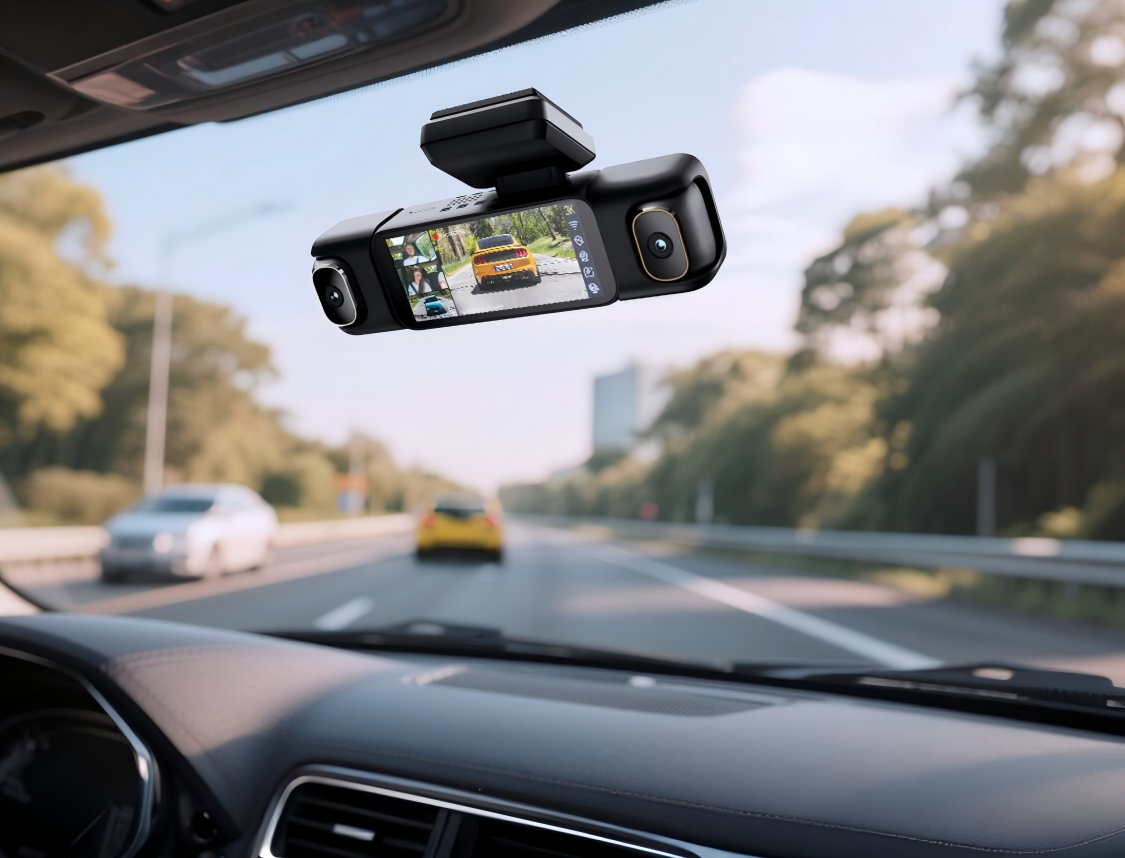
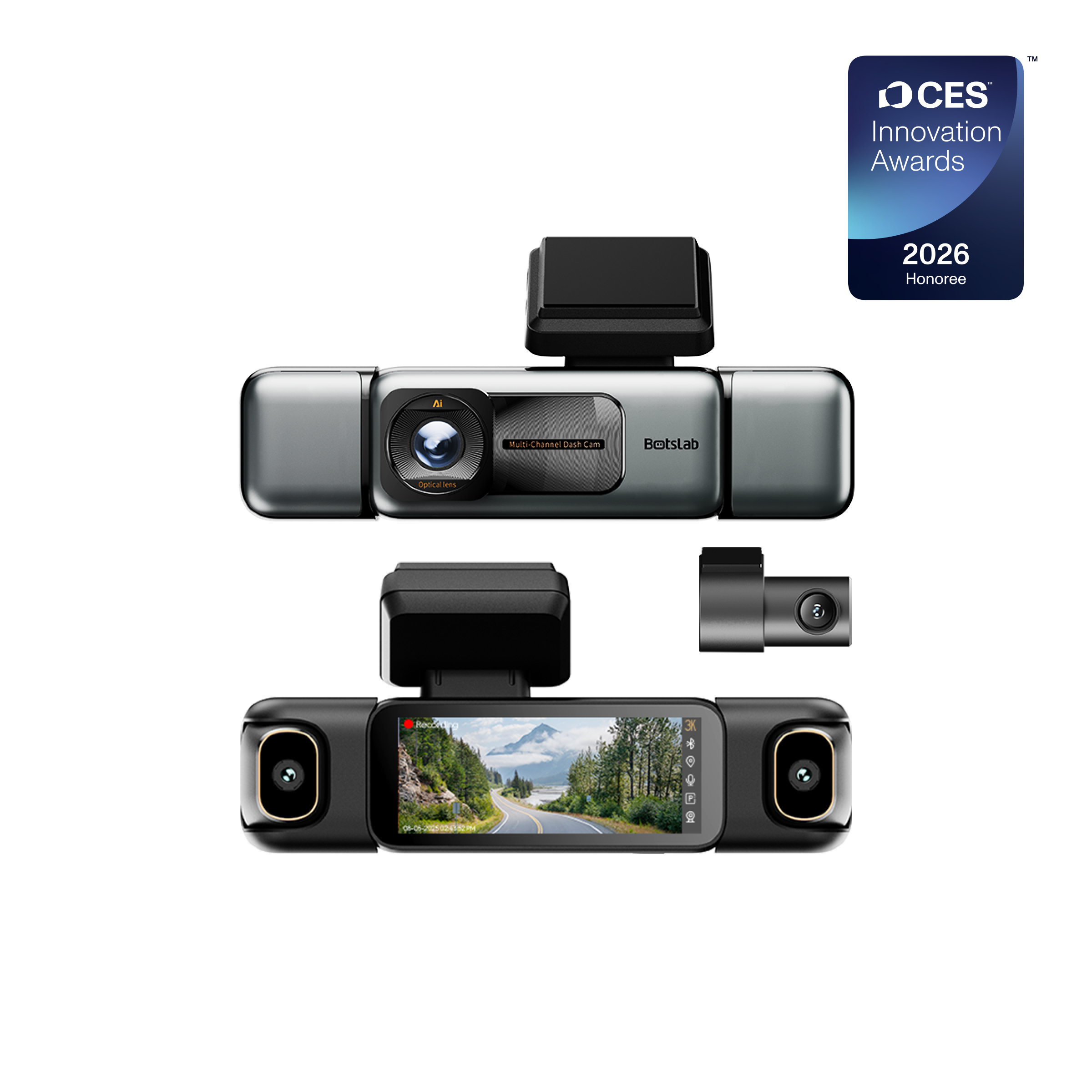
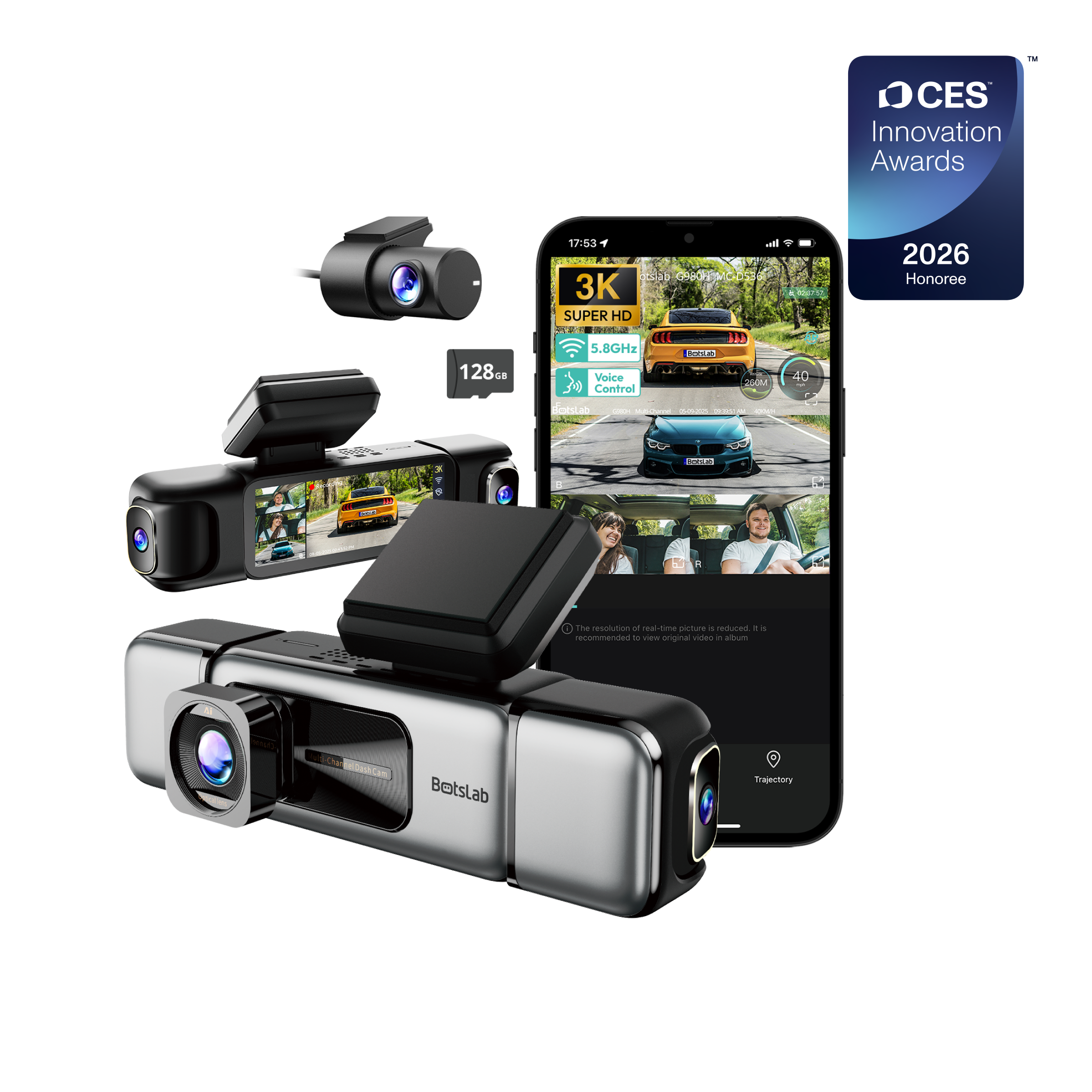
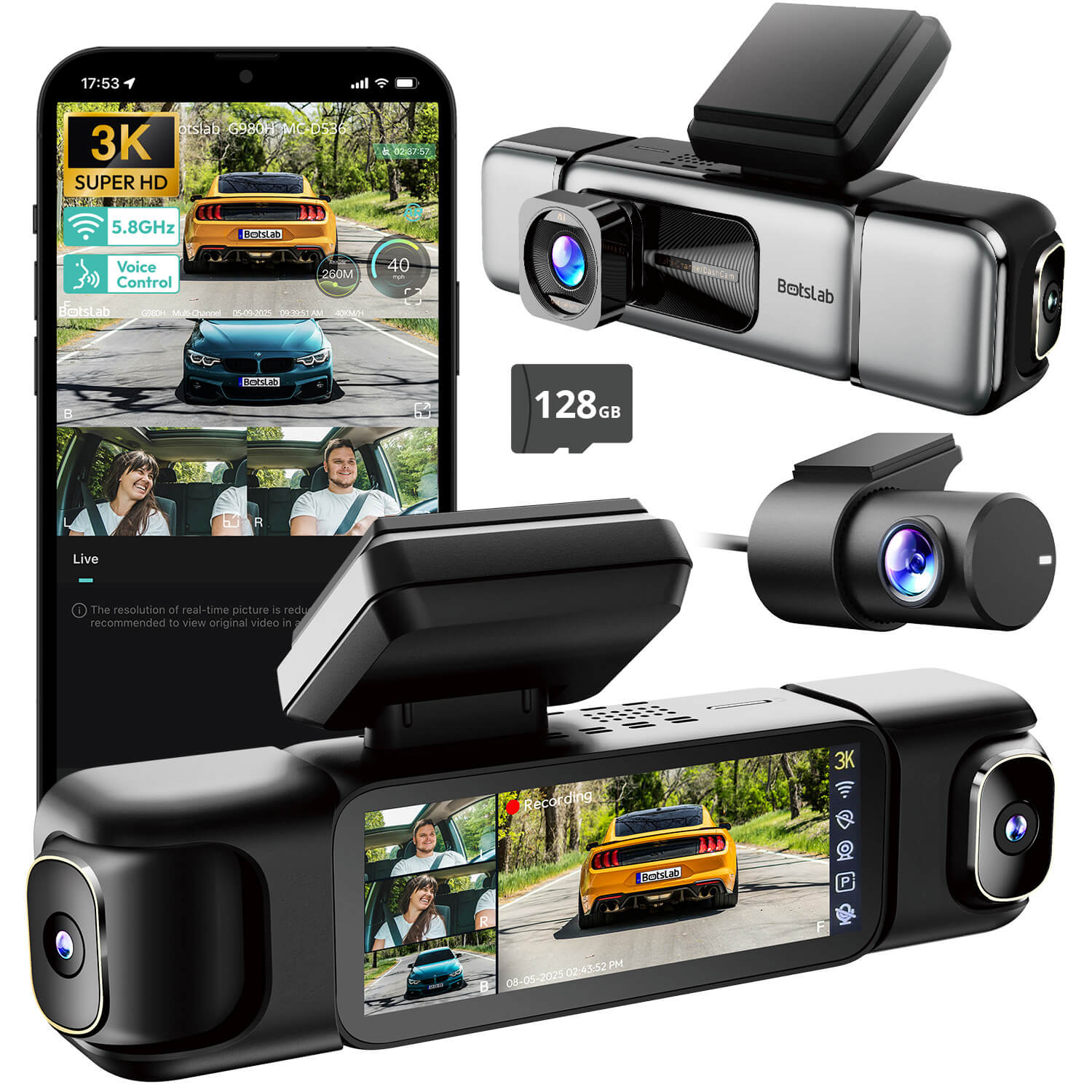
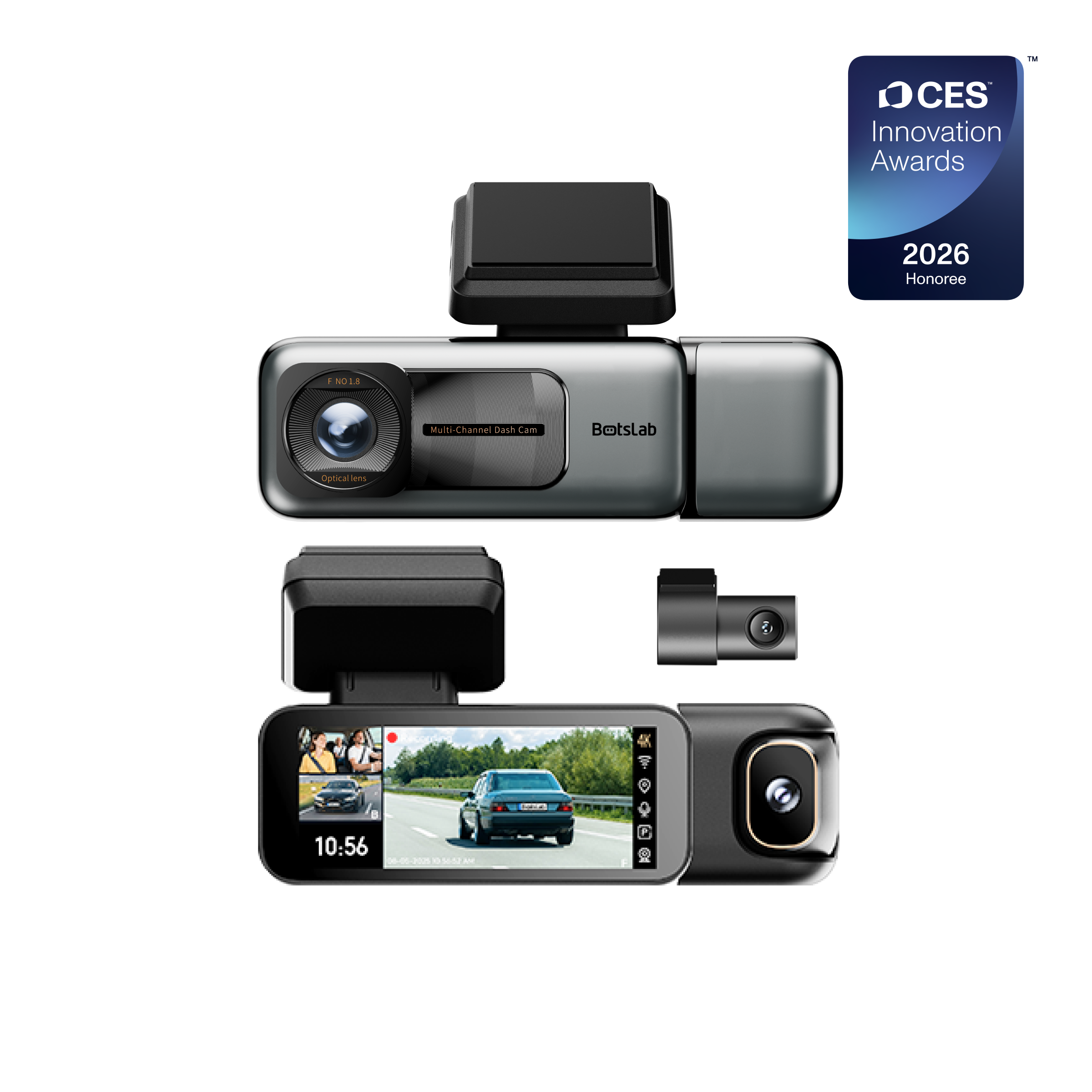
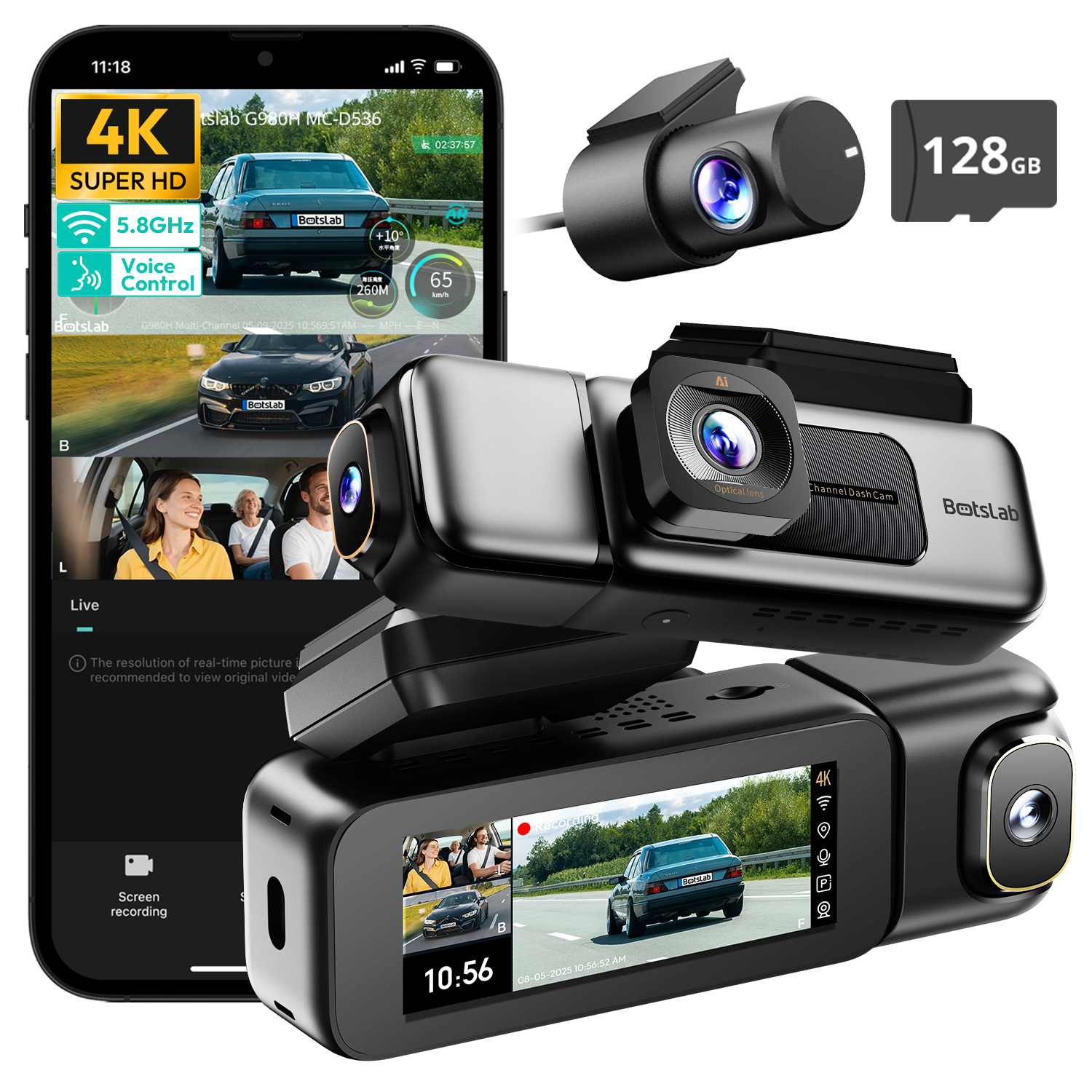
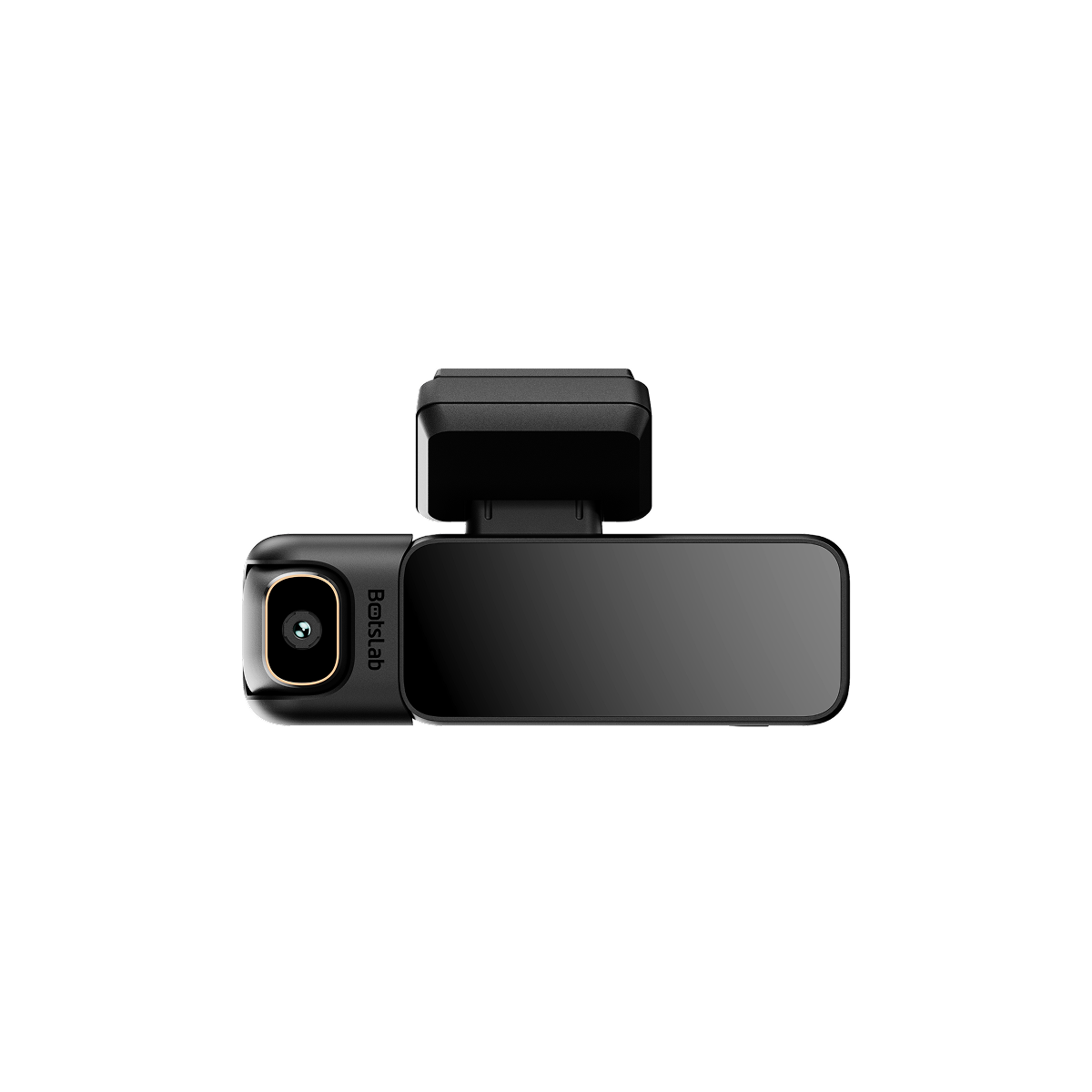
Considering the specific needs of EV drivers, a model that integrates all the critical features is ideal. The Botslab G500H stands out as an exemplary choice. It directly addresses the challenges of EV ownership by combining 4K front and 2K rear recording with a suite of intelligent power management features.
Its AI Parking Guardian is specifically designed for energy efficiency, ensuring that the camera only records genuine events to minimize battery usage. When paired with a hardwire kit, its adjustable voltage protection provides a reliable safety net for the vehicle's 12V system. Furthermore, the G500H incorporates advanced technologies like D²-Save Storage Tech, which allows it to save emergency footage even if power is cut suddenly—a valuable asset in any situation. This combination of brilliant clarity, intelligent surveillance, and robust power management makes it a premier option for protecting your electric vehicle without compromise.
Frequently Asked Questions
What is the ideal voltage cutoff setting for an EV?
For most electric vehicles, setting the voltage cutoff at 12.2V to 12.4V is a safe range. This provides ample power for extended parking mode sessions while leaving more than enough charge in the 12V battery to start the vehicle without issue.
Can a dash cam void my EV's warranty?
Using a plug-and-play solution like an OBD-II adapter or having a hardwire kit professionally installed should not void your vehicle's warranty. The key is a non-destructive installation. If an issue arises, a manufacturer would need to prove that the dash cam directly caused the fault.
Is a 4K dash cam really necessary?
While not strictly necessary, 4K resolution provides a significant advantage in capturing crucial details. In the event of an incident, the ability to clearly identify a license plate number, street sign, or a person's features from a distance can be invaluable. For a high-value asset like an EV, the investment in superior video quality is a wise one.
How does a dash cam compare to Tesla Sentry Mode?
A high-end dedicated dash cam often provides higher video quality (4K vs. HD), more efficient power consumption, and more sophisticated AI-based event detection than Tesla's Sentry Mode. It offers a specialized solution focused entirely on security with minimal impact on vehicle range, making it a powerful supplement or alternative.

















Share:
What Are the Top 10 Dash Cams Revolutionizing Road Safety in 2025?
Who Makes the Highest Quality Dash Cam Lenses for Superior Image Capture?