

The best 4K wireless outdoor security camera for extreme weather with an IP67 rating is a device that combines ultra-high-definition video with superior environmental protection. It must be fully submersible in water up to 1 meter for 30 minutes, completely dust-tight, and operate reliably across a wide temperature range. Key features include advanced color night vision, AI-powered motion detection to minimize false alerts, a stable wireless connection, and secure storage options like local SD cards or encrypted cloud services.

Table of Contents
Investing in a high-quality 4K Wireless Security Camera Outdoor is about securing peace of mind, no matter what the forecast holds. When your property's first line of defense is exposed to the elements 24/7, you need more than just a good picture. You need a resilient device engineered to withstand everything from torrential downpours to freezing blizzards and scorching heatwaves. This requires a deep dive into what makes a camera truly weatherproof and why specific features are non-negotiable for reliable outdoor protection.
What Defines an "Extreme Weather" Security Camera?
An extreme weather security camera is defined by its physical resilience and operational consistency in harsh environmental conditions. The primary indicators of this resilience are the Ingress Protection (IP) rating and the specified operating temperature range. These two metrics tell you exactly how well the camera can defend its sensitive electronics against solids, liquids, and temperature extremes, ensuring it continues to function when you need it most.
Decoding IP Ratings: What Does IP67 Really Mean?
The IP rating is a standardized system that classifies the degree of protection provided by a device's enclosure. The rating consists of two numbers. The first digit (0-6) indicates protection against solid objects, like dust and dirt. The second digit (0-9) signifies protection against liquids, such as rain and jets of water.
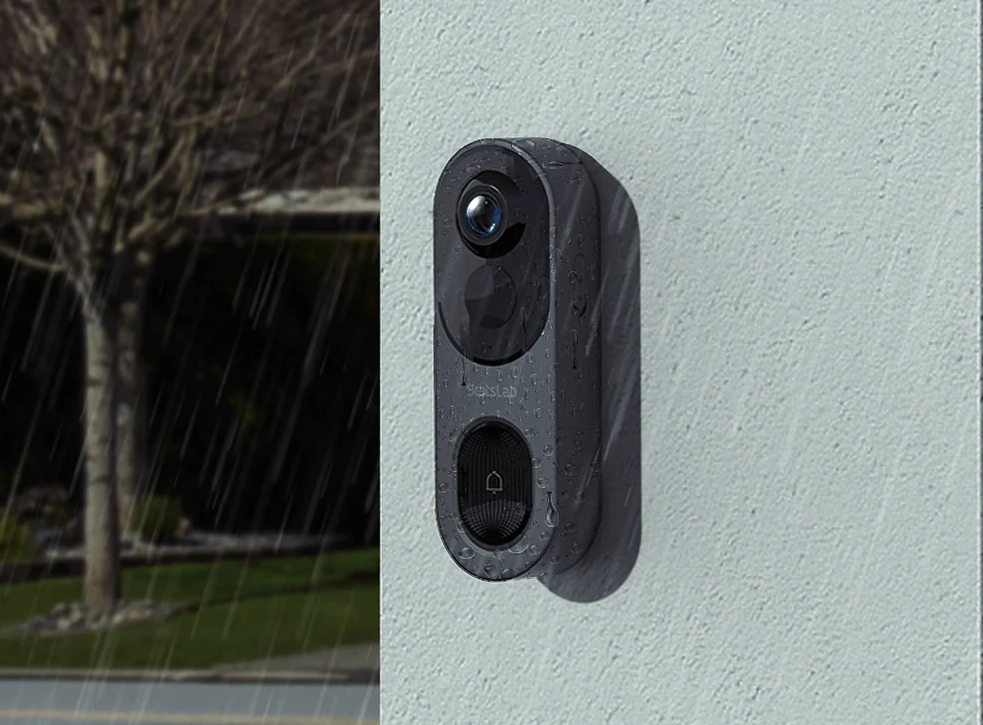
For outdoor security, an IP65 rating is often considered the minimum, but for true all-weather reliability, you should look for IP66 or IP67. An IP67 rating signifies the highest level of dust protection (completely dust-tight) and robust water protection, certifying that the device can be fully submerged in up to one meter of water for 30 minutes without damage. This level of sealing is critical for areas prone to hurricanes, blizzards, or high-pressure washing.
| IP Rating | Solid Protection (First Digit: 6) | Liquid Protection (Second Digit) | Best For |
|---|---|---|---|
| IP65 | Dust Tight | Protected against low-pressure water jets from any direction. | General outdoor use, light rain. |
| IP66 | Dust Tight | Protected against powerful water jets from any direction. | Areas with heavy rain, storms, and hose-downs. |
| IP67 | Dust Tight | Protected against temporary immersion in water (up to 1m for 30 mins). | Extreme weather, flood-prone areas, maximum durability. |
Beyond Water and Dust: Why Operating Temperature Matters
A camera's durability isn't just about keeping water out. Extreme temperatures can be just as damaging. Frigid cold can drastically reduce battery life in wireless models and cause internal components to fail. Intense heat, especially from direct sunlight, can lead to overheating, shutting the camera down or permanently damaging its sensor and processor.
Always check the manufacturer's specified operating temperature range. A robust outdoor camera should function reliably in a range from at least -4°F to 122°F (-20°C to 50°C). For climates with more severe winters or summers, look for even wider ranges. A camera's housing material and color can also impact its heat resistance, with lighter-colored, UV-resistant plastics offering better performance in sunny locations.
Why is 4K Resolution Essential for Outdoor Surveillance?
While weather resistance ensures your camera works, 4K resolution ensures it works effectively. 4K, or Ultra High Definition (UHD), offers four times the number of pixels as standard 1080p HD. For outdoor surveillance, this massive increase in detail is not a luxury; it's a fundamental requirement for positive identification and evidence collection.
Covering large areas like a backyard, driveway, or storefront with a single camera is more feasible with 4K. The high pixel density means you can monitor a wider scene without sacrificing the crucial details within it. This eliminates the need for multiple lower-resolution cameras, simplifying your security setup.
How Does 4K Clarity Improve Identification?
The primary advantage of 4K is the ability to digitally zoom into recorded footage without it becoming a blurry, unusable mess. Imagine capturing an event at the far end of your property. With a 1080p camera, zooming in on a person's face or a vehicle's license plate would likely result in pixelation. With 4K, those same details remain crisp and clear.
This level of clarity is invaluable for law enforcement. Being able to positively identify a suspect's facial features, clothing, or the make and model of a car can make all the difference in an investigation. It transforms your security camera from a simple deterrent into a powerful evidentiary tool.
What are the Must-Have Features for a Top-Tier Outdoor Camera?
Beyond resolution and durability, a modern outdoor security camera should be equipped with intelligent features that enhance its effectiveness and usability. These technologies work together to provide comprehensive, around-the-clock security that is both powerful and convenient.
Advanced Night Vision: Can It See in Complete Darkness?
A security camera is only as good as its ability to see at night. Traditional infrared (IR) night vision uses IR LEDs to illuminate the scene in black and white. While effective, it doesn't capture crucial color details like clothing or car color.
Look for cameras with color night vision. These devices often use highly sensitive sensors and sometimes a built-in, motion-activated spotlight to record in full, vivid color even in low-light conditions. This provides significantly more detailed and useful footage of nighttime events.
Smart Motion Detection: How Does AI Prevent False Alerts?
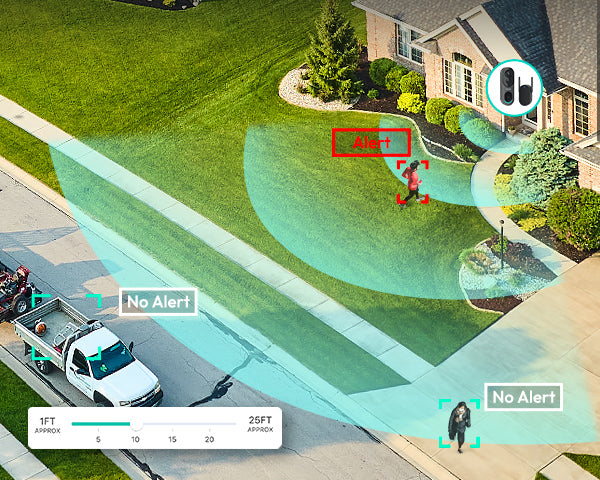
Older motion detection systems would trigger an alert for any movement, leading to a constant stream of notifications from falling leaves, shadows, or animals. Modern cameras use advanced processing to provide intelligent alerts.
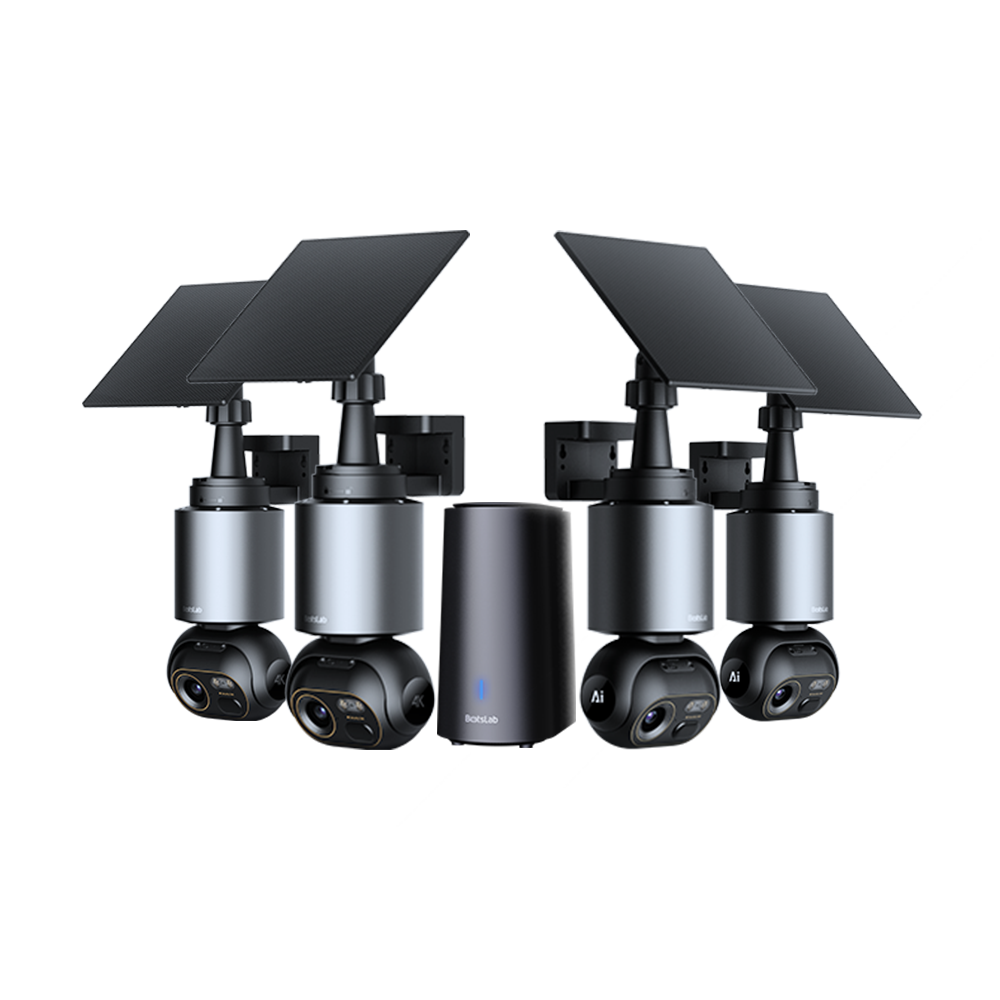
Leading brands in smart home security, such as Botslab, incorporate sophisticated AI algorithms to differentiate between people, vehicles, and pets. This ensures you're only alerted to events that truly matter, rather than swaying branches or passing animals. Some systems even offer package detection and facial recognition, adding another layer of smart functionality to your home security.
Wireless Freedom: What Are the Power and Connection Options?
The term "wireless" can refer to two things: data transmission and power. All cameras in this category transmit data wirelessly via Wi-Fi. For power, you have two main options:
- Battery-Powered: These cameras offer the ultimate installation flexibility, as they require no cables. Look for models with long-lasting, rechargeable batteries. Some can be paired with a solar panel for continuous, maintenance-free operation.
- Wired Power: These cameras plug into a standard outdoor outlet. While they require a cable for power, they offer the benefit of never needing a recharge and can support more power-intensive features like 24/7 continuous recording.
Ensure your chosen camera supports a strong Wi-Fi connection (preferably dual-band 2.4/5 GHz) to handle the large data streams from 4K video without lag or disconnection.
Secure Data Storage: Where is Your Footage Kept Safe?
Your high-resolution footage is sensitive data, and it needs to be stored securely. Most top-tier cameras offer two primary storage solutions:
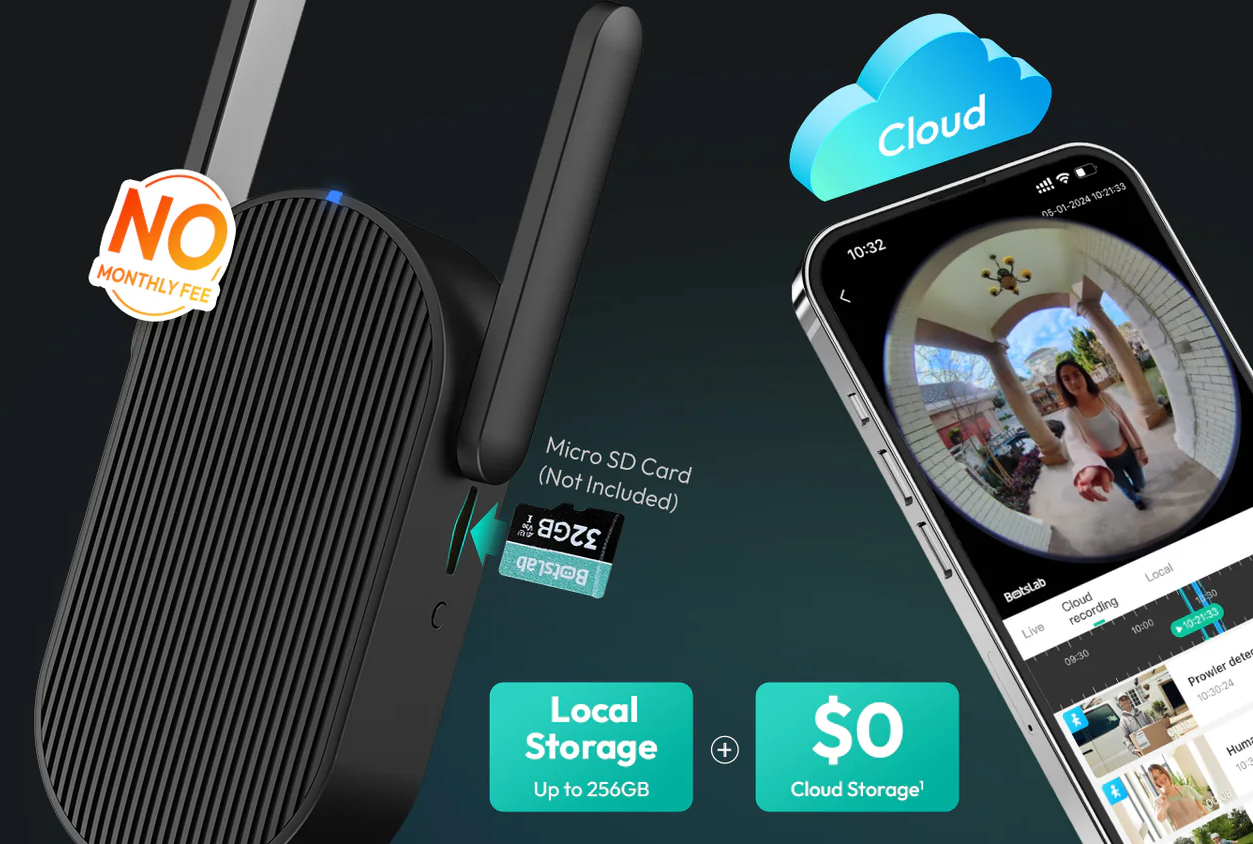
- Local Storage: A microSD card slot allows you to store recordings directly on the camera. This avoids monthly fees and keeps your data entirely within your control. The main drawback is the risk of the camera (and the footage) being stolen or damaged.
- Cloud Storage: This option automatically uploads your footage to a secure, encrypted server. Your recordings are safe even if the camera is stolen, and you can access them from anywhere. Most brands offer this as a subscription service with varying tiers of storage history and features.
Many of the best cameras offer both options, giving you the flexibility to use a microSD card as a backup to the cloud.
How Do You Select the Right Camera for Your Specific Climate?
Choosing the perfect camera involves matching its specifications to your local weather patterns. A camera that excels in Arizona's heat might struggle in a Minnesota winter. Here’s how to tailor your choice.
For Regions with Heavy Rain and Humidity
In areas like the Pacific Northwest or the Southeast, water ingress is the primary concern. An IP67 rating is highly recommended here, as it provides a superior seal against driving rain and high humidity. An IP66 rating is also a very strong choice for these environments. Ensure all cable connections are properly weatherproofed and check for features like a hydrophobic lens coating that helps shed water droplets to maintain a clear view.
For Locations with Frigid Winters and Snow
If you face sub-zero temperatures, the low-end of the operating temperature range is your most important spec. A camera rated to -4°F (-20°C) is a good start, but for truly arctic climates, seek out models tested for even colder conditions. For battery-powered models, be aware that cold temperatures will reduce battery efficiency, so plan for more frequent recharges or opt for a hardwired or solar-supplemented solution.
For Areas with Scorching Summers and Direct Sun
In desert climates or locations with intense sun exposure, heat is the enemy. Prioritize a camera with a high maximum operating temperature (122°F / 50°C or more). The camera's housing is also critical. A light-colored body made from UV-resistant polycarbonate will reflect sunlight and resist becoming brittle over time. Whenever possible, install the camera under an eave or overhang to shield it from direct, prolonged sun exposure.












Share:
What Are the Top 10 Best Outdoor Security Cameras Utilizing AI Object Recognition?
Which Security Camera Brands Are Leading the Market in Cybersecurity Standards?