

The best dash cam for truckers requiring multiple camera channels is a system offering at least 3 to 4 channels with superior video resolution (Full HD 1080p or 4K), exceptional night vision, a large and reliable storage capacity, and a robust build designed to withstand the rigors of commercial driving. Essential features include a wide dynamic range (WDR) for clear footage in varied lighting, a G-sensor for automatic incident recording, and a durable design that can handle constant vibration and temperature fluctuations inside a truck cab.

Table of Contents
- Why Do Professional Truckers Need More Than a Single-Lens Dash Cam?
- What Are the Different Types of Multi-Channel Dash Cam Systems?
- What Critical Features Should Truckers Prioritize in a Multi-Channel System?
- How Does Video Resolution and Image Quality Impact a Trucker's Needs?
- Why is Reliable Storage and Loop Recording Non-Negotiable?
- What Role Do G-Sensors and Parking Mode Play in Asset Protection?
- How Do Advanced Features like GPS and ADAS Enhance a Trucker's Job?
- Are There Legal and Privacy Considerations for Multi-Camera Setups?
- What Are the Installation and Power Requirements for Commercial Trucks?
- Which Multi-Channel Dash Cam System Delivers the Best Value and Performance?
Why Do Professional Truckers Need More Than a Single-Lens Dash Cam?
For a professional trucker, the road is their office, and a commercial vehicle is a significant asset. A standard, single-lens dash cam that only records the view ahead is insufficient. The operational realities of driving a large truck—from navigating tight urban spaces to managing massive blind spots—necessitate a more comprehensive surveillance solution. Multi-channel systems provide a full-circle view of the vehicle, which is indispensable for liability protection. In the event of a sideswipe, a questionable lane change incident, or a rear-end collision, having video evidence from multiple angles can be the deciding factor in an insurance claim or legal dispute, protecting the driver's commercial driver's license (CDL) and the company's reputation.
Beyond accident documentation, these systems are vital for security and operational awareness. Side-mounted cameras monitor for potential theft or vandalism during stops, especially when carrying high-value cargo. An interior-facing camera can verify driver behavior, deter distractions, and serve as a valuable training tool for new drivers. For owner-operators and fleet managers alike, a multi-camera setup is not a luxury; it's a fundamental tool for risk management, asset protection, and ensuring a safer operating environment. It provides irrefutable evidence against false accusations and helps document the professionalism and skill required to operate a heavy vehicle safely.
What Are the Different Types of Multi-Channel Dash Cam Systems?
The term "multi-channel" refers to any dash cam system that utilizes more than one camera lens to record different views simultaneously. These systems are designed to eliminate blind spots and provide a complete record of events surrounding the vehicle. The configuration you choose depends on your specific needs, vehicle type, and security priorities.
2-Channel Systems: Front and Interior/Rear Views
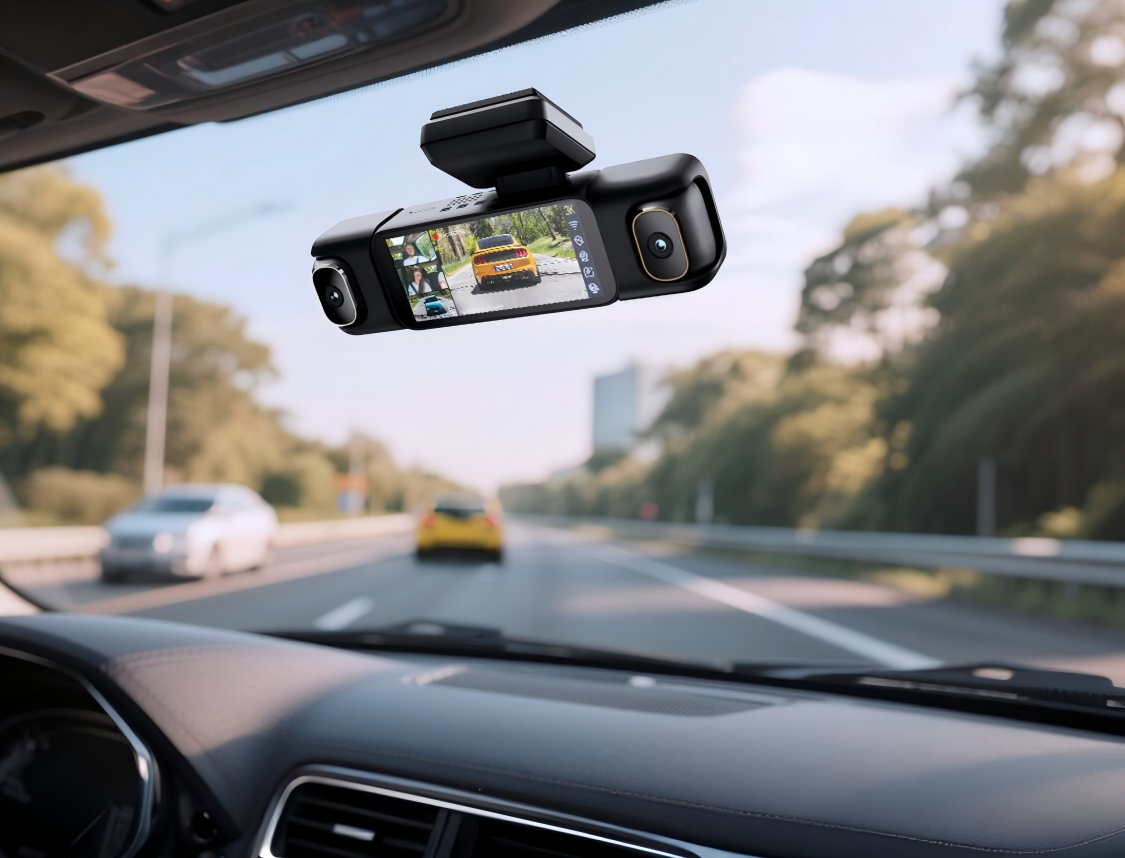
A 2-channel, or dual-channel, system is the most common step up from a basic dash cam. The typical setup includes a primary front-facing camera and a secondary camera. This second unit can be configured in two ways. The most popular for professional drivers is an interior-facing camera, which records the driver and the cab. This is crucial for monitoring driver alertness and providing context during an incident. Alternatively, the second camera can be mounted to face the rear, documenting activity directly behind the trailer. While better than a single camera, a 2-channel system still leaves the large sides of a tractor-trailer unmonitored.
3-Channel Systems: Comprehensive Forward, In-Cab, and Side/Rear Coverage
A 3-channel system adds another layer of security by recording three viewpoints at once. A common configuration for truckers includes a front-facing camera, an in-cab camera, and a third camera mounted on one of the vehicle's sides, typically the passenger side, to monitor the largest blind spot. This setup is highly effective at capturing common incidents like sideswipes or cars unsafely merging. It provides a more complete narrative of events by showing what is happening in front of, inside, and alongside the truck, offering substantially better protection than a 2-channel unit.
4-Channel Systems and Beyond: The 360-Degree Solution
For ultimate coverage, 4-channel systems are the gold standard for commercial trucking. These setups typically include a front-facing camera, two side-mounted cameras (one for each side of the tractor), and a fourth camera that can be used for the interior, the rear of the trailer, or to monitor cargo. This creates a nearly 360-degree field of view around the cab, virtually eliminating blind spots. Some advanced systems can even support more than four cameras, allowing for dedicated monitoring of fuel tanks, cargo doors, and the rear of the trailer simultaneously. These are true commercial-grade solutions designed for maximum asset and driver protection.
What Critical Features Should Truckers Prioritize in a Multi-Channel System?
Selecting the right system involves more than just counting the number of cameras. Professional drivers must look for specific features that ensure reliability, clarity, and usability in a demanding commercial environment. Not all multi-channel dash cams are built for the long haul, so prioritizing these features is key to making a sound investment.
The hardware's durability is paramount. A truck's cab experiences constant vibration and significant temperature swings, from freezing nights to sun-baked days. A consumer-grade dash cam may fail under these conditions. Look for systems that specify a wide operating temperature range and are built with high-quality components. Features like Wide Dynamic Range (WDR) and superior night vision are also non-negotiable. WDR helps balance light and dark areas in a single frame, preventing silhouettes against a bright sky or washed-out details from headlights. Excellent infrared night vision for interior and exterior cameras ensures that clear footage is captured 24/7, whether on the road or parked.
| Feature | Why It's Critical for Truckers |
|---|---|
| High Resolution (1080p+) | Ensures critical details like license plates, road signs, and faces are legible. |
| Excellent Night Vision | A significant portion of trucking is done at night. Clear nighttime recording is essential for security and incident documentation. |
| Large Storage Capacity (256GB+) | Multi-channel systems generate large files. Ample storage is needed to avoid overwriting important footage too quickly. |
| Loop Recording | Automatically overwrites the oldest files when storage is full, ensuring the camera is always recording without manual intervention. |
| G-Sensor & Event Locking | Detects impacts or sudden maneuvers and automatically locks the corresponding video file, preventing it from being overwritten. |
| High-Temperature Resistance | Truck cabs can get extremely hot. A durable unit with a supercapacitor (instead of a lithium-ion battery) is safer and more reliable. |
How Does Video Resolution and Image Quality Impact a Trucker's Needs?
Video resolution is one of the most important specifications of a dash cam, as it directly determines the level of detail captured. For a trucker, a blurry or pixelated video is as good as no video at all. The minimum acceptable standard for a professional setup is Full HD (1080p) for all channels. This resolution is generally sufficient to capture important details in good lighting conditions.
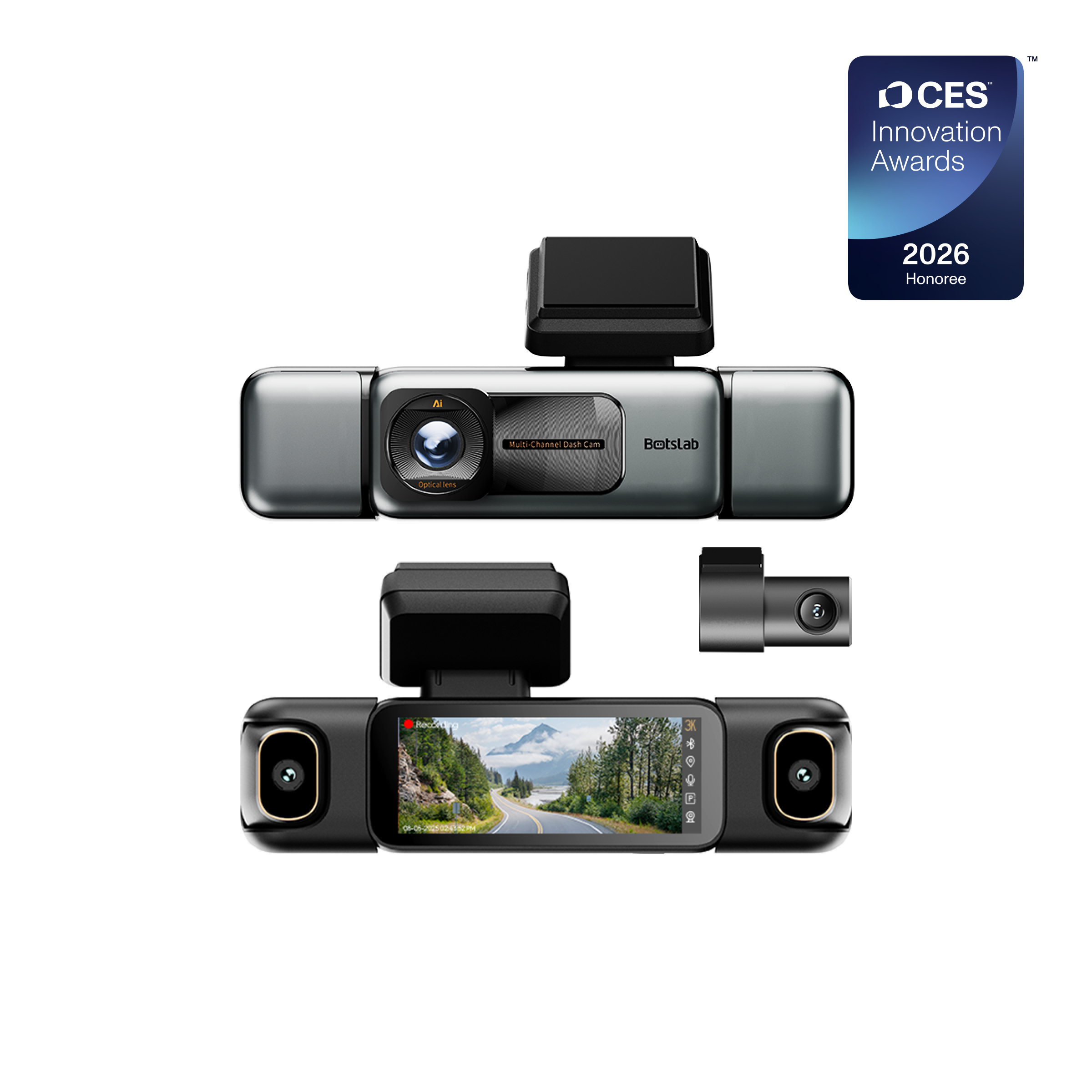
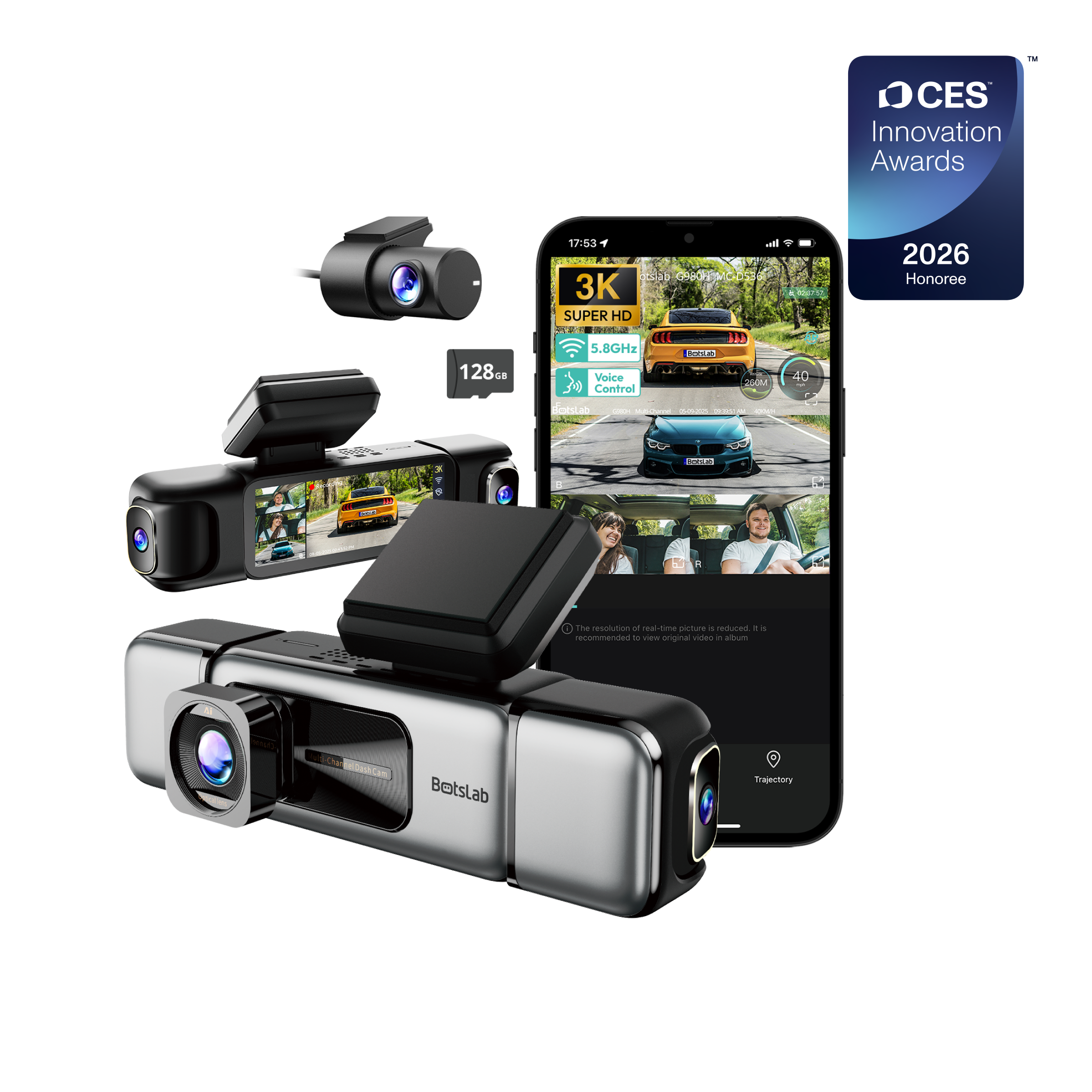
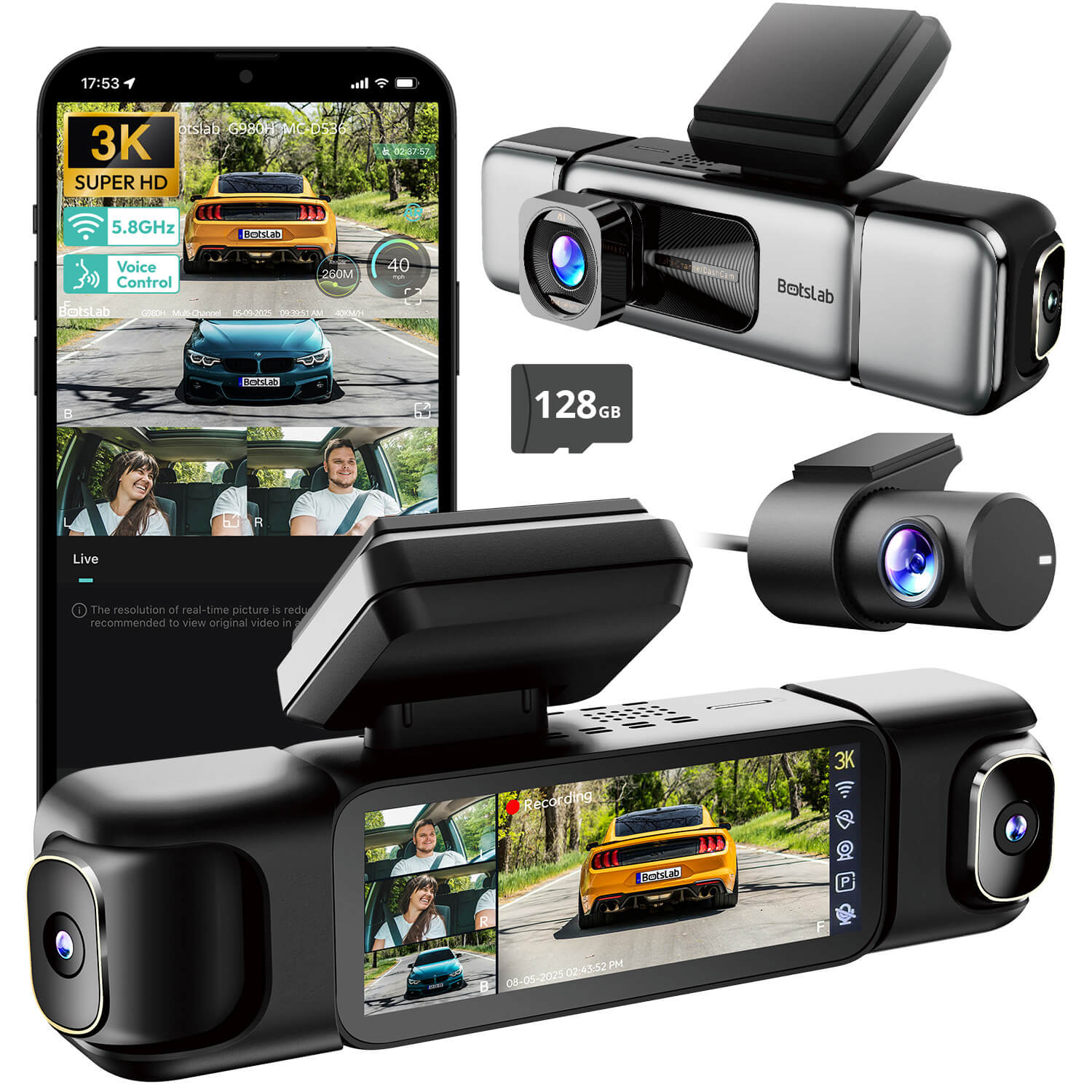
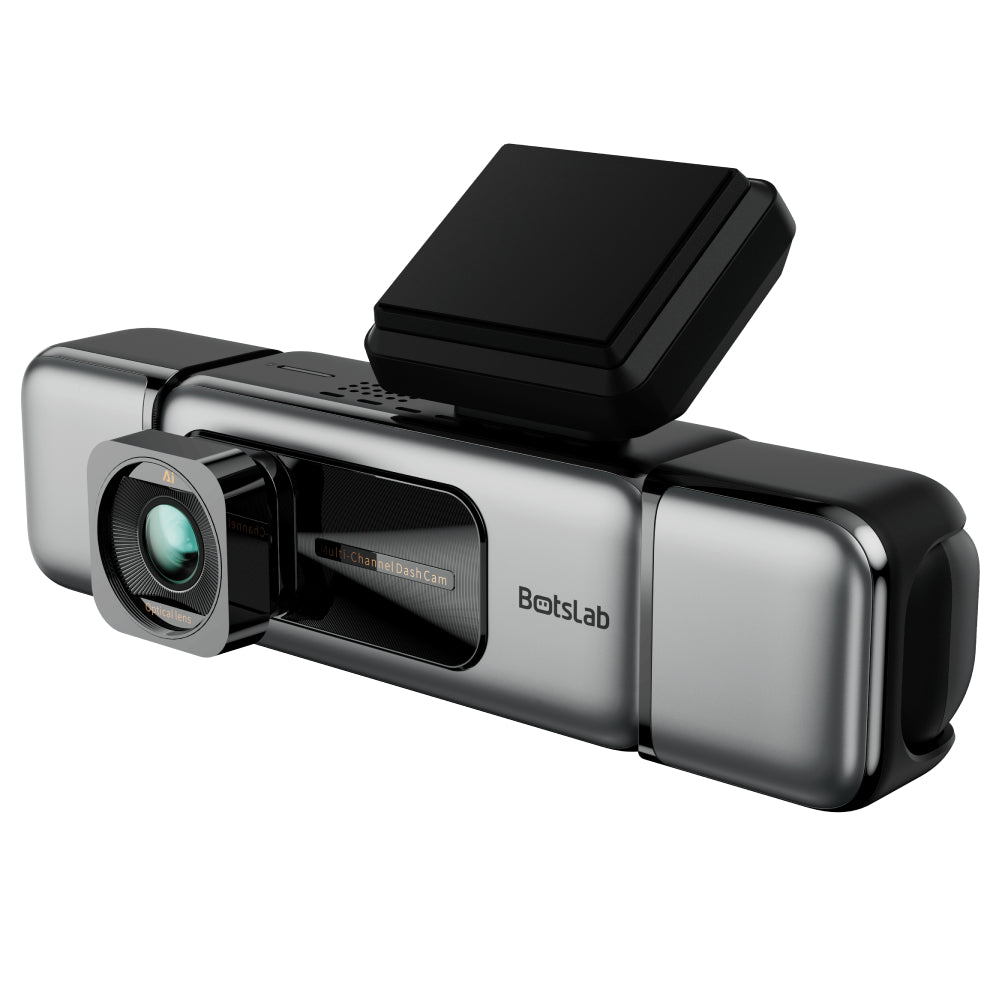
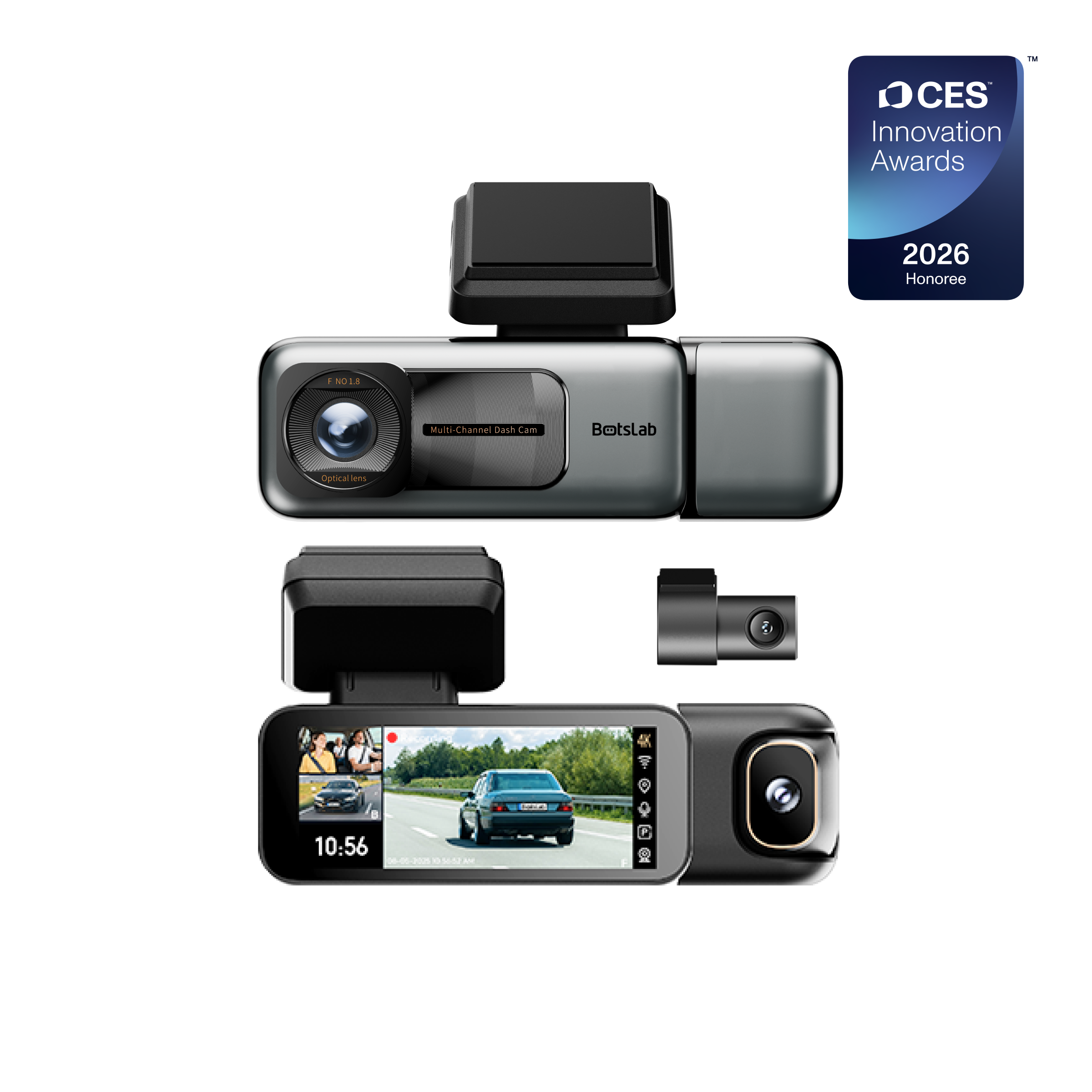
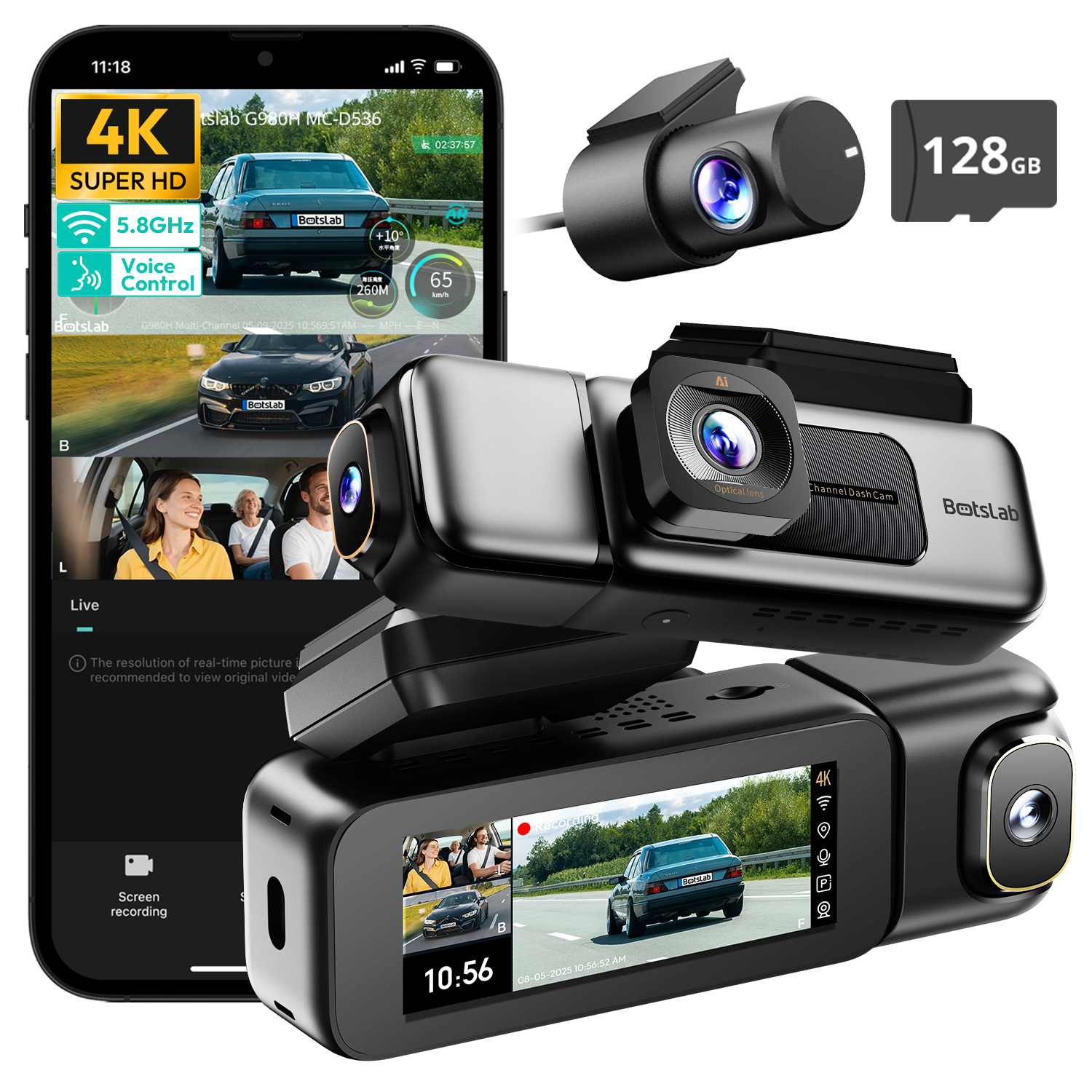
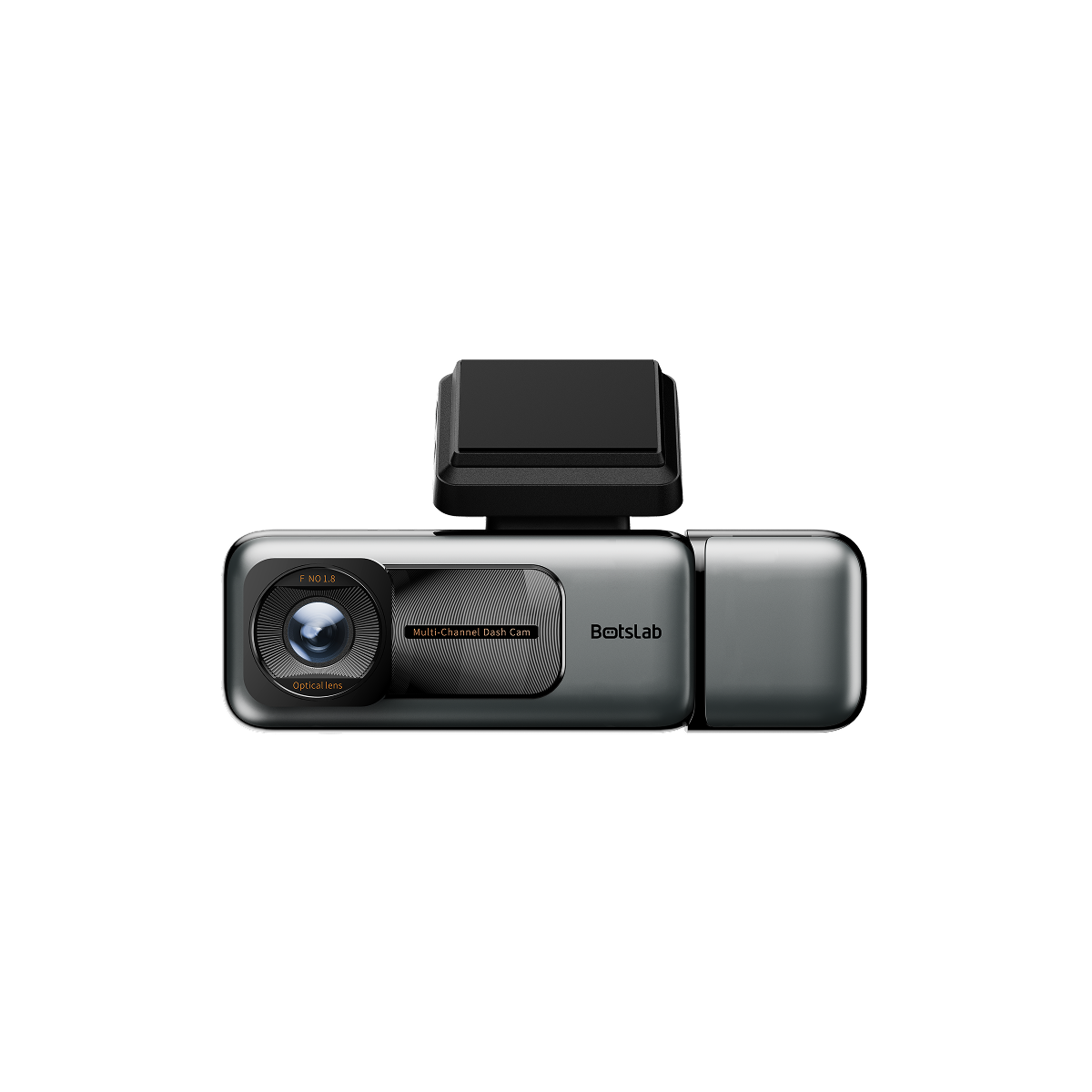
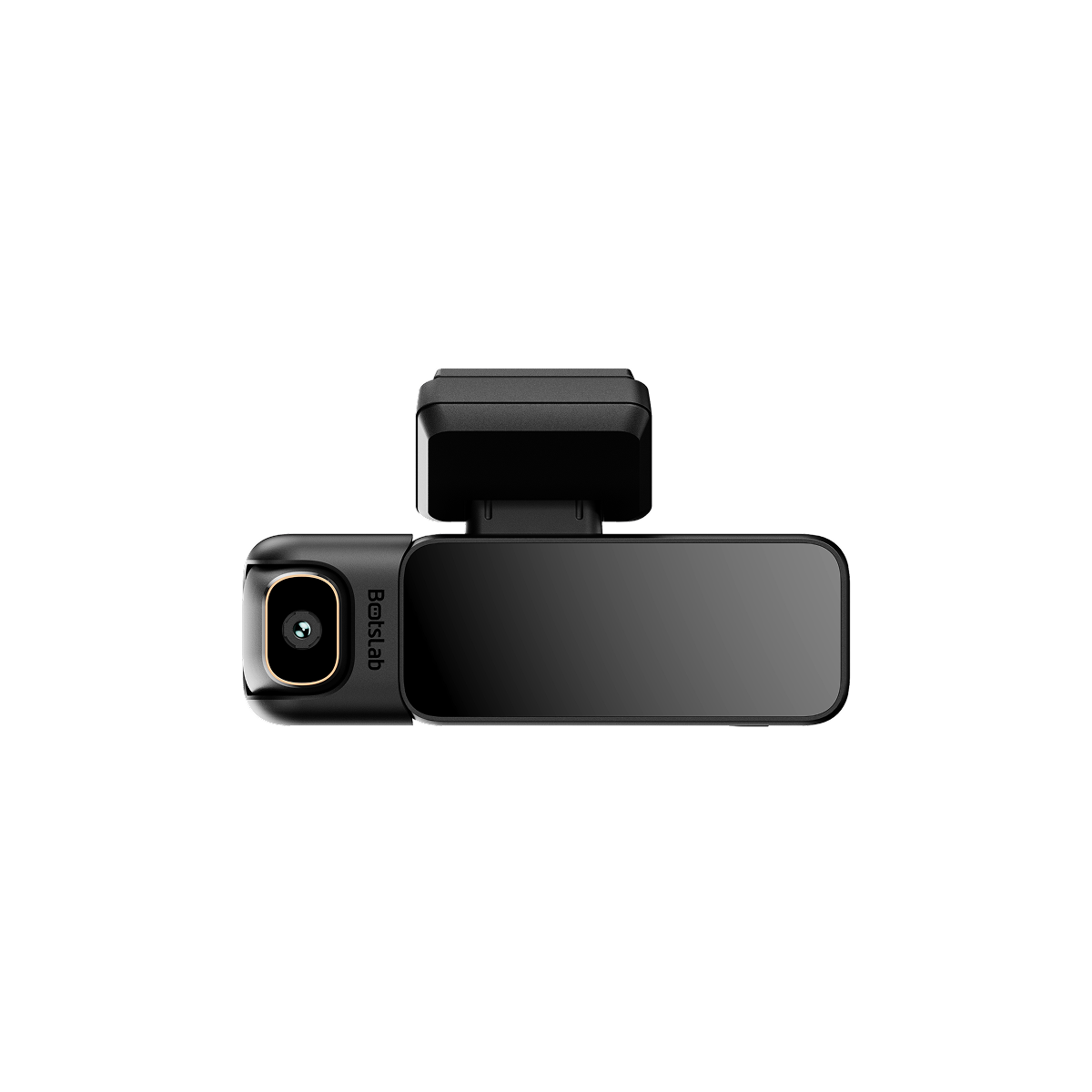
However, for maximum clarity and evidentiary value, a system with a 4K Ultra HD (2160p) front camera offers a significant advantage. The increased pixel density allows you to zoom into a video clip without it becoming distorted, making it far easier to read license plates from a greater distance or identify small details on the road. When an incident occurs, this level of detail can be the difference between a clear-cut case and an ambiguous one. Advanced systems, such as the Botslab G980 4K, pair a 4K front camera with a 1080p rear camera, delivering an optimal balance of ultra-high-definition forward recording and high-quality secondary coverage. This ensures that the most critical view is captured with the highest possible fidelity.
Why is Reliable Storage and Loop Recording Non-Negotiable?
A dash cam is only effective if it's recording when you need it. Continuous recording over long drives generates massive amounts of video data, especially with 3 or 4 channels running simultaneously. A 4-channel system recording in 1080p can easily consume over 20GB of data per hour. This makes storage management a critical concern for truckers on long-haul routes.
This is where two features become essential: loop recording and large storage capacity. Loop recording is a standard feature that automatically overwrites the oldest, non-protected video files once the memory card is full. This creates a seamless, continuous recording cycle without any need for the driver to manually clear storage. To support this, the system must be compatible with large-capacity microSD cards, typically 256GB, 512GB, or even higher. Using a high-endurance microSD card specifically designed for constant rewriting is also crucial, as standard cards can fail quickly under the intense workload of a multi-channel dash cam.
What Role Do G-Sensors and Parking Mode Play in Asset Protection?
A trucker's vehicle is their livelihood, and it's vulnerable even when parked. G-sensors and parking mode are security features that extend protection beyond driving. The G-sensor, or accelerometer, detects sudden changes in motion, such as an impact, hard braking, or a sharp swerve. When triggered, it automatically locks the current video segment (e.g., 10 seconds before and 20 seconds after the event), placing it in a protected folder so it cannot be overwritten by loop recording. This ensures that critical incident footage is always preserved.
Parking mode takes this protection a step further. When the ignition is off, the dash cam enters a low-power, standby state. If the G-sensor detects an impact—such as another vehicle hitting the truck in a parking lot or a vandal attempting a break-in—the camera instantly wakes up and records the event. Advanced parking modes can also use motion detection or time-lapse recording to monitor the surroundings continuously while parked. For a trucker who often has to park in unfamiliar or unsecured locations, this feature is invaluable for documenting theft, vandalism, or hit-and-runs that occur overnight or during a rest stop.
How Do Advanced Features like GPS and ADAS Enhance a Trucker's Job?
Modern dash cams have evolved from simple recording devices into intelligent co-pilots. Two of the most beneficial advanced features for professional drivers are integrated GPS and Advanced Driver Assistance Systems (ADAS). GPS logging embeds crucial data into the video file, including the vehicle's precise location, speed, and direction of travel. In the event of an incident, this information provides indisputable context, confirming that the driver was adhering to speed limits and was where they were supposed to be. For fleet management, it also allows for route tracking and verification of delivery times.
ADAS functions as an extra set of eyes on the road, using the camera to monitor the driving environment and provide real-time alerts. Common ADAS features include Forward Collision Warnings (FCW), which alert you if you are approaching the vehicle ahead too quickly, and Lane Departure Warnings (LDW), which sound an alarm if you drift out of your lane without signaling. While no substitute for an alert driver, these systems can help combat fatigue on long, monotonous stretches of highway. Premium dash cams from innovative brands like Botslab often incorporate these smart features, adding a significant layer of proactive safety to their core function of video recording.
Are There Legal and Privacy Considerations for Multi-Camera Setups?
While dash cams are legal in most places, the addition of an interior-facing camera and audio recording introduces legal and privacy considerations that every professional driver and fleet owner must understand. Federal law in the United States requires only one-party consent for recording conversations, but about a dozen states have two-party consent laws, meaning all parties in a conversation must agree to be recorded. To avoid legal issues, it is best practice to either disable audio recording or clearly inform any passenger in the cab that audio and video are being recorded. Many companies accomplish this with a simple sticker placed visibly on the dashboard or passenger-side window.
For fleet vehicles, transparency with drivers is paramount. Companies should have a clear, written policy outlining what is being recorded (video, audio, location, speed), how the data will be used (for accident investigation, training, etc.), and who has access to it. This fosters trust and ensures compliance with labor regulations. It's also important to be aware of any company-specific or customer-specific rules, as some facilities or shippers may prohibit video recording on their property. Being informed and transparent is the best way to leverage the benefits of a multi-channel system without running into legal or privacy-related trouble.
What Are the Installation and Power Requirements for Commercial Trucks?
Installing a multi-channel dash cam in a commercial truck is more involved than in a passenger car. The system requires a constant and reliable power source, and running cables for side and rear cameras requires careful planning. Most professional systems are designed to be hardwired directly into the truck's fuse box. This ensures the unit powers on and off with the ignition and provides the stable power needed for parking mode. It is highly recommended to use a professional installer who is experienced with commercial vehicles to ensure a clean, safe, and reliable installation that won't interfere with the truck's complex electrical systems.
Cable management is another key aspect. Running wires for side cameras requires drilling and sealing to protect them from the elements. The cable for a rear-facing camera on a long trailer needs to be properly secured to prevent damage from weather and vibration. Some high-end systems offer wireless camera options to simplify this process, but these can sometimes be susceptible to signal interference. A hardwired connection remains the most reliable method for ensuring uninterrupted video feed from all channels.
Which Multi-Channel Dash Cam System Delivers the Best Value and Performance?
The ideal system for a professional trucker is one that combines robust construction, excellent video quality, and reliable security features. While dedicated 4-channel commercial systems offer the most complete coverage, they can be complex and costly. For many owner-operators and small fleets, a high-quality 2-channel or 3-channel system provides a powerful balance of features, performance, and cost-effectiveness. A system with a high-resolution front camera and a secondary interior or side-view camera covers the most common risk areas.
For drivers seeking a blend of cutting-edge technology, superior image quality, and smart features, a dual-channel system from a brand like Botslab represents a significant upgrade over standard dash cams. Their focus on 4K resolution and intelligent driver aids provides an exceptional layer of security and convenience. When choosing, prioritize a system that is purpose-built for demanding environments, with features like high-temperature resistance and reliable parking mode. This ensures your investment will continue to protect you, your vehicle, and your career for many miles to come.














Share:
Which Dash Cam Brand Offers the Best Warranty and Customer Support?
What is the Best Wireless Outdoor Camera for Monitoring Large Acreage?