

The best battery-powered video doorbells that can be hardwired are hybrid models offering maximum installation flexibility and operational reliability. These dual-power devices function perfectly on a long-lasting rechargeable battery but can also connect to existing low-voltage doorbell wiring. This hardwired connection provides a continuous trickle charge to the battery, eliminating the need for manual recharging and unlocking advanced features like pre-roll video capture for more comprehensive security monitoring. Additionally, hybrid models ensure seamless operation even during power outages, as the battery serves as a reliable backup, maintaining your home's security without interruption.

Table of Contents
- Why Choose a Video Doorbell with Both Battery and Hardwired Options?
- What Key Features Should You Look for in a Dual-Power Doorbell?
- How Do You Install a Battery-Powered Doorbell with Hardwiring?
- Which Brands Offer Top-Rated Hybrid Video Doorbells?
- What Are the Common Misconceptions About Dual-Power Doorbells?
- Additional Tips for Choosing and Maintaining Your Doorbell
Why Choose a Video Doorbell with Both Battery and Hardwired Options?
The primary advantage of a hybrid video doorbell is unmatched flexibility. For homeowners with existing doorbell wiring, a hardwired connection offers a "set it and forget it" experience, providing constant power and eliminating battery concerns. For renters or individuals in homes without pre-existing wiring, the battery-powered option allows for a simple, drill-free installation using mounting brackets or adhesive. This dual-capability means the device adapts to your living situation, not the other way around, making it ideal for both temporary and permanent setups.

Hardwiring a compatible battery-powered video doorbell ensures uninterrupted power. The constant trickle charge keeps the battery topped off, meaning you never have to worry about downtime for recharging. This is especially critical during periods of high activity, such as holidays or when you're away on vacation. Furthermore, in the event of a power outage, the internal battery takes over, ensuring your front door remains monitored without any lapse in security. This redundancy enhances reliability, particularly in areas prone to weather-related disruptions.
A consistent power source from hardwiring often unlocks more robust performance features. Many models reserve functionalities like continuous video recording or advanced pre-roll video capture for when they are hardwired. Pre-roll captures several seconds of footage before a motion event is triggered, giving you the full context of what happened, rather than just the event itself. This can be the difference between seeing a person approaching your porch versus only seeing their back as they walk away. In essence, hybrid doorbells combine the convenience of wireless tech with the stability of wired systems, offering peace of mind in diverse scenarios.
What Key Features Should You Look for in a Dual-Power Doorbell?
When selecting a hybrid video doorbell, it is essential to look beyond the power source and evaluate the features that determine its day-to-day performance and utility. Prioritizing aspects like video quality, intelligent detection, and integration can significantly enhance your home security experience.
Video Resolution and Field of View
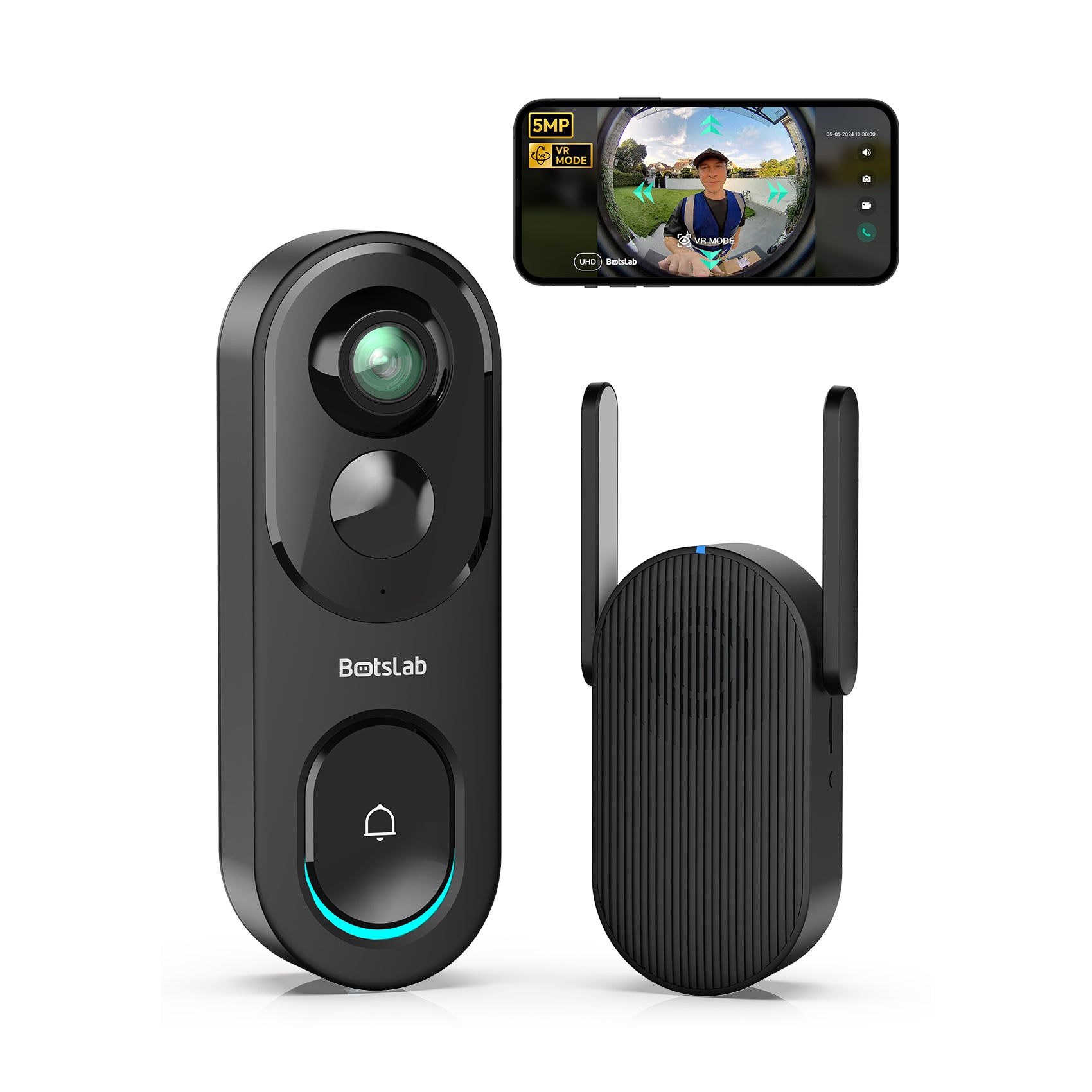
Video clarity is paramount for a security device. Resolution determines the level of detail in the footage. While 1080p (Full HD) is a common standard, superior models now offer 2.5K or even 4K resolution, often backed by high-megapixel sensors like 5MP for sharper images. Higher resolution allows you to zoom in on details like faces, license plates, or clothing patterns with greater clarity, which can be crucial for identifying individuals or gathering evidence if needed. For instance, a 5MP sensor ensures crisp footage even in zoomed views, reducing pixelation.

The field of view (FOV) dictates how much of your entryway the camera can see. A wider, taller aspect ratio, such as a head-to-toe view or panoramic modes, is preferable. It ensures you can see not only a visitor's face but also any packages left on the ground directly below the doorbell. Some advanced doorbells even utilize dual lenses—one for visitors and another aimed downwards at your doorstep—or offer multiple viewing modes like Panoramic, VR, Horizontal Correction, and Vertical Correction for comprehensive coverage without blind spots.
Advanced Motion Detection and AI
Modern video doorbells have moved beyond simple motion sensing, which can be prone to false alerts from passing cars, swaying trees, or animals. Look for models with Artificial Intelligence (AI) powered detection. These smart systems can differentiate between people, packages, animals, and vehicles, allowing you to customize your notifications so you are only alerted to the events that truly matter. Advanced features like radar and PIR (Passive Infrared) sensors further improve accuracy by combining multiple detection technologies.
Leading-edge devices, such as the Botslab Video Doorbell series, leverage sophisticated AI algorithms to provide highly accurate alerts. Features like Human Detection, Package Detection, and customizable activity zones minimize irrelevant notifications and ensure you are promptly informed of a visitor's arrival or a delivery, enhancing both security and convenience. This AI integration not only saves time but also conserves battery life by reducing unnecessary recordings.
Night Vision Capabilities
Your doorbell needs to perform just as well after dark. There are two main types of night vision: infrared (IR) and color. Infrared night vision produces a black-and-white image, which is clear but lacks color detail, making it reliable in complete darkness. Color night vision uses ambient light or a small, built-in spotlight to record full-color video at night. This provides significantly more detail, making it easier to identify clothing colors or other distinguishing features of a person or vehicle. Opt for models with IR cut filters for seamless day-to-night transitions and enhanced low-light performance.
Power Consumption and Battery Life
Even when you plan to hardwire the device, the battery's quality is important for backup purposes. Check the manufacturer's stated battery life, typically measured in months. A larger capacity battery, such as 5200mAh, provides a more robust buffer during power failures, offering up to 150 days of operation on a single charge under typical use. Efficient software, low-power standby modes, and smart power management also contribute to longer operational life between any potential manual charges if used in battery-only mode. Look for models that support quick charging to minimize downtime.
Data Storage Options: Local vs. Cloud
Consider how your video doorbell will store recorded footage. Cloud storage involves a monthly or annual subscription fee to save videos on a remote server. This is convenient and secure from physical theft, with features like encrypted backups and easy access from anywhere. Local storage, often via a microSD card (up to 128GB) in the doorbell or its base station, is a one-time purchase with no recurring fees, ideal for privacy-conscious users. The best option is a device that offers both, giving you the choice to use secure cloud services while having a physical backup. Some models even provide free basic cloud storage, eliminating subscription costs for essential features.
Smart Home Ecosystem Integration
For a seamless smart home experience, ensure the video doorbell is compatible with your existing ecosystem. Integration with platforms like Amazon Alexa or Google Assistant allows you to view the doorbell's live feed on smart displays (like an Echo Show or Google Nest Hub) or receive audible visitor announcements through smart speakers. This connectivity transforms the doorbell from a standalone device into a central part of your connected home. Advanced models may also support IFTTT for custom automations or pair with other security devices for a unified system.
How Do You Install a Battery-Powered Doorbell with Hardwiring?
Installing a hybrid doorbell to existing wiring is a straightforward process for many, but safety should always be the priority. Before beginning, verify that your existing doorbell transformer meets the voltage requirements of the new video doorbell, which is typically between 8-24V AC. This information is usually printed on the transformer itself. If incompatible, an upgrade may be necessary for optimal performance.
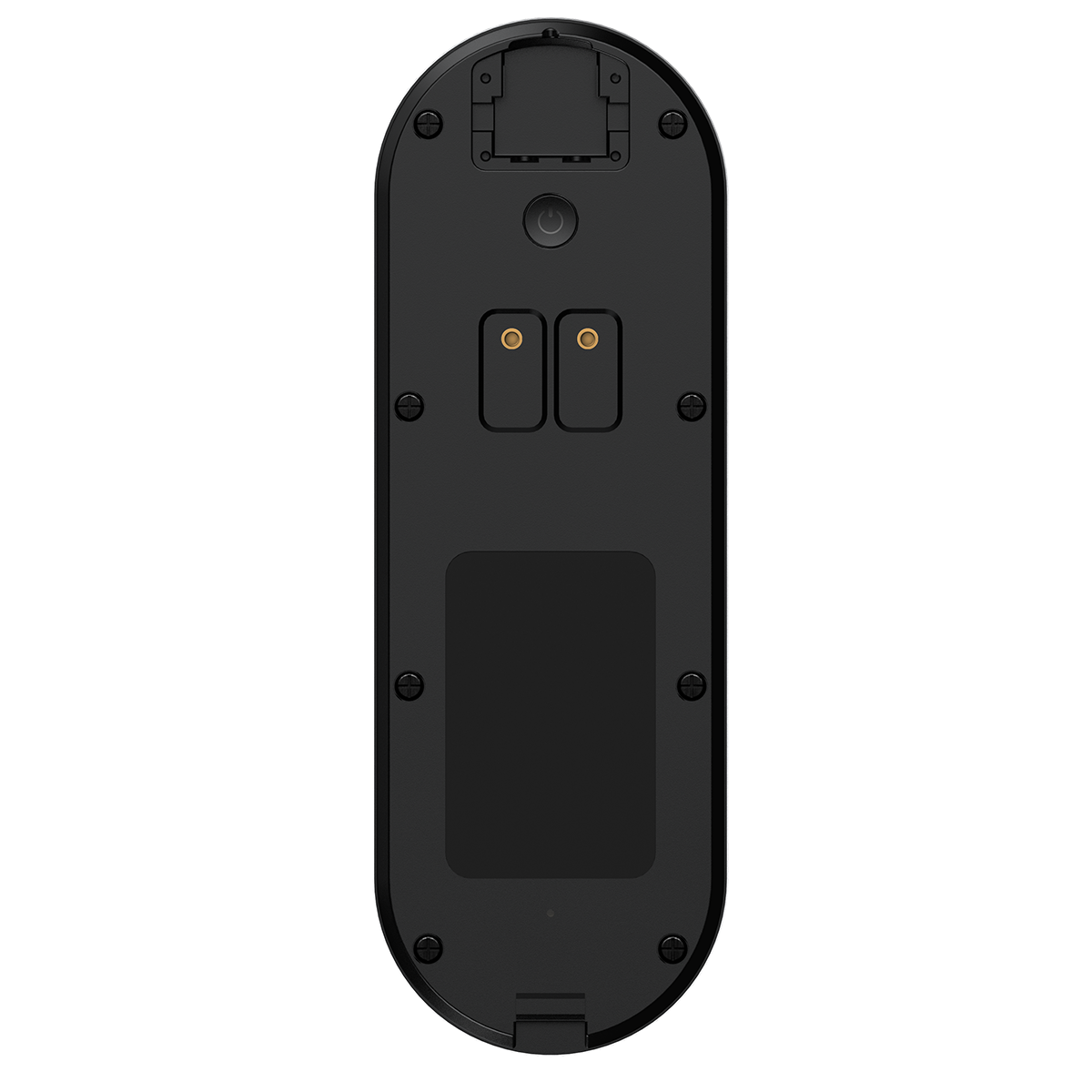
The general installation steps are as follows. First, turn off the power to your doorbell at the circuit breaker. This is a critical safety step to avoid electrical shocks. Next, remove your old doorbell button and disconnect the two low-voltage wires. Mount the new video doorbell's bracket to the wall using screws or adhesive for battery-only setups, connect the two existing wires to the terminals on the back of the new doorbell (ensuring polarity is correct), and then attach the doorbell to its bracket. Finally, restore power at the circuit breaker. The device should power on and begin the in-app setup process, where you'll connect it to your Wi-Fi (2.4GHz recommended for stability).
If you are uncomfortable working with electrical wiring, have an older home where the wiring condition is unknown, or if your transformer is not compatible, it is always best to call a qualified electrician. A professional can ensure the installation is done safely and correctly, and they can upgrade your transformer if necessary. Post-installation, test features like motion detection and two-way audio to confirm everything works seamlessly.
Which Brands Offer Top-Rated Hybrid Video Doorbells?
Several reputable brands have recognized the demand for flexible power options. Companies like Ring, Arlo, and Eufy offer popular models that can operate on battery or be hardwired. These devices vary in resolution, features, and subscription models, so comparing them is key to finding the right fit for your needs. For example, Ring excels in ecosystem integration but often requires subscriptions, while Eufy emphasizes no-fee local storage.
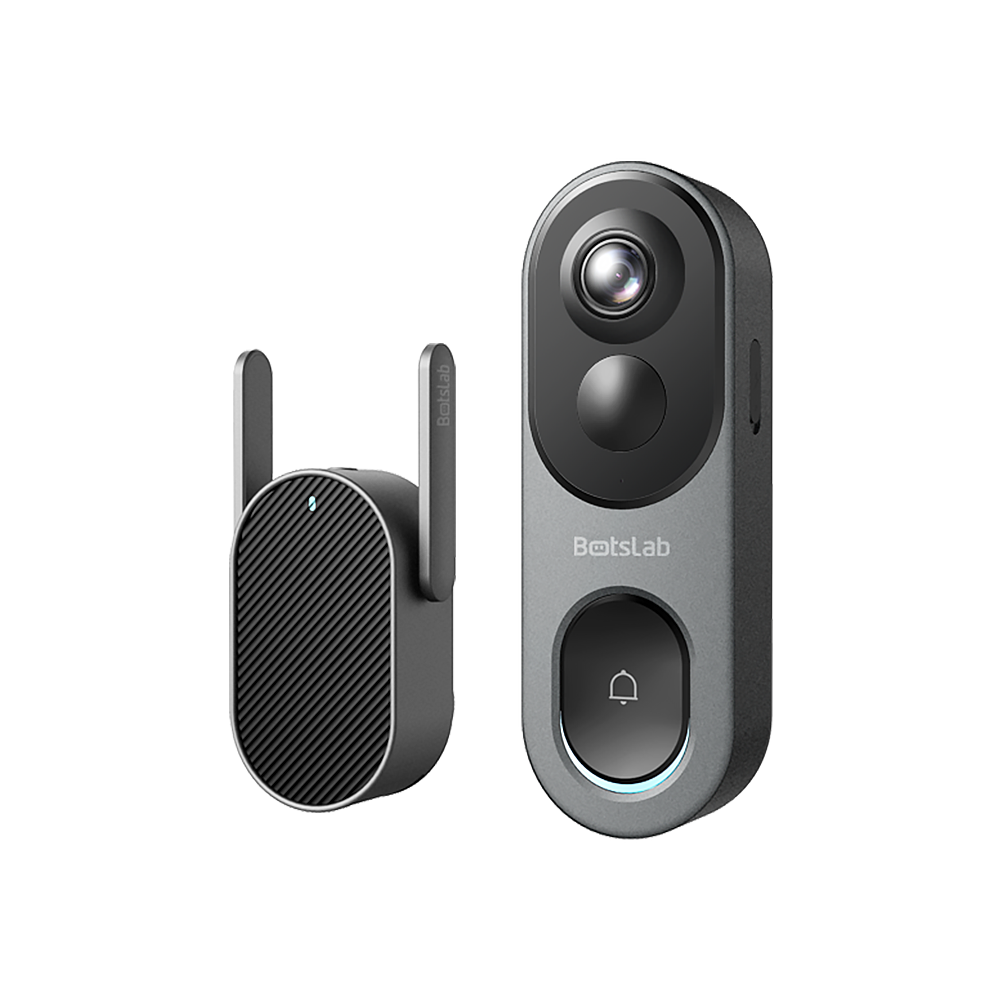
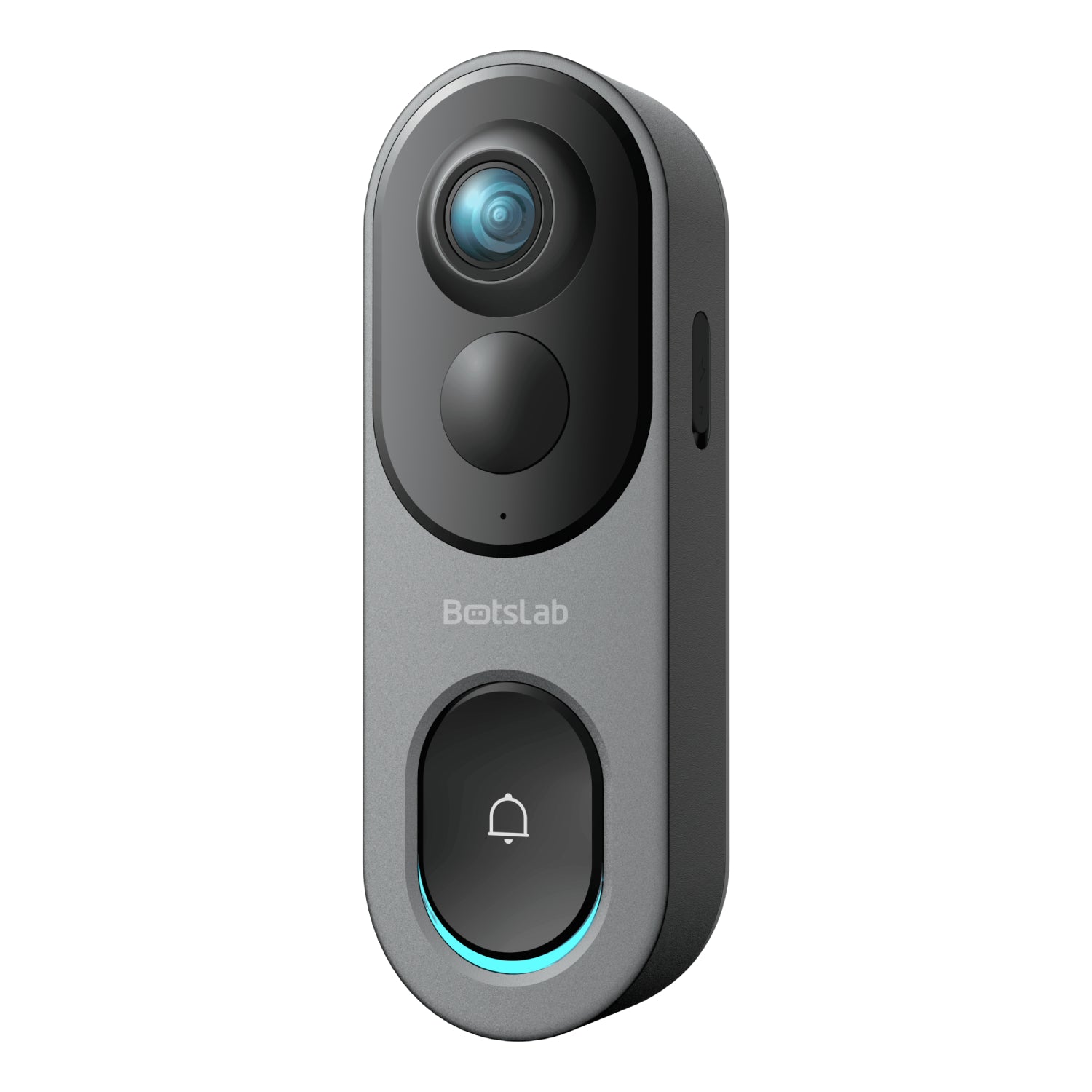
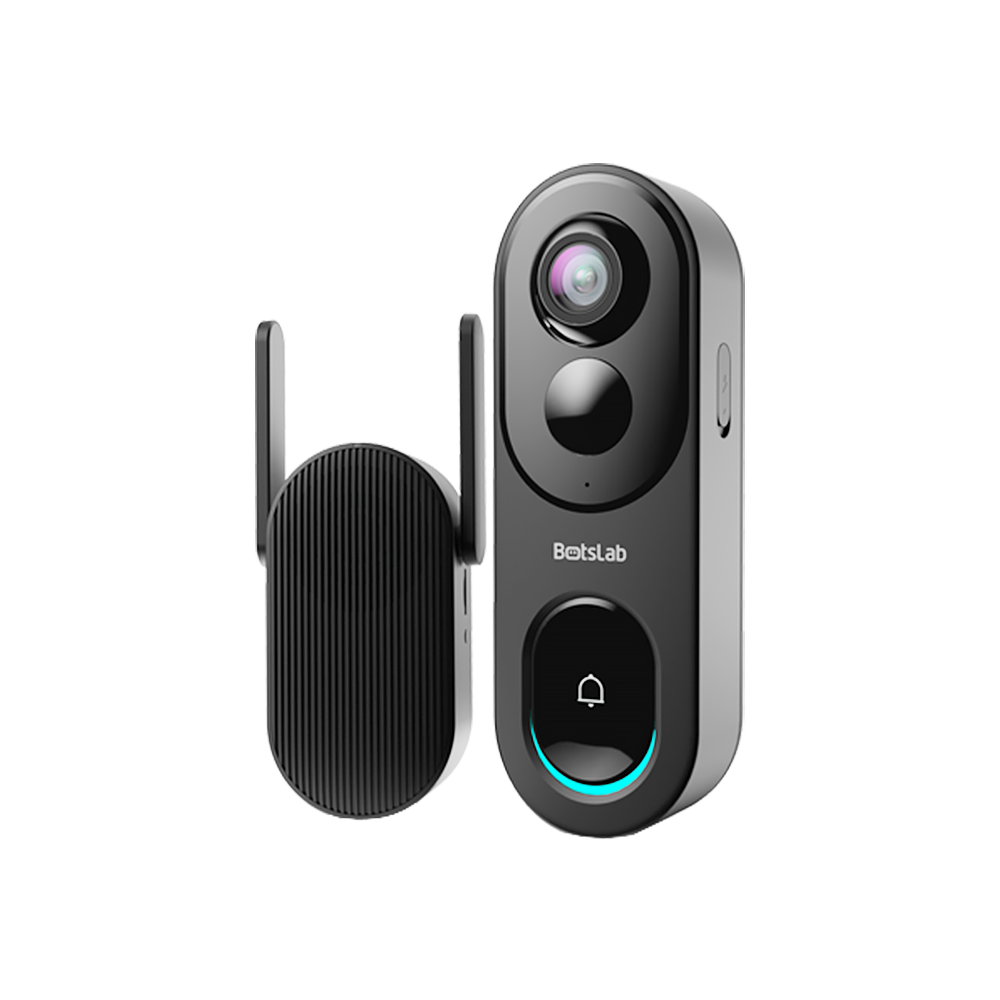
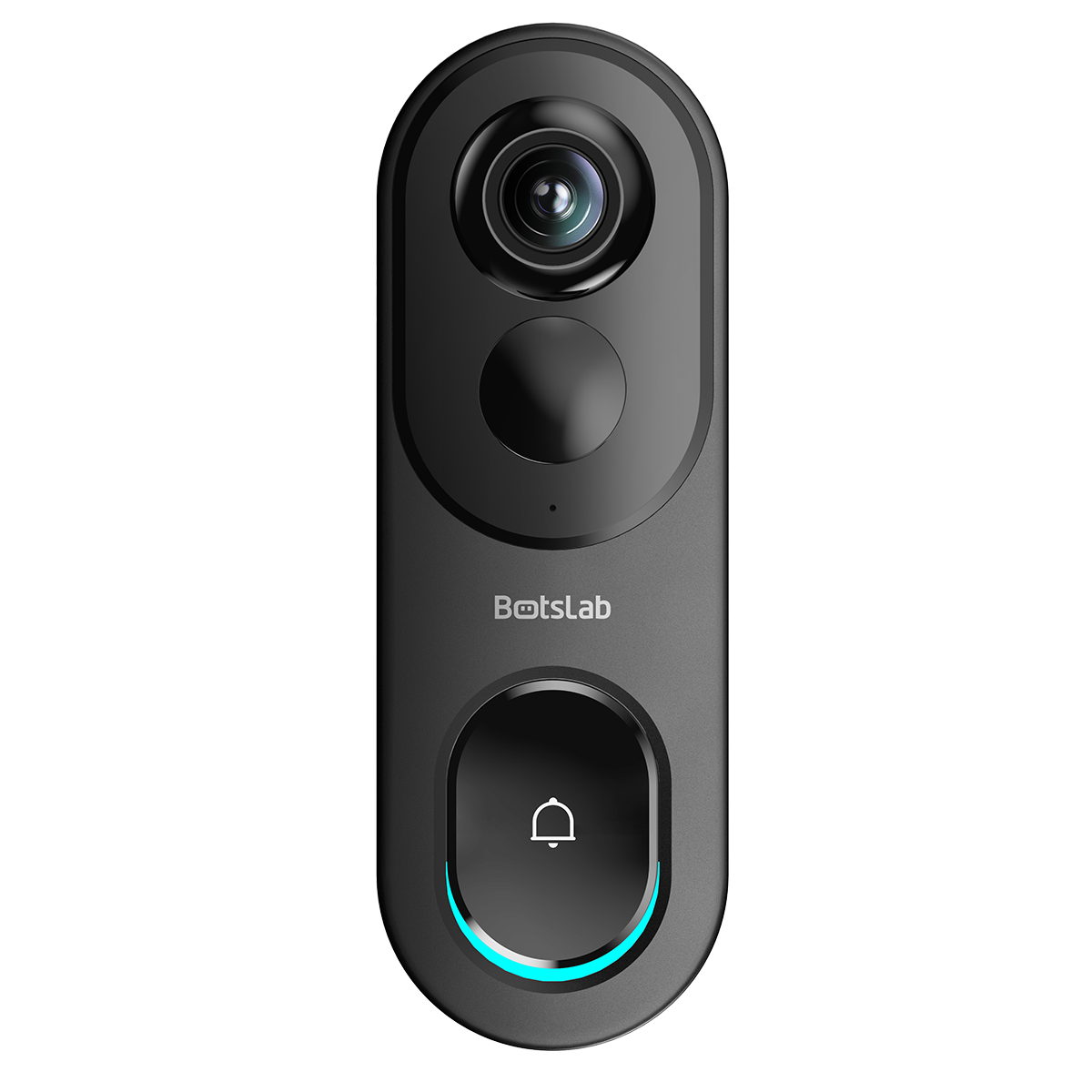
However, emerging innovators are pushing the boundaries of what these devices can do. The Botslab Video Doorbell R810, for instance, is a standout contender. It not only provides the dual-power flexibility central to this discussion but also elevates the user experience with its unique dual-camera system and stunning 2.5K resolution backed by a 5MP sensor. The forward-facing camera captures visitors in exceptional detail, while a second, downward-angled camera specifically monitors packages on your doorstep, eliminating the common blind spot of traditional doorbells. Paired with its advanced AI detection, radar/PIR sensors, IP66 weatherproofing, and free cloud storage, it offers a truly comprehensive and intelligent front-door security solution without monthly fees.

| Brand/Model | Max Resolution | Power Options | Storage | Standout Feature |
|---|---|---|---|---|
| Botslab Video Doorbell R810 | 2.5K (5MP) | Battery (5200mAh, 150 days) & Hardwire | Local (MicroSD up to 128GB) & Free Cloud | No Monthly Fees, 150-Day Battery Life & Wired Option, Smart AI Detection with Radar/PIR, Dual-Camera System |
| Ring Battery Doorbell Plus | 1536p HD+ | Battery & Hardwire | Cloud (Subscription) | Head-to-toe view, brand ecosystem |
| Arlo Essential Video Doorbell | 1080p | Battery & Hardwire | Cloud (Subscription) | Wide 180° viewing angle |
| Eufy Video Doorbell 2K | 2K | Battery & Hardwire | Local (Base Station) | No required monthly fees |
What Are the Common Misconceptions About Dual-Power Doorbells?
Several myths persist regarding these versatile devices. Understanding the reality helps in making an informed decision.
One common misconception is that hardwiring makes the battery useless. In reality, the battery becomes a vital uninterruptible power supply (UPS). If your home loses power, the doorbell seamlessly switches to its internal battery, ensuring your security is never compromised. The battery is not redundant; it's a backup that adds layers of reliability.
Another myth is that hardwired installation is prohibitively difficult. While professional help is recommended for those unsure about electrical work, the process for connecting to existing, compatible low-voltage wiring is designed to be a simple DIY project for most people. The terminals are clearly marked, and instructions are typically very clear, often including video tutorials in the app.
Finally, some believe that dual-power models are significantly more expensive than their single-power counterparts. While there can be a slight premium for the added technology and flexibility, the value they provide is substantial. The cost eliminates the need to choose a device based on your home's wiring and provides a future-proof solution that can adapt if you move. The convenience of not having to manually recharge the battery is a significant quality-of-life improvement that many users find well worth the price, especially with models offering free storage and no subscriptions.
Additional Tips for Choosing and Maintaining Your Doorbell
To maximize the benefits of your hybrid video doorbell, consider these practical tips. First, assess your home's Wi-Fi strength at the installation site—opt for a 2.4GHz network for better range and stability. Regularly update the device's firmware through the app to access new features and security patches. For optimal battery performance in wireless mode, position the doorbell away from direct sunlight to prevent overheating. Clean the lens periodically to maintain clear video quality, and test notifications monthly to ensure everything functions as expected. If integrating with other smart devices, explore automation options like linking to smart lights for enhanced deterrence. By following these steps, you'll enjoy a robust, low-maintenance security solution tailored to your needs.













Share:
Which Smart Doorbell Features the Most Reliable Offline/Local Storage?
Best Home Security Cameras of 2025: Why AI and 4K are Game Changers