

The best car camera for extreme wide-angle coverage is one that provides a Field of View (FOV) of 160° or more, with premier models offering 360° panoramic vision. This expansive scope is critical for capturing events across multiple lanes of traffic and in the vehicle's blind spots. For ultimate coverage, a camera must pair its wide lens with high resolution (like 4K) to maintain image clarity and advanced features like night vision and intelligent parking surveillance, ensuring comprehensive protection day and night.

Table of Contents
- What Defines an "Extreme Wide-Angle" Car Camera?
- Why is Comprehensive Coverage Crucial for Modern Drivers?
- What Key Features Complement a Wide-Angle Lens?
- Are There Downsides to an Ultra-Wide Field of View?
- How Do 360° Panoramic Car Cameras Offer Ultimate Coverage?
- What Should You Look For When Choosing Your Camera?
What Defines an "Extreme Wide-Angle" Car Camera?
When searching for a Car Camera, the term "wide-angle" appears frequently, but "extreme wide-angle" signifies a specific class of lens designed for maximum situational awareness. This isn't just a marketing buzzword; it refers to a quantifiable specification that directly impacts your safety and ability to record crucial evidence. A standard lens might capture the car directly in front, but an extreme wide-angle lens is designed to see from shoulder to shoulder of the road.
Understanding Field of View (FOV)
Field of View, or FOV, is the measure of how much of the scene a camera can capture, expressed in degrees. Think of it as the digital equivalent of your peripheral vision. A narrow FOV is like looking through a tube, while a wide FOV is like taking in a whole landscape. For dash cams, a wider FOV means fewer blind spots around the front of your vehicle.
Most dash cams fall into these general categories:
- Standard Angle (120°-140°): Covers the lane you are in and parts of adjacent lanes. This is adequate for basic front-on incident recording.
- Wide-Angle (140°-160°): Provides excellent coverage, typically capturing three to four lanes of traffic. This is a significant upgrade for monitoring traffic merging from the sides.
- Extreme Wide-Angle (160°-180°+): Captures nearly everything in front of the vehicle, from pillar to pillar. This is essential for documenting events at complex intersections, sideswipes, and pedestrians stepping into the road from the curb.
How Does FOV Impact Video Evidence?
Imagine a scenario where a car runs a red light from your far right and causes a multi-car collision. A dash cam with a 130° FOV might only capture the impact itself, failing to record the initial traffic violation that caused it. An extreme wide-angle lens, however, would have captured the offending vehicle long before it entered your immediate path, providing irrefutable proof of fault. The wider the angle, the more complete the story your video evidence tells, which can be invaluable for insurance claims and legal proceedings.
Why is Comprehensive Coverage Crucial for Modern Drivers?
Today's driving environments are more complex than ever. With more cars on the road, distracted drivers, and intricate urban layouts, having a limited view is a significant liability. Comprehensive coverage moves a dash cam from a simple recording device to a proactive safety and security system.
Maximizing Safety and Security
A wider field of view is your first line of defense against threats that don't originate directly in front of you. This includes:
- Sideswipe Incidents: Capturing a vehicle drifting into your lane.
- Parking Lot Damage: Recording a car that backs into your bumper while pulling out of an adjacent spot.
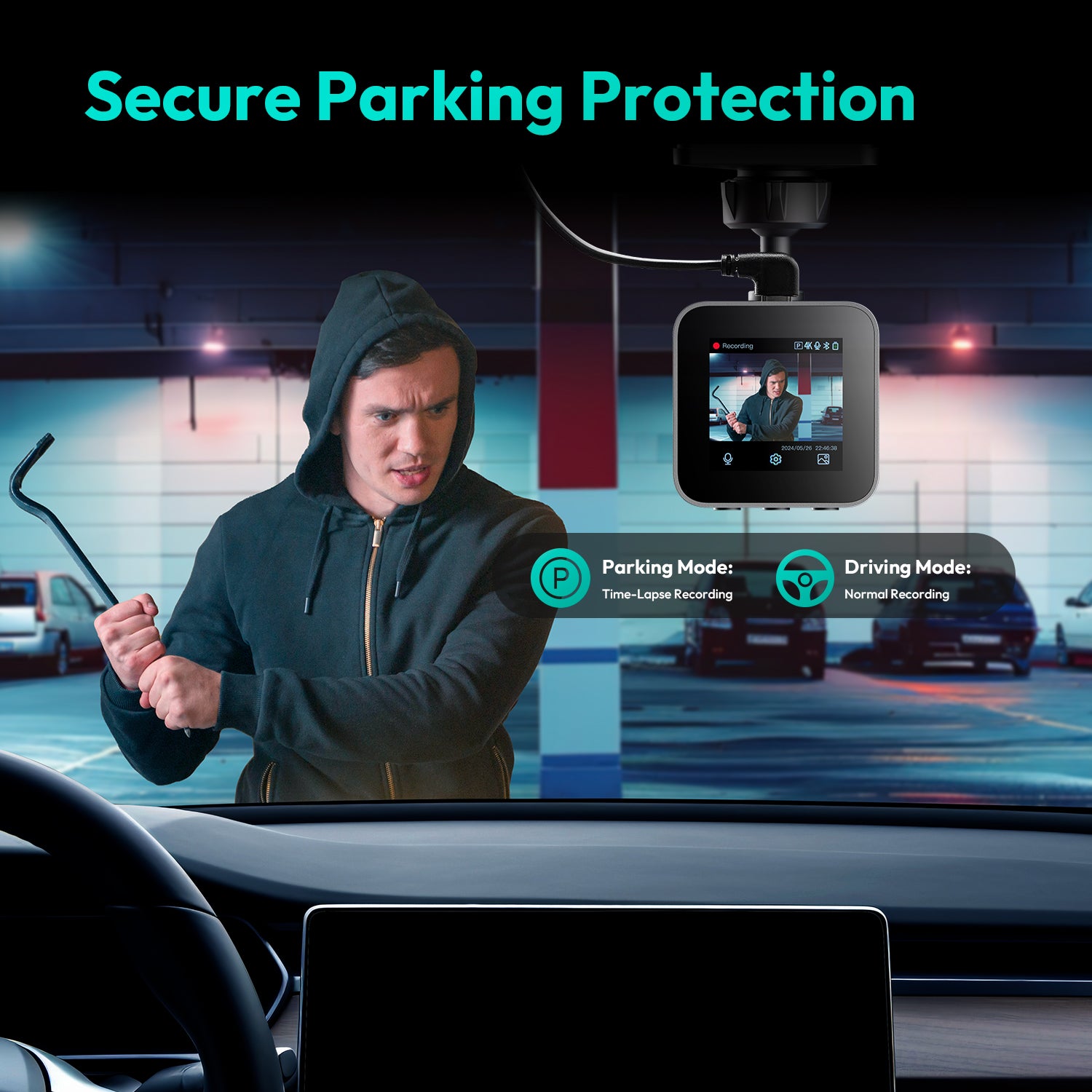
- Vandalism and Theft: A wider angle in parking mode means a higher chance of capturing a perpetrator's face as they approach your vehicle from the side.
The more you can see, the better you can protect yourself and your property, even when you are not in the car.
Capturing the Full Context of an Incident
Fault is not always straightforward. An accident may be the result of a chain reaction that started several lanes over. An extreme wide-angle lens captures this crucial context, showing not just what happened, but why it happened. This complete picture prevents misinterpretation of events and strengthens your position by providing a holistic, unbiased record.
What Key Features Complement a Wide-Angle Lens?
An extreme wide-angle lens is only one part of the equation. To be truly effective, it must be supported by other high-performance technologies. Spreading an image across a very wide frame requires powerful hardware to ensure the details remain sharp and visible.
The Importance of High Resolution (4K and Beyond)
As the FOV increases, the camera's pixels are stretched over a larger area. On a low-resolution camera, this can result in a soft, blurry image, especially at the edges. This is why high resolution is non-negotiable for wide-angle cameras. A 4K (2160p) resolution packs in four times the number of pixels as standard 1080p HD. This pixel density ensures that even at the far edges of a 170° frame, you can still read a license plate or make out a face. Without 4K, the benefits of a wide angle are severely diminished.
Advanced Night Vision for Low-Light Clarity
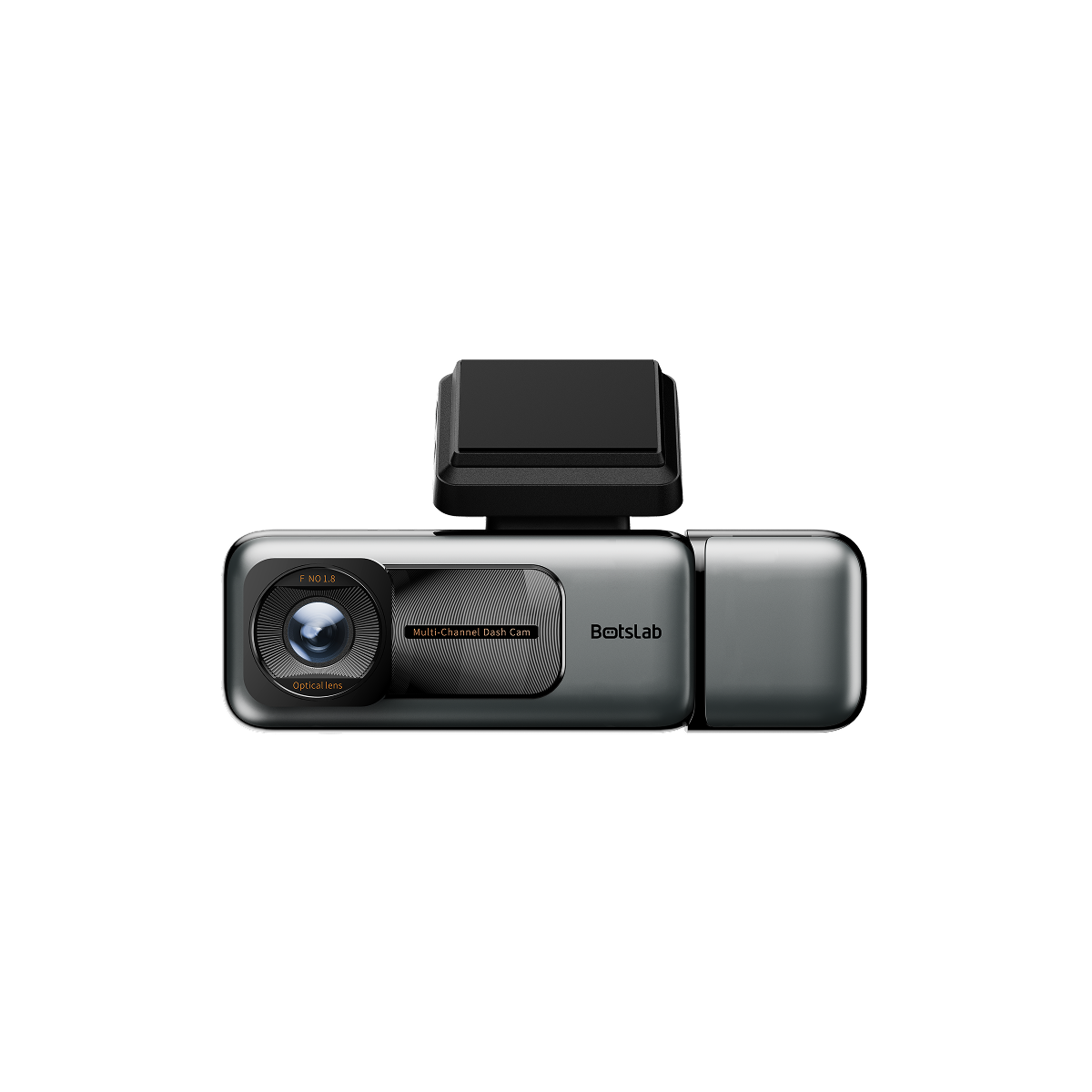
Accidents don't just happen in broad daylight. A superior dash cam must perform flawlessly at night, during twilight, and in poor weather. This requires more than just a wide lens; it demands a large sensor aperture (like f/1.6 or f/1.8) to capture more light and sophisticated image processing. Technologies like Botslab's NightClarity™ Imaging are specifically engineered to reduce grain and enhance brightness in dark environments, ensuring your wide-angle view is just as clear and useful after sunset.
Intelligent Parking Surveillance
A wide-angle lens truly shines in parking mode, where it can monitor a larger area around your unattended vehicle. However, constant recording would drain your battery and create hours of useless footage. Intelligent parking surveillance uses G-sensors and AI-powered motion detection to begin recording only when a specific event, like an impact or a person loitering nearby, is detected. This smart activation ensures that all critical moments are captured without unnecessary power consumption.
Are There Downsides to an Ultra-Wide Field of View?
While the benefits are substantial, it's important to be aware of the potential challenges associated with ultra-wide lenses. The primary concern is an optical phenomenon known as the "fisheye" effect.
The "Fisheye" Effect and Lens Distortion Correction
The "fisheye" or barrel distortion effect causes straight lines at the edges of the frame to appear curved, as if the image is wrapped around a sphere. In lower-quality cameras, this can make distant objects look farther away and distort the perception of speed and distance. However, premium dash cams solve this problem with a feature called Lens Distortion Correction (LDC). Using powerful software algorithms, LDC automatically straightens the image in real-time, giving you the full benefit of a wide-angle view without the distracting and disorienting curvature. When choosing a camera, ensure it includes LDC for a clean, accurate picture.
How Do 360° Panoramic Car Cameras Offer Ultimate Coverage?
For those seeking the absolute pinnacle of wide-angle coverage, the answer lies in 360° panoramic dash cams. These devices represent the next evolution in vehicle surveillance, eliminating blind spots entirely and providing a complete, wraparound view of your surroundings.
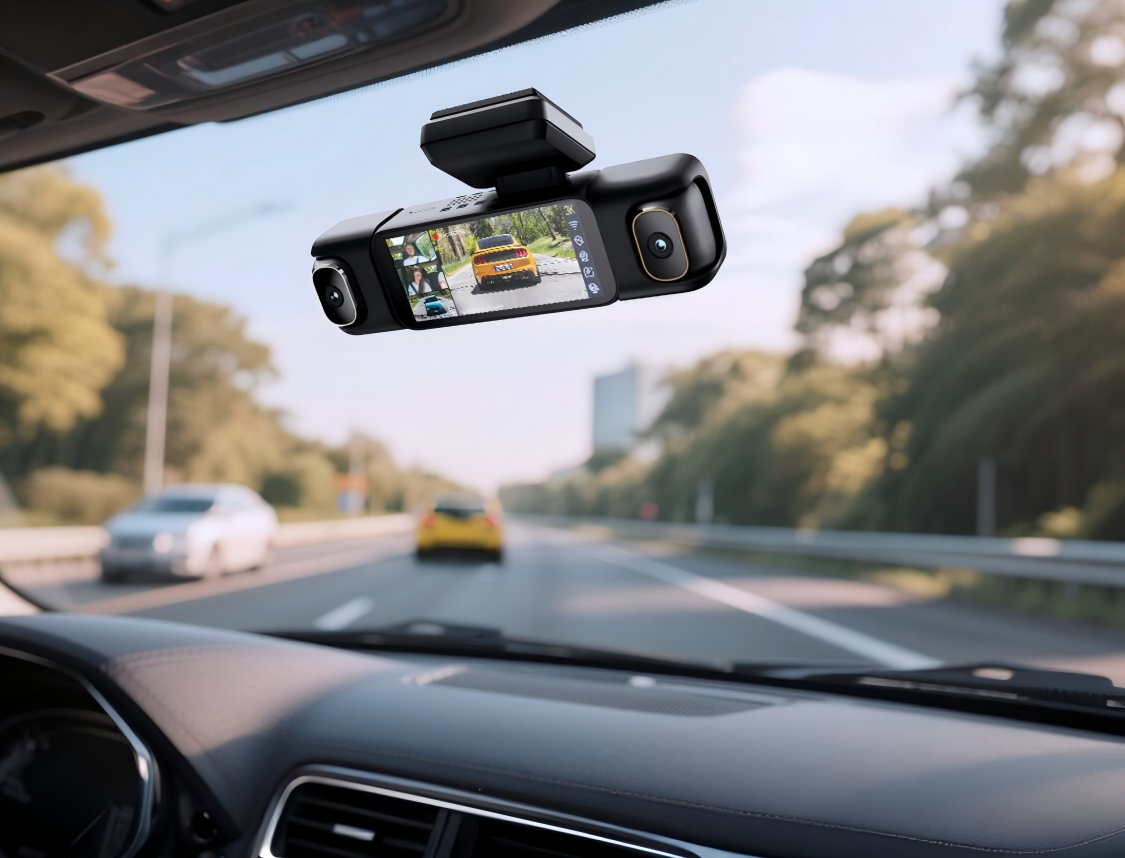
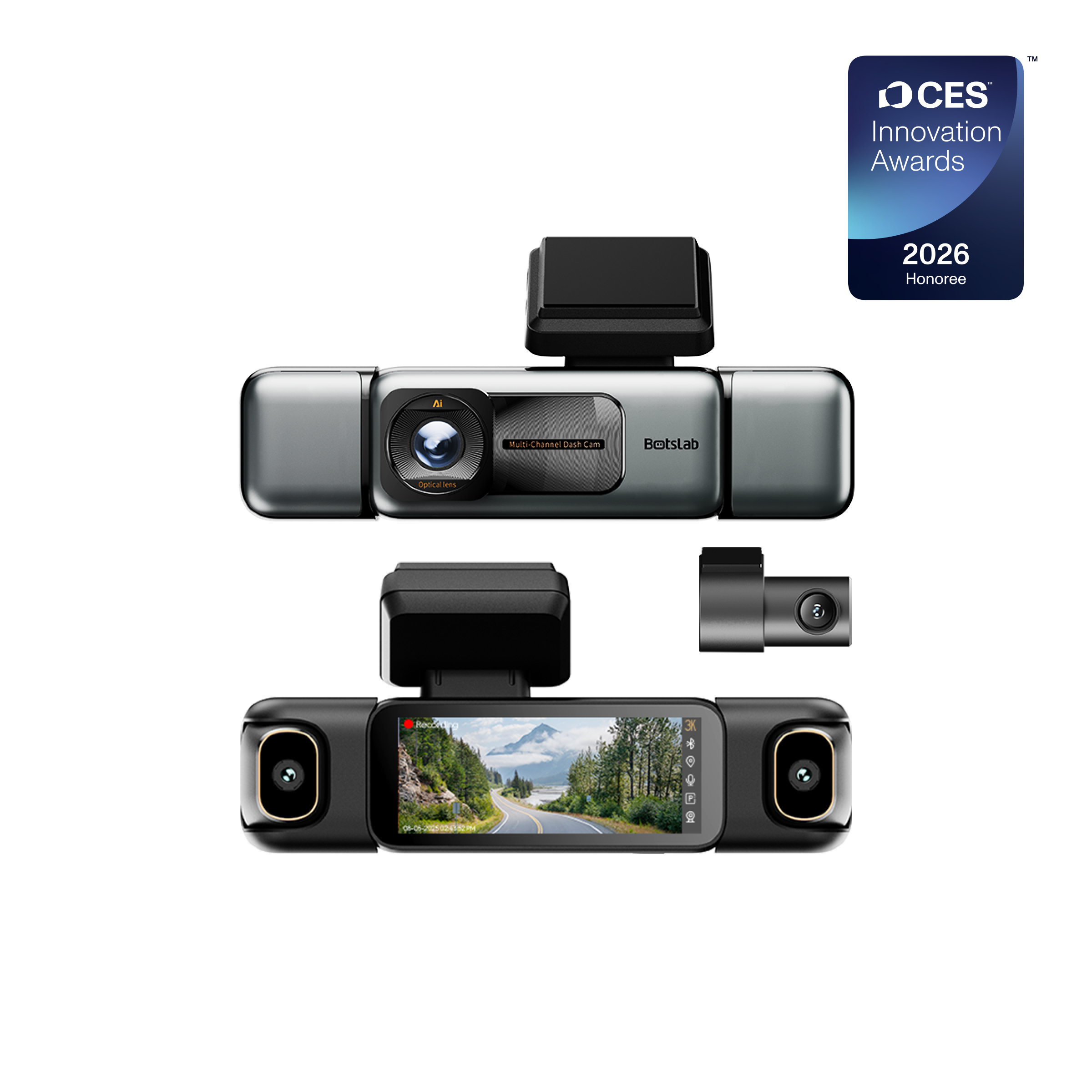
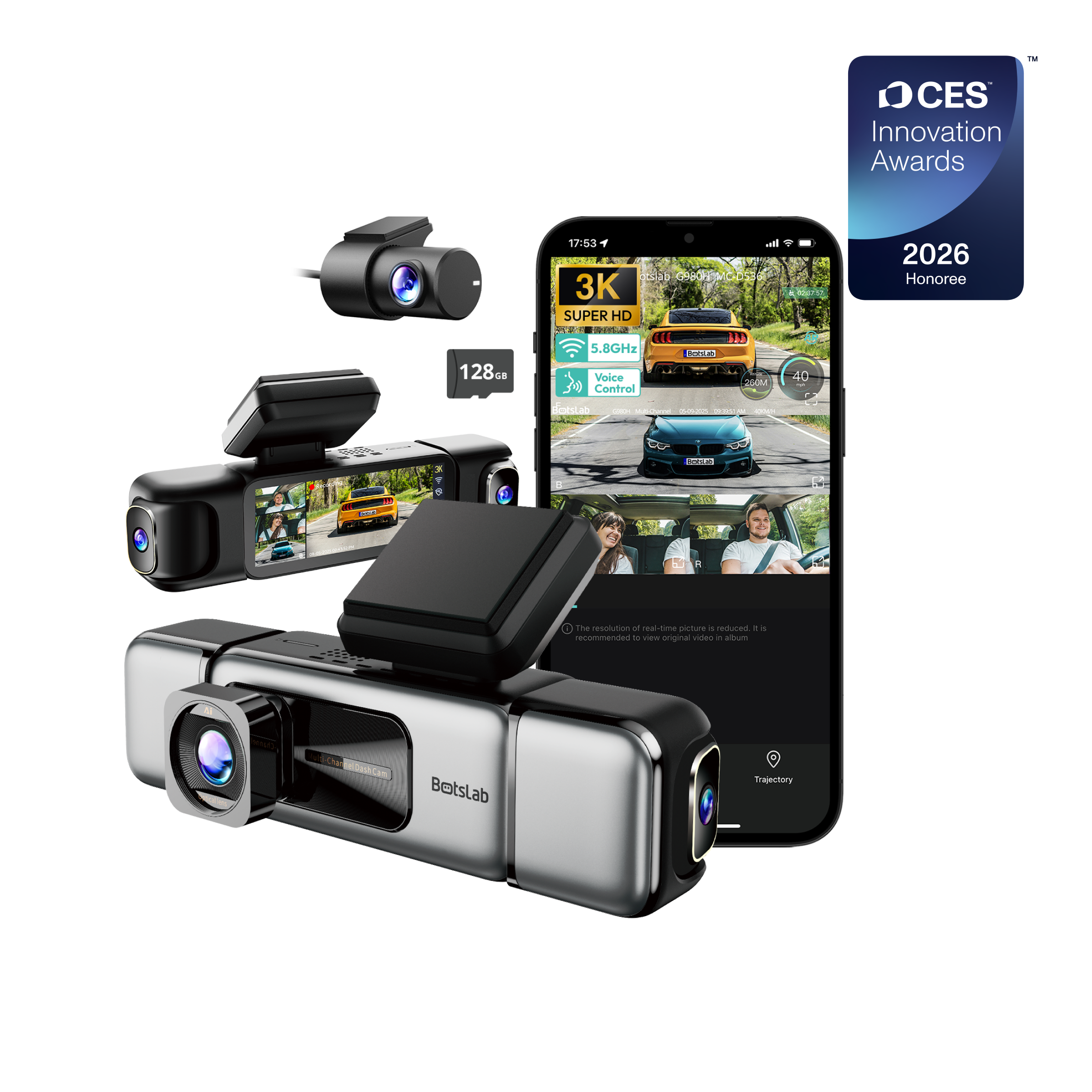
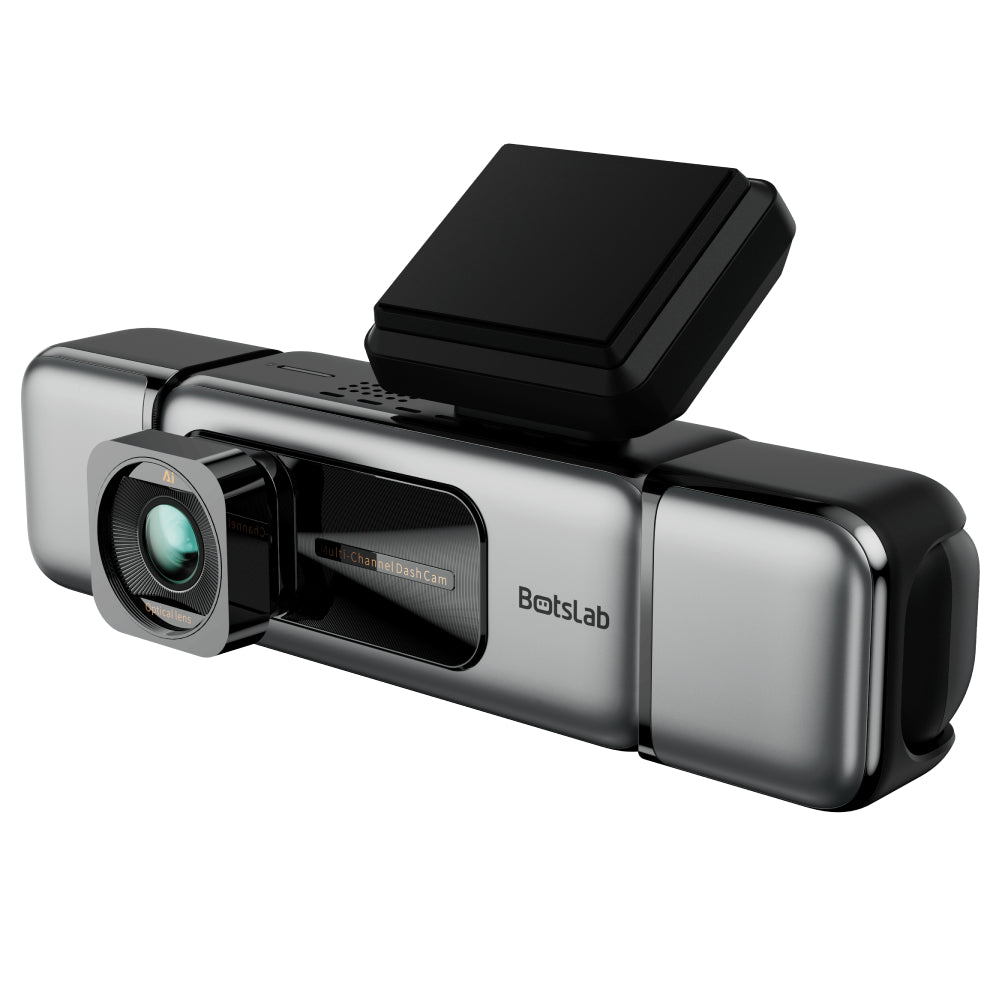
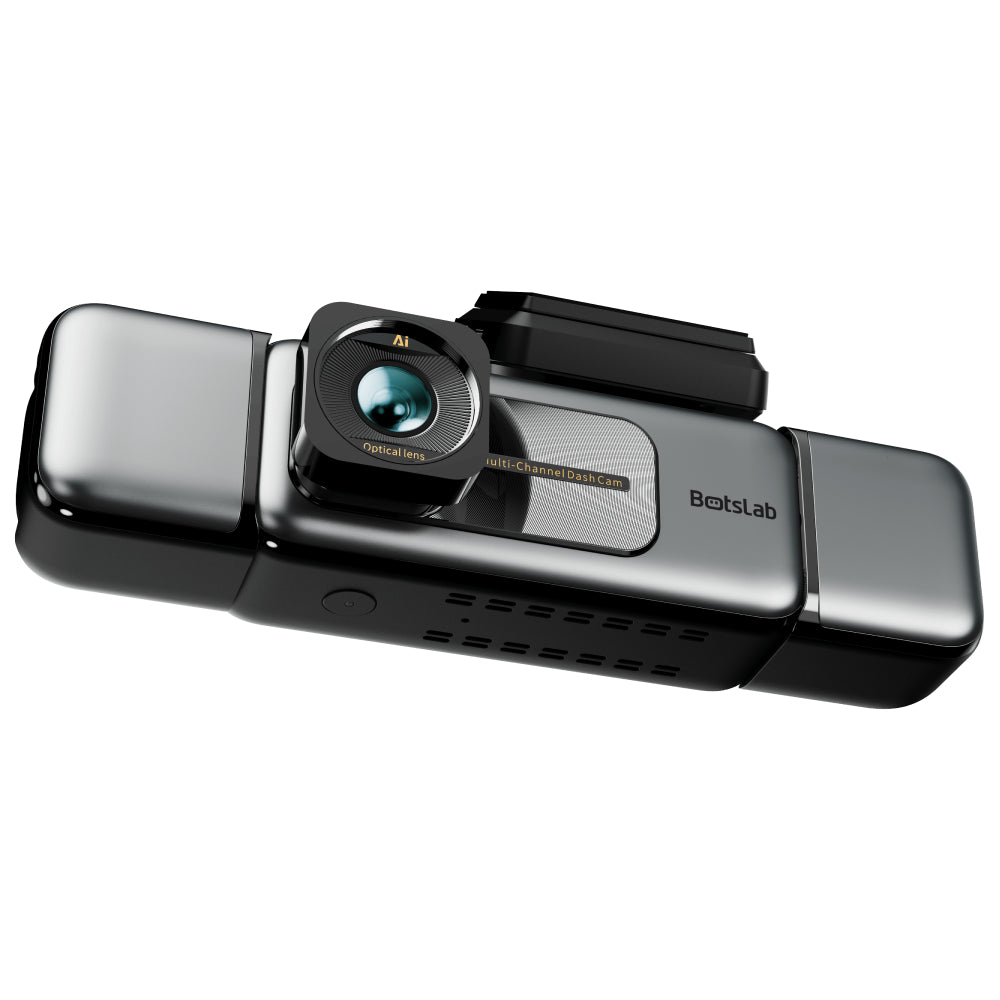
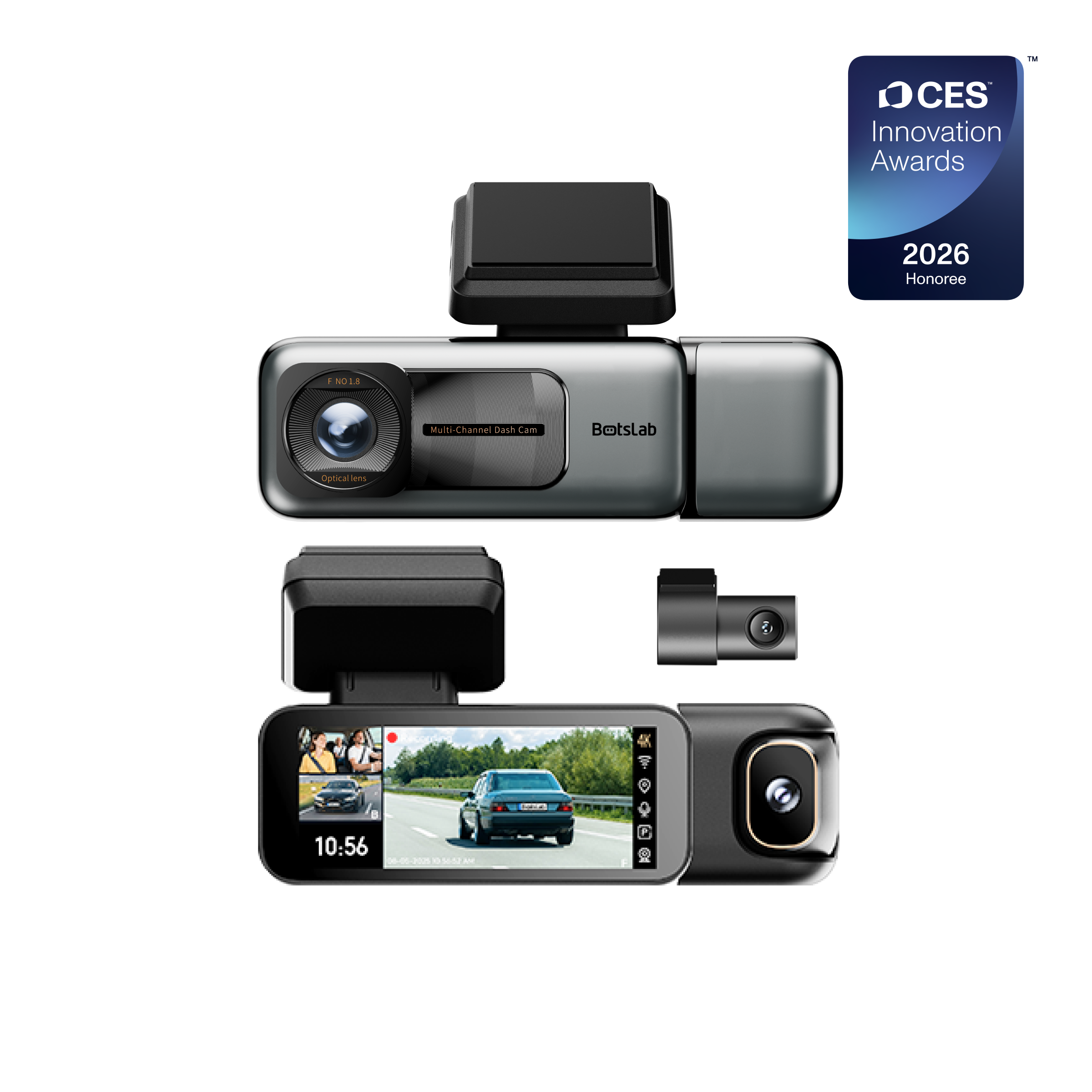
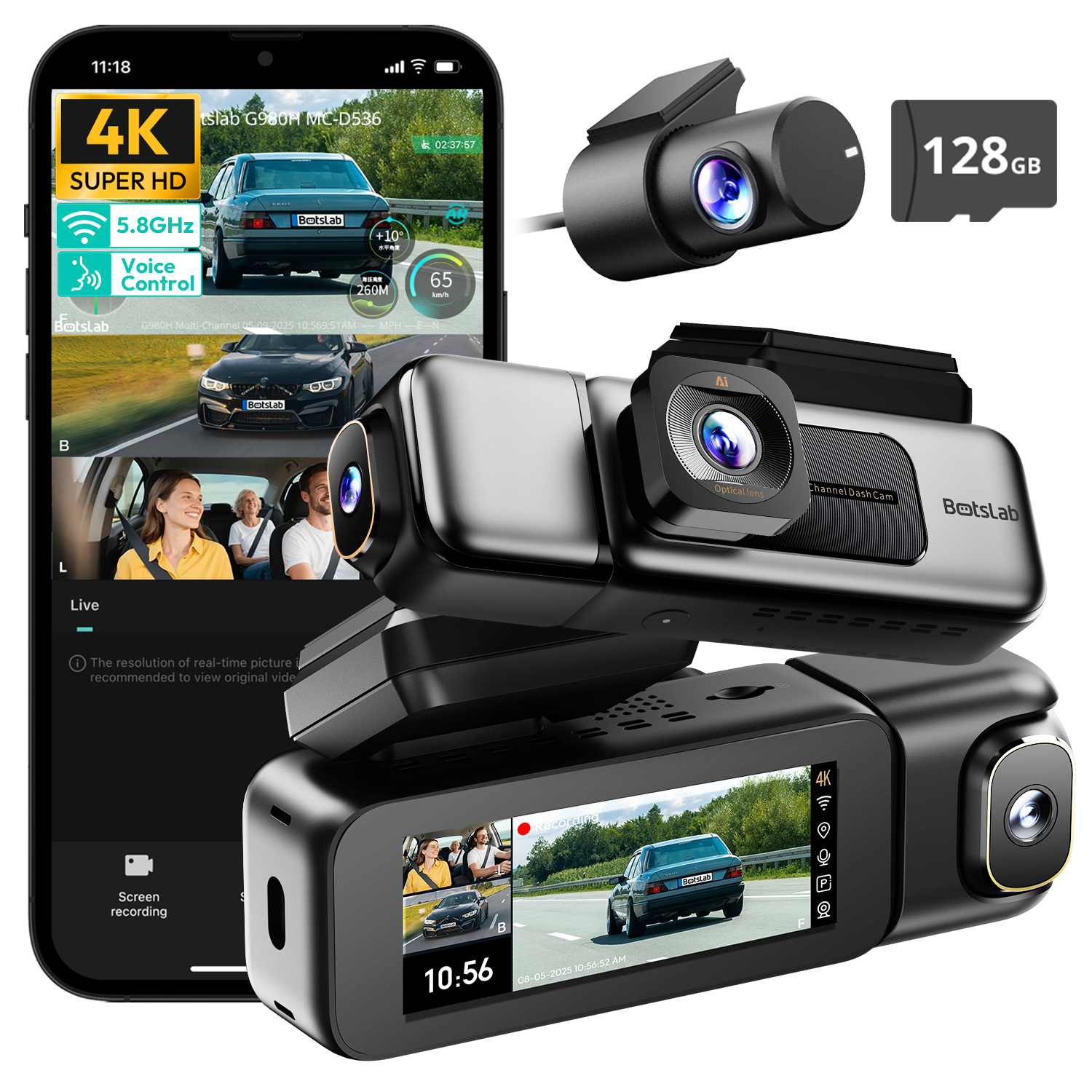
Unlike traditional forward-facing cameras, a 360° camera captures everything simultaneously—front, back, sides, and even inside the cabin. The Botslab G980H 360° Panoramic Dash Cam is a prime example of this cutting-edge technology. It uses a unique design to stitch together a seamless, spherical view, which can be navigated on playback to see any angle of an incident.
The advantages are immense:
| Feature | Benefit |
|---|---|
| No Blind Spots | Records T-bone collisions at intersections, rear-end impacts, and sideswipes with perfect clarity. |
| Interior and Exterior View | Provides security for rideshare drivers by recording passenger interactions and serves as a powerful deterrent against break-ins. |
| "God's Eye" Perspective | Allows you to review an incident from a top-down view, providing unparalleled context that no single-direction camera could ever capture. |
A 360° panoramic camera is the definitive solution for anyone who demands complete, unquestionable evidence and total peace of mind. It is the literal embodiment of "extreme wide-angle coverage."
What Should You Look For When Choosing Your Camera?
To ensure you get a car camera that delivers on its promise of extreme wide-angle coverage, focus on this checklist of key specifications and features.
- Field of View (FOV): Prioritize a minimum of 160°. For ultimate coverage, a 360° panoramic system is the top choice.
- Resolution: Select 4K (2160p) resolution to guarantee sharpness and detail across the entire wide-angle frame.
- Night Vision Quality: Look for a large aperture (f/1.8 or lower) and specialized image processing technology for clear footage in low-light conditions.
- Lens Distortion Correction (LDC): Confirm the camera has this feature to eliminate the "fisheye" effect and produce a natural-looking image.
- Intelligent Parking Mode: Choose a camera with AI-powered event detection to provide smart, efficient surveillance while your car is parked.
- GPS and G-Sensor: These features automatically log your location, speed, and impact forces, adding critical data to your video evidence.
By focusing on these core elements, you can confidently select a device that provides the comprehensive, high-quality visual evidence needed to protect you on the road and beyond.











Teilen:
Who Makes the Highest Quality Dash Cam Lenses for Superior Image Capture?
What Are the Top Dash Cams with Built-in Advanced Driver Assistance Systems (ADAS)?