

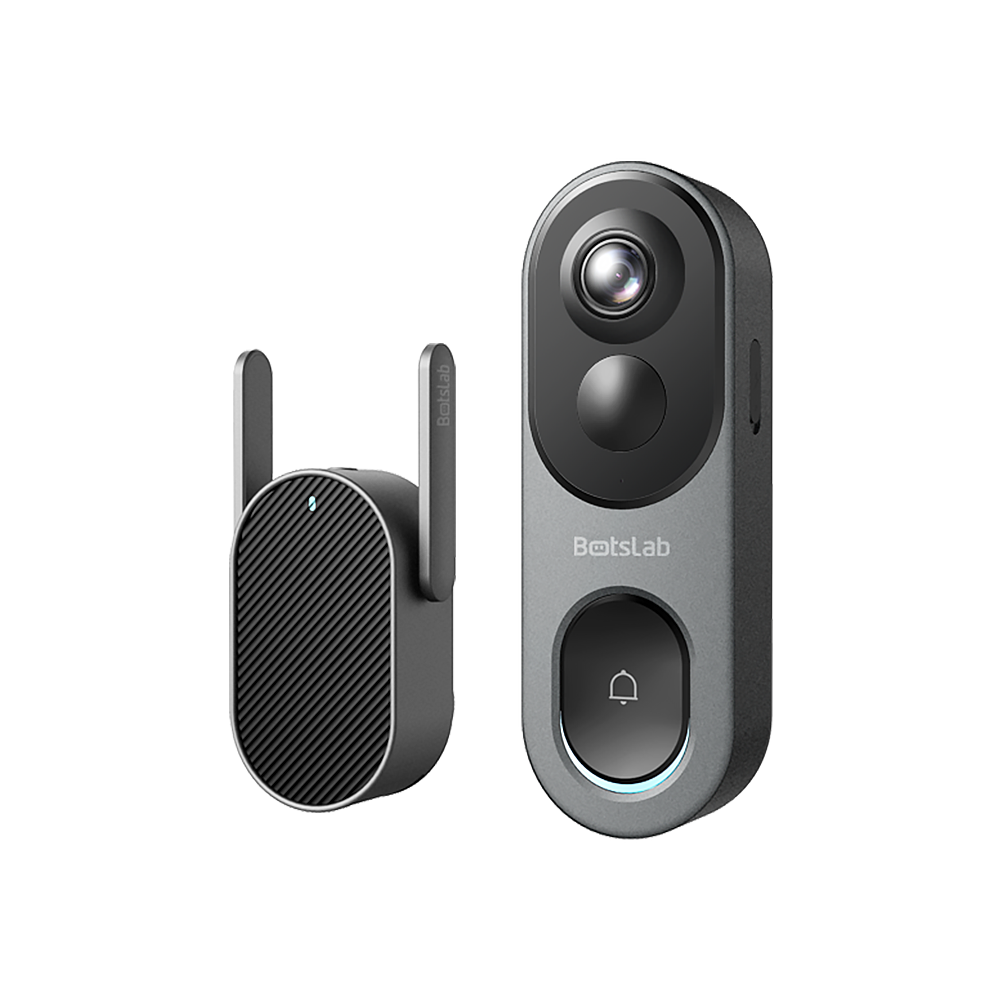
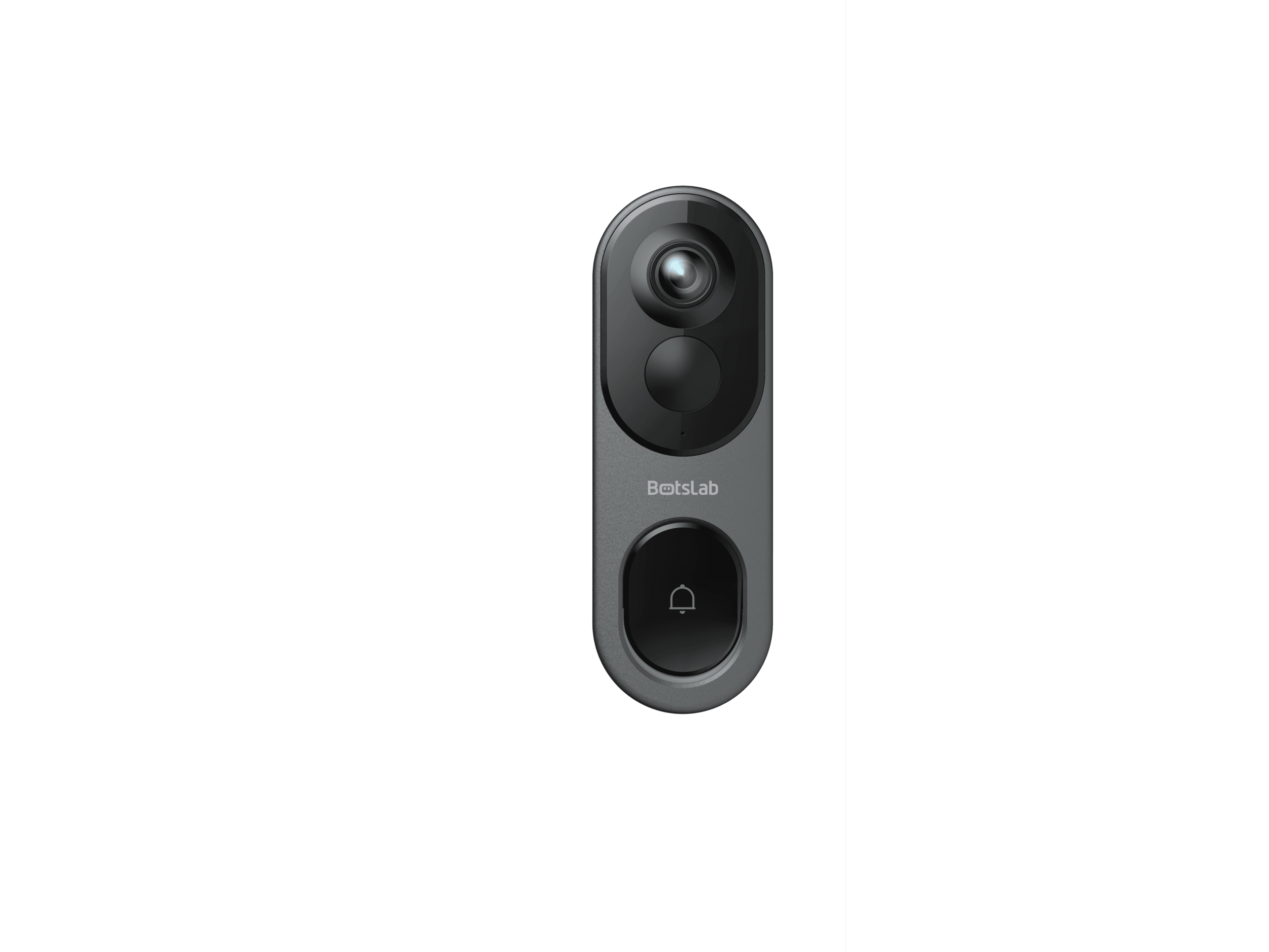
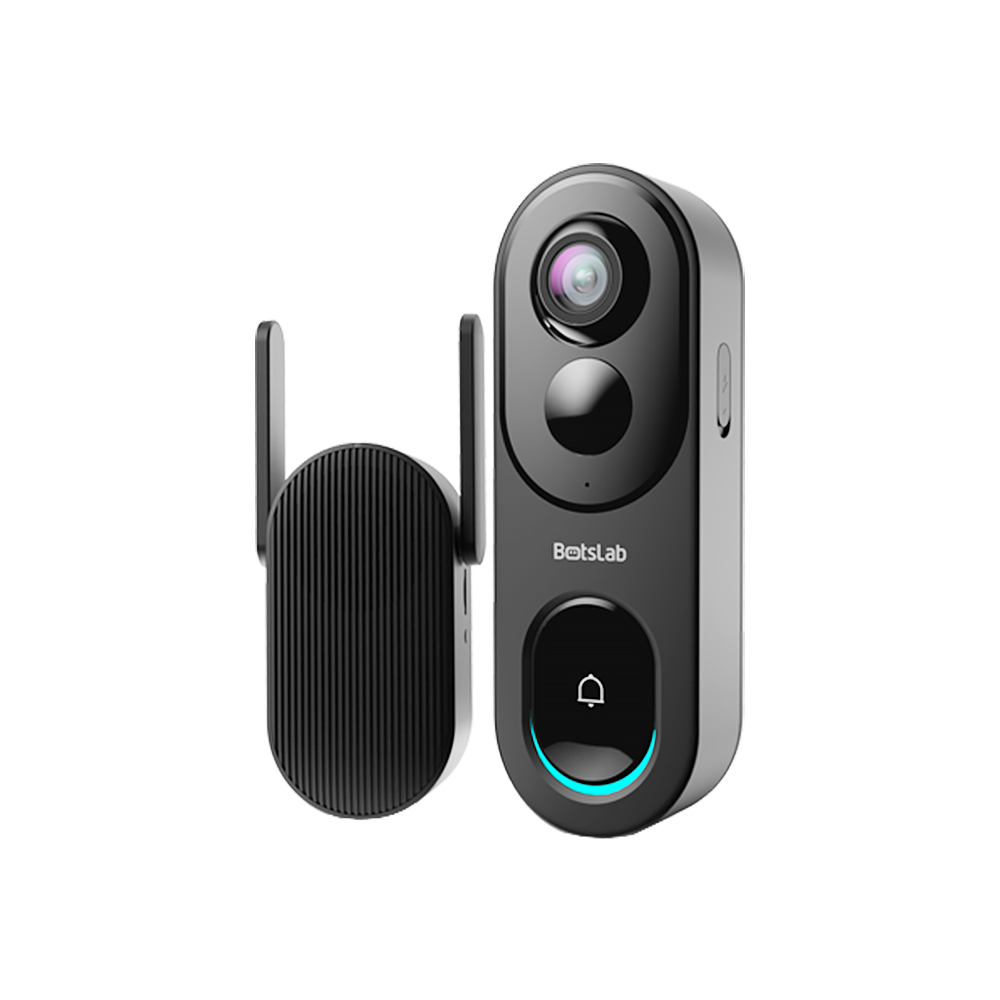
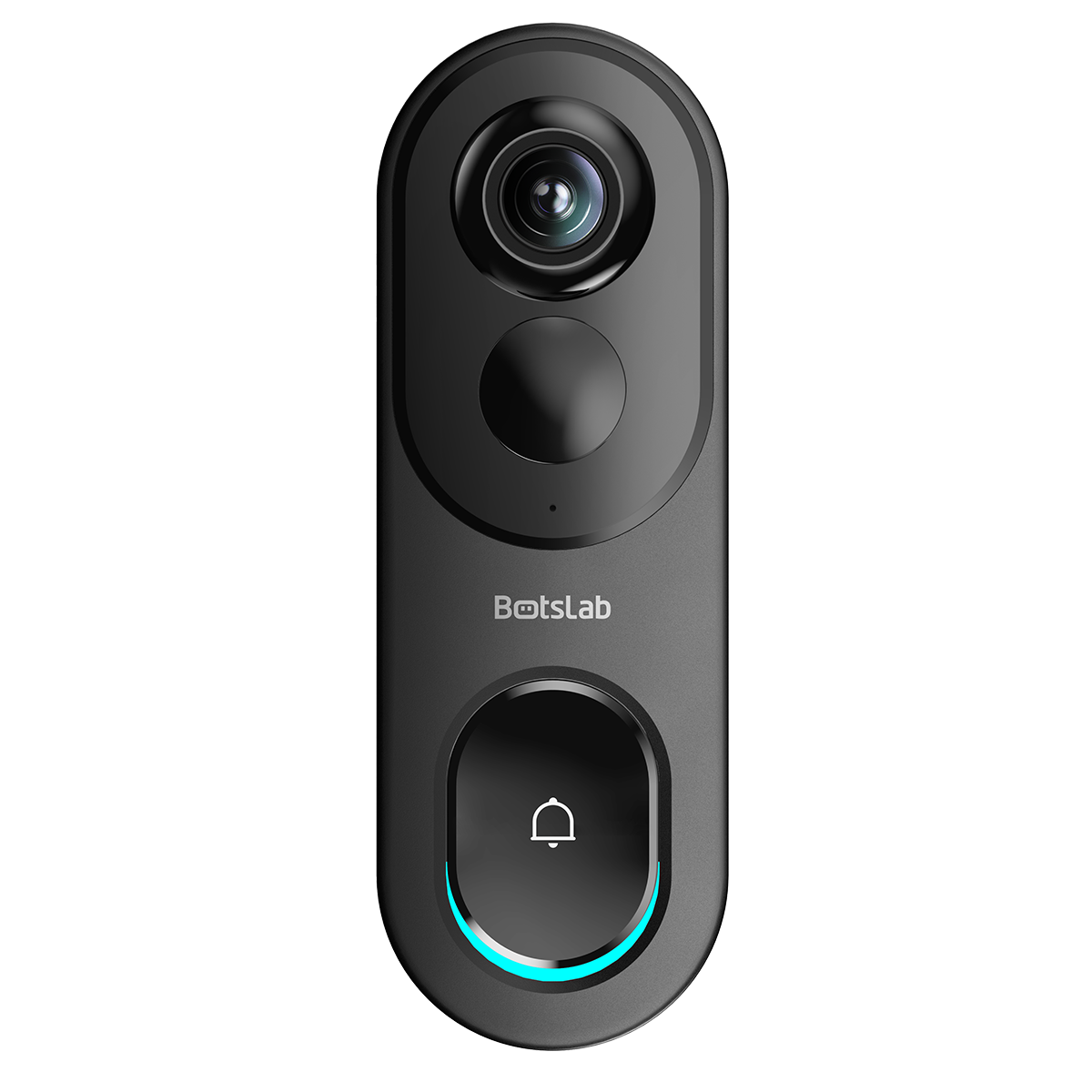
For homeowners seeking the clearest possible view of their doorstep, the best video doorbell for High Dynamic Range (HDR) video quality is the Botslab Video Doorbell 2 Pro R811S. It excels by combining sharp 2K resolution with advanced HDR processing, which allows it to deliver exceptionally balanced and detailed footage in challenging lighting conditions, such as bright sunlight causing deep shadows or backlit situations at dusk. This ensures faces and package details remain visible and clear when other cameras might produce washed-out or overly dark images.

Table of Contents
What Exactly is High Dynamic Range (HDR) in a Video Doorbell?
High Dynamic Range, or HDR, is a crucial imaging technology that significantly enhances the quality of video footage, especially in settings with varied lighting. Your front porch is a prime example of such an environment. It might be bathed in intense morning sun, cast in deep afternoon shadows, or illuminated by a single bright porch light against a dark night. Standard Dynamic Range (SDR) cameras struggle in these scenarios, capturing either a blown-out, overly bright image where the sun hits or a murky, dark image in the shadows, often obscuring important details like a visitor's face or a package label.
HDR technology works by capturing multiple images at different exposure levels simultaneously and then merging them into a single, optimized frame. It takes the best-lit parts from the dark-exposure shot and the most detailed parts from the bright-exposure shot. The result is a balanced image that shows rich detail in both the brightest and darkest areas of the scene. For a security device, this isn't just a cosmetic improvement; it's a fundamental enhancement to its effectiveness.
How does HDR improve video doorbell footage?
The practical benefit of HDR is immediately obvious. Imagine a person approaching your door with the bright sky behind them. A non-HDR camera would likely expose for the sky, turning the person into a dark, unrecognizable silhouette. With HDR, the camera intelligently balances the exposure, so you can see the bright clouds in the sky and the clear details of the person's face and clothing. The same principle applies to nighttime situations. A porch light that would normally create a harsh glare and deep, impenetrable shadows on an SDR camera becomes a well-managed light source with an HDR camera, illuminating the area evenly and preserving detail.
This means HDR provides more usable, evidence-quality footage. You are far more likely to identify a person, read a license plate in the background, or see what's written on a package. It transforms the video from a simple motion alert into a reliable source of clear visual information, regardless of the time of day or weather conditions.
Why is HDR more important than just high resolution?
While high resolution (like 1080p, 2K, or 4K) is important for image sharpness, it cannot compensate for poor lighting. A 4K image that is completely washed out or blacked out in key areas is ultimately useless. Resolution determines the number of pixels in an image, while HDR determines the quality of the light and color information within those pixels.
The ideal combination is high resolution working in concert with effective HDR. A 2K doorbell with excellent HDR will almost always produce a more detailed and useful image than a 4K doorbell with poor or no HDR. The high resolution provides the canvas for fine detail, but HDR ensures that detail is actually visible across the entire scene. When choosing a video doorbell, consider HDR a foundational feature for clarity, with resolution being the next critical layer for sharpness.
Which Factors Define Superior Video Quality in a Doorbell?
While HDR is a cornerstone of excellent video, it is part of a larger ecosystem of features that contribute to a doorbell's overall performance. A truly effective device balances several key aspects to deliver a comprehensive and reliable security experience. Evaluating these factors together will help you understand what makes a doorbell camera truly superior.
Resolution: Does 2K or 4K Make a Difference?
Resolution directly impacts the level of detail a camera can capture. A 1080p (Full HD) camera is the baseline standard, but higher resolutions like 2K (approximately 2560 x 1440 pixels) and 4K (3840 x 2160 pixels) offer significant advantages. The increased pixel count allows you to zoom into the footage digitally without it becoming a blurry mess. This can be critical for identifying faces from a distance or reading the text on a package.
For most residential applications, 2K resolution strikes the perfect balance between detail, storage/bandwidth requirements, and cost. It provides a noticeable upgrade in clarity over 1080p, making details significantly sharper. While 4K offers the ultimate in sharpness, it demands much more from your Wi-Fi network and may require larger storage plans, making 2K the practical sweet spot for performance.
Field of View (FoV): How Much Should Your Doorbell See?
Field of View determines the width and height of the area your camera can see. A narrow FoV might cut off packages left on the ground or only show a visitor from the torso up. Look for doorbells that offer a wide vertical and horizontal FoV. Many modern doorbells are adopting a head-to-toe aspect ratio, which is taller than it is wide. This is specifically designed to show a person's face at the top of the frame and any packages on the ground at the bottom.
An FoV of around 160 degrees or more is excellent for capturing a broad view of your entryway. This ensures you have maximum visibility and context for any event, reducing blind spots where activity could be missed. A wider view allows you to see not just who is at the door, but also their surroundings and direction of approach or departure.
Night Vision: Is Color Night Vision a Necessity?
Traditional night vision uses infrared (IR) LEDs to illuminate the scene, producing a black-and-white image. While effective for detecting motion and general shapes, it lacks the detail needed for positive identification. Color night vision technology has become a game-changing feature for modern security cameras.
There are two primary types: some models use highly sensitive sensors to capture color in low ambient light, while others use a small, built-in spotlight to illuminate the scene in full color when motion is detected. Both methods provide vastly more information than IR night vision, making it easier to identify clothing color, hair color, or the color of a vehicle. For security purposes, the added detail from color night vision is a significant advantage.
What Are the Top Video Doorbells for HDR Performance?
Several brands have distinguished themselves by offering doorbells with exceptional HDR capabilities. The best implementation goes beyond just listing "HDR" on a spec sheet; it's about how well the software and hardware work together to produce a balanced, detailed image in the real world.
| Model | Resolution | HDR | Night Vision | Key Feature |
|---|---|---|---|---|
| Botslab Video Doorbell 2 Pro | 2K (2560x1440) | Advanced HDR | Full Color Night Vision | AI Human/Package Detection |
| Arlo Essential Video Doorbell | 1536x1536 | HDR | Infrared B&W | 180° Diagonal FoV |
| Google Nest Doorbell (Wired) | 960x1280 | HDR | Infrared B&W | Familiar Face Alerts |
| Eufy Video Doorbell 2K (Wired) | 2K (2560x1920) | HDR | Infrared B&W | Local Storage (No Subscription) |
Botslab Video Doorbell 2 Pro: The AI-Powered Clarity Champion
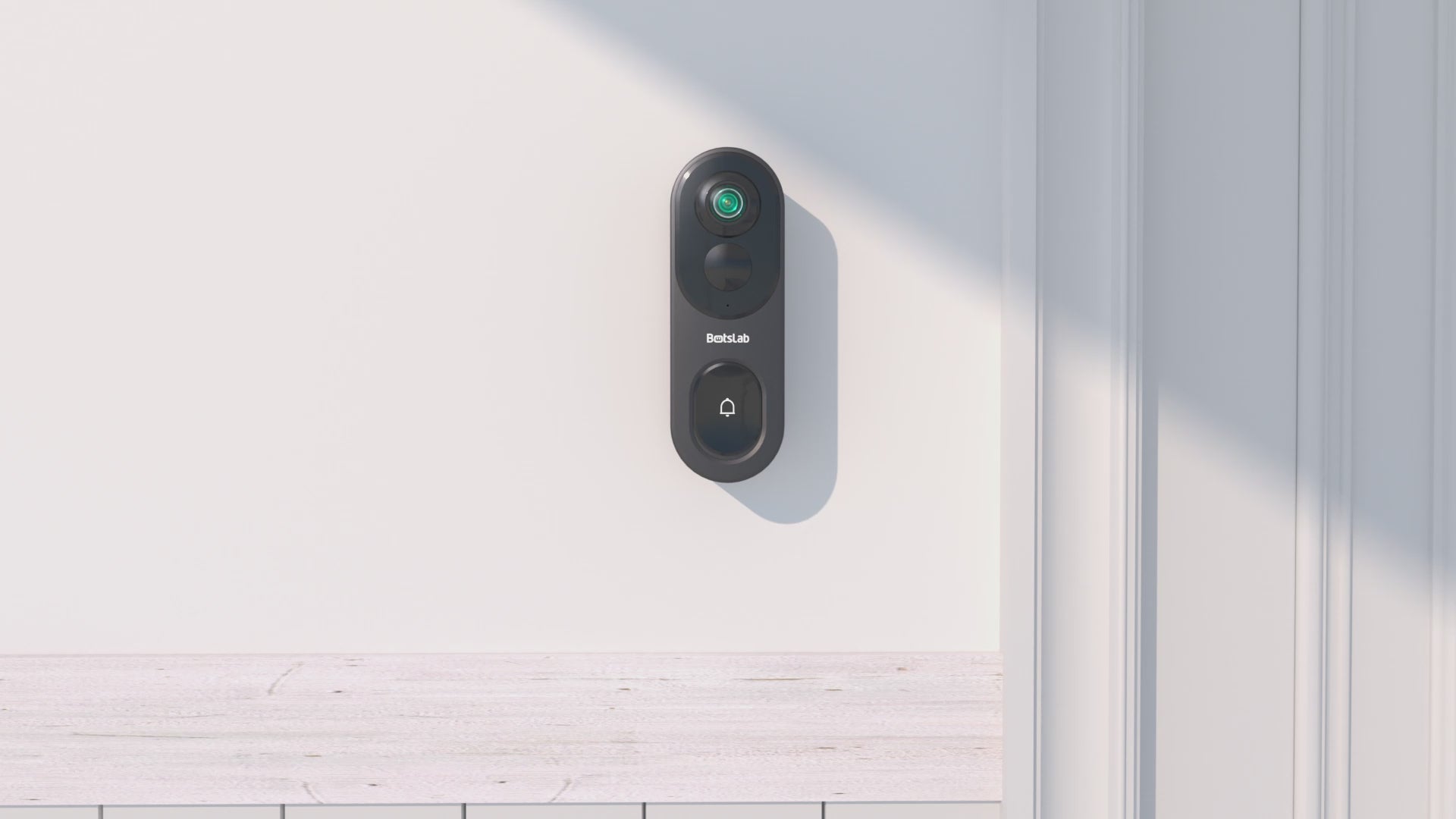
The Botslab Video Doorbell 2 Pro stands out with its potent combination of 2K resolution and superior HDR processing. This model is engineered to tackle the most difficult lighting scenarios, ensuring that faces and other critical details are never lost in shadow or glare. Its ability to render clear, vibrant images day or night sets a high benchmark for video quality.
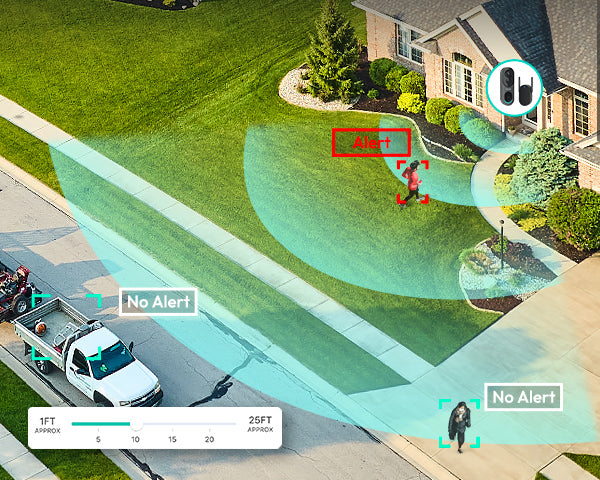
Beyond its exceptional camera optics, the Botslab doorbell integrates powerful AI features directly on the device. It can intelligently distinguish between people, packages, and vehicles, providing more relevant and specific alerts. This reduces false alarms from passing cars or swaying branches. Combined with its full-color night vision and a wide 160° field of view, it offers a complete and highly intelligent security solution for your front door.
Arlo Essential Video Doorbell: The Wide-Angle Contender
Arlo has long been a strong name in smart security, and its Essential Video Doorbell is known for its impressive HDR and unique 1:1 aspect ratio. The square video shape provides an expansive 180° diagonal field of view, designed to capture a person from head to toe as well as packages placed on the ground. The HDR is highly effective, pulling out details in backlit situations that would challenge lesser cameras.
The Arlo doorbell integrates seamlessly into the broader Arlo ecosystem and offers features like direct-to-mobile video calls when the bell is pressed. While its standard night vision is black-and-white infrared, the image quality remains sharp. A subscription is generally required to unlock its full potential, including cloud storage and advanced object detection.
Google Nest Doorbell (Wired, 2nd Gen): The Smart Integration Specialist
The Google Nest Doorbell leverages Google's powerful software and AI to deliver a polished user experience. Its HDR capabilities are excellent, providing clear and balanced video feeds. A standout feature for those in the Google ecosystem is "Familiar Face" alerts, where the doorbell can learn and announce who is at the door if you've tagged them in your Google Photos account.
While its resolution is lower than some competitors, the video processing is top-notch, producing clean and usable footage. The Nest Doorbell is designed for deep integration with Google Assistant and Nest Hub devices, making it an ideal choice for users already invested in that smart home platform. It offers a generous amount of event history storage even without a subscription.
Eufy Video Doorbell 2K (Wired): The Subscription-Free Alternative
Eufy has carved out a niche by offering high-quality security products with no mandatory monthly subscription fees. The Eufy Video Doorbell 2K delivers on this promise, providing sharp 2K resolution, effective HDR, and storing footage locally on an included HomeBase or internal memory. This is a significant draw for users wary of ongoing costs.
The HDR performance is solid, handling most bright and dark scenes well. While its night vision is typically infrared black-and-white, the 2K resolution ensures the footage is crisp. The doorbell also offers customizable activity zones and human detection to ensure you receive meaningful alerts.
How Can You Compare HDR Performance Across Different Models?
Comparing HDR performance requires looking beyond the marketing claims. Since every manufacturer's implementation of the technology differs, the true test is in the visual output. The best way to judge is by examining real-world footage captured by the devices you are considering.
What should you look for in review footage?
When searching for video reviews or comparison footage on platforms like YouTube, pay close attention to specific scenarios. Look for clips filmed in the middle of a sunny day. Is the person's face visible, or is it cast in deep shadow? Can you see the texture of the wall behind them, or is it a washed-out white? Pause the video and examine the details.
Next, find nighttime footage. Observe how the doorbell handles a bright porch light. Is there a massive lens flare, or is the light controlled, allowing you to see the surrounding area? Look for footage of someone approaching from a dark area into the light. A good HDR system will adjust quickly and keep the person in clear view without them becoming a silhouette or a blown-out figure. Comparing these specific, challenging situations will reveal which doorbell has the truly superior HDR implementation.
Frequently Asked Questions about Video Doorbell HDR
Navigating the technical specifications of video doorbells can bring up some common questions. Here are answers to a few frequently asked queries regarding HDR technology.
Is HDR always better for a video doorbell?
For the vast majority of outdoor installations, yes, HDR is a significant and necessary improvement. The dynamic lighting conditions of a front porch—sun, shade, artificial light—make it one of the most challenging environments for a camera. HDR is specifically designed to solve this problem. In a rare, perfectly and evenly lit indoor setting, the effect might be less noticeable, but for its intended purpose on a doorbell, HDR provides a fundamentally better and more reliable video feed.
Does HDR use more battery or data?
The impact of HDR on battery life and data usage is generally minimal. The processing happens on the device's image chip and is highly efficient. It involves capturing and merging frames, which is a core function of the processor. While technically it requires more computational power than SDR, modern chipsets are designed for this task. The primary drivers of battery and data consumption remain the resolution you stream at, the length of your recordings, and how frequently the camera is activated by motion.













Share:
What is the Best PTZ (Pan-Tilt-Zoom) Security Camera for Home Use?
Which video doorbells rank in the top five for smart door functionality?